For users wrestling with Ryzen 9000 CPUs on AM5 motherboards, ASRock’s latest BIOS update arrives as a much-needed lifeline. Version 4.10, built on AMD’s AGESA 1.3.0.0a firmware, directly tackles the boot failures and memory compatibility quirks that have plagued early adopters of Zen 5 processors. Unlike the earlier beta release, this version is fully stable, offering a rare moment of clarity for those who’ve faced unpredictable system behavior after upgrading to the latest Ryzen chips.
The update isn’t just a patch—it’s a recognition of the growing pains inherent in AMD’s AM5 platform. Ryzen 9000 CPUs, despite their performance leaps, have exposed gaps in motherboard firmware, particularly around memory support. Users reporting issues with 128 GB configurations or high-speed DDR5 kits now have a more reliable foundation, though ASRock emphasizes that further refinements are on the horizon.
The list of updated motherboards reflects ASRock’s broad coverage of the AM5 ecosystem
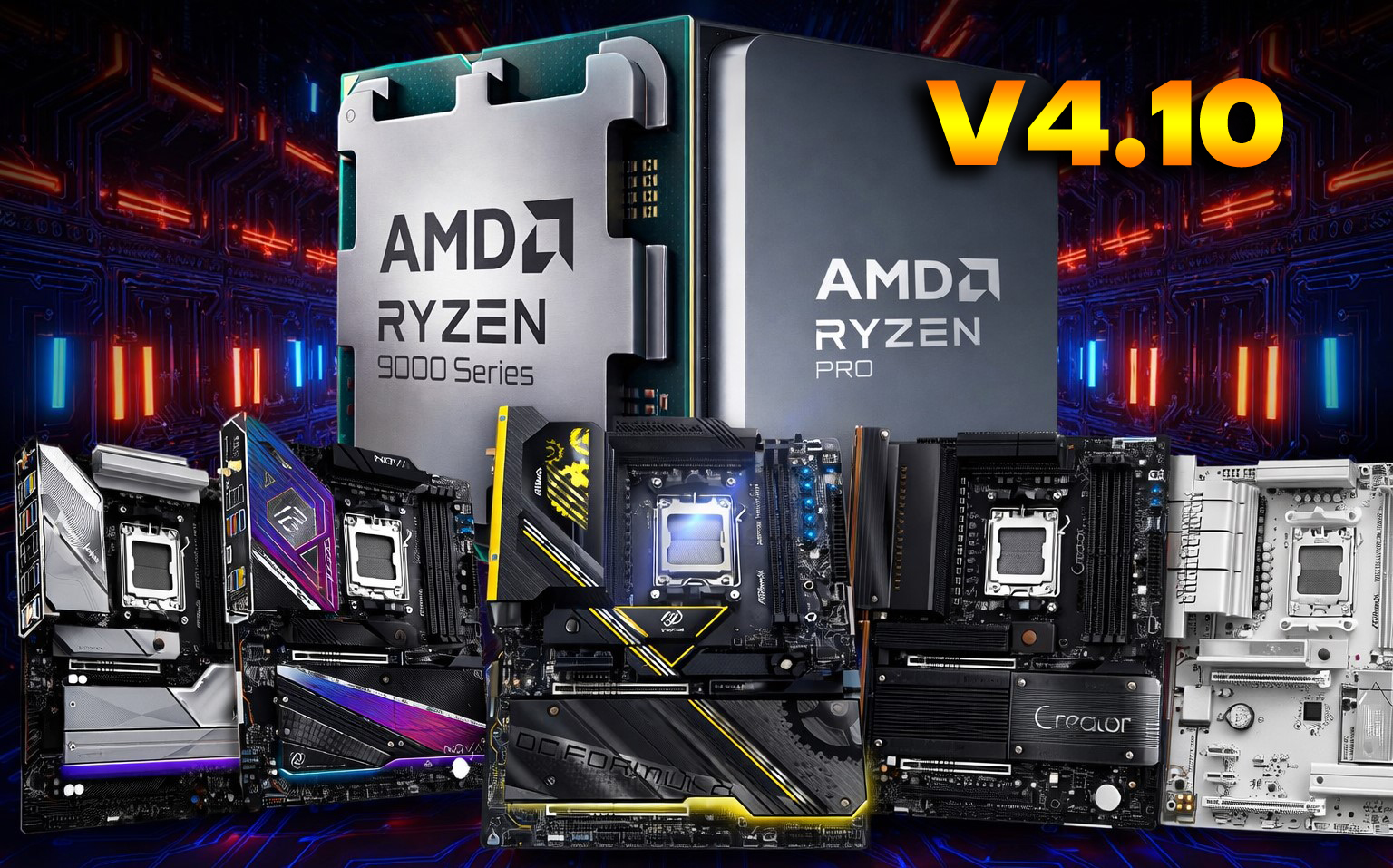
- X870: X870 Pro-A WiFi
- B850: Challenger WiFi, Challenger WiFi White, Pro RS, Pro RS WiFi, Pro-A, Pro-A WiFi, M Pro RS, M Pro RS WiFi, M Pro RS WiFi White, M Pro-A, M Pro-A WiFi, M-X WiFi, M-X WiFi R2.0
- B650: M Pro RS, M Pro RS WiFi, M Pro X3D, M Pro X3D WiFi, M-H/M.2+, M-H/M.2+ WiFi
- A620: AM Pro RS, AM Pro RS WiFi, AM Pro-A, AM Pro-A WiFi, M-HDV/M.2+
Yet the update also underscores the uneven rollout of stability across AMD’s AM5 lineup. While mainstream B650 and B850 boards now benefit from the fix, high-end X870 and X870E models remain in limbo. ASRock has hinted that these will follow in the coming weeks, but the delay raises questions about whether AMD’s latest processors are truly ready for power users—especially those pushing 128 GB of RAM or extreme overclocking scenarios.
The broader implications for Ryzen 9000 adoption are still unfolding. Early reports suggest RMA rates haven’t spiked dramatically compared to the Ryzen 7000 series, but the boot issues have created friction for enthusiasts and content creators who demand flawless hardware. ASRock’s update is a step forward, but it’s clear that the AM5 ecosystem is still in its early stages of maturation. For now, users with affected motherboards should prioritize the BIOS update—but should also brace for potential follow-ups as AMD and manufacturers refine support for the next generation of Zen 5 processors.