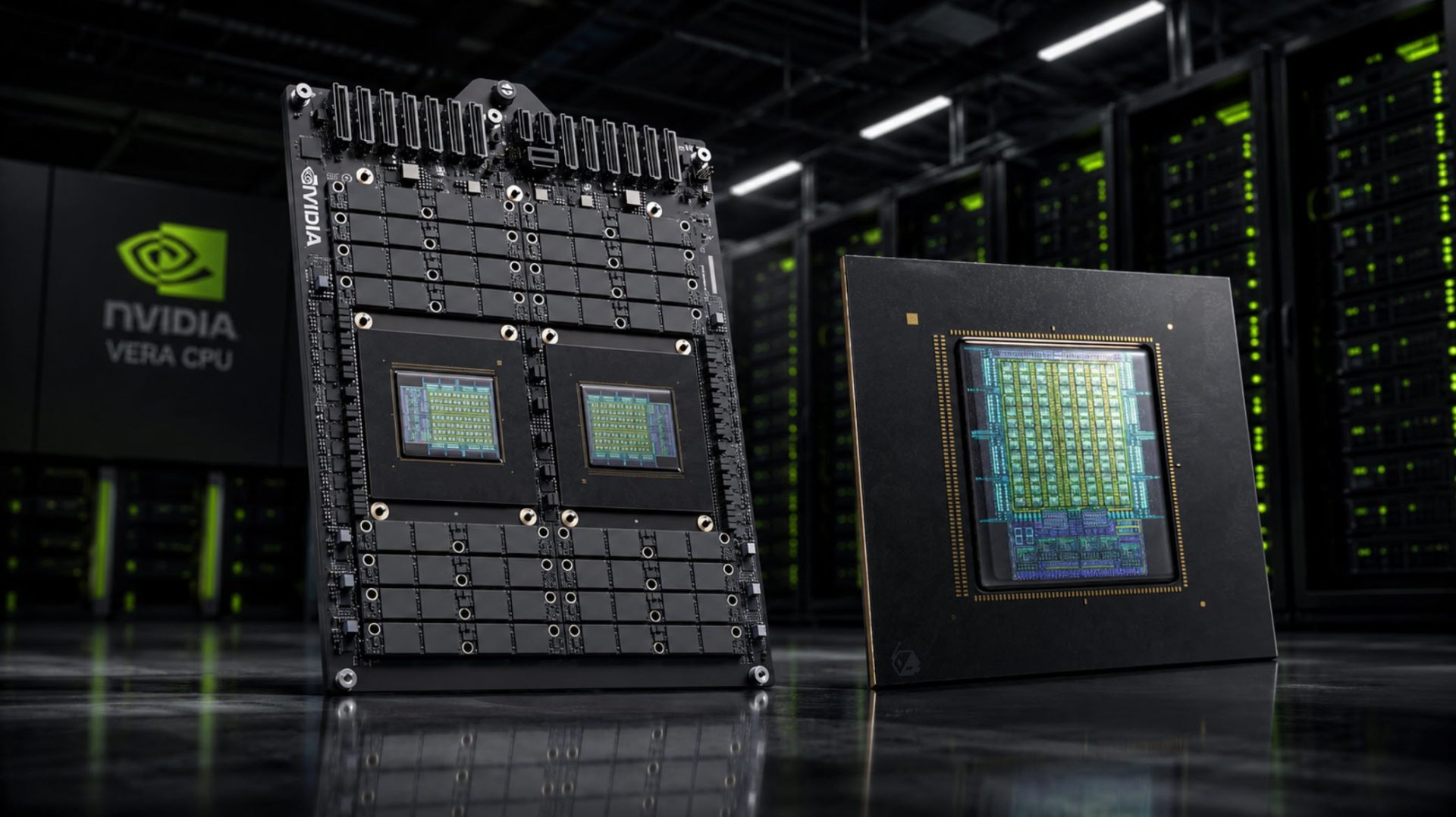
ARM’s strategy has always been about patience. While x86 held the high ground in desktops and servers, ARM carved out its empire in mobile devices, where power efficiency was king. Now, that same architecture is making its move on a far more contested battleground: AI-driven workloads. The question isn’t whether it will succeed—it’s how, and at what cost.
The latest chapter in this story is the emergence of ARM-based CPUs designed to handle tasks once reserved for x86’s heavy hitters. These chips aren’t just faster; they’re redefining what’s possible when you strip away legacy constraints. But the path isn’t without its hurdles. Performance gains come with tradeoffs, and the industry is still figuring out whether those tradeoffs are worth making.
What’s clear is that ARM has stopped waiting for x86 to invite it in. The shift from mobile to AI is happening now, but the full picture—how much of the market will flip, when, and under what conditions—is still taking shape.
The timeline reads like a slow burn: mobile first, then embedded systems, then cloud, and finally, the most challenging frontier of all—general-purpose computing. Each step required ARM to prove it could do more than just run Android. Now, with AI workloads pushing boundaries in power efficiency and parallel processing, the stakes are higher than ever.
Key specs for these new chips include

- Core Architecture: ARM v9 or later, optimized for AI acceleration
- Performance: Up to 12 cores, with clock speeds reaching 3.5 GHz in some configurations
- Memory Support: DDR5 and LPDDR5X, with bandwidth up to 80 GB/s
- AI Acceleration: Dedicated NPU (Neural Processing Unit) for machine learning tasks
- Thermal Design Power (TDP): Ranges from 15W to 65W, depending on use case
The real-world meaning of these specs is a mix of promise and uncertainty. On one hand, the NPU integration means ARM chips can handle AI tasks with far less power than traditional x86 processors—a critical advantage in data centers where energy costs are a major concern. On the other, the lack of full backward compatibility with existing x86 software could slow adoption unless cloud-based solutions bridge that gap effectively.
ARM’s roadmap isn’t just about hardware; it’s about rethinking how software and hardware coexist in an AI-first world. The company has been quietly building partnerships to ensure its chips can run the full stack of enterprise applications, but the transition won’t happen overnight. For power users, this means a gradual shift—one where performance is no longer the only metric that matters.
What’s next? Availability and pricing are still under wraps, but industry whispers suggest these chips will target niche markets first before making a broader push. The timeline for mainstream adoption remains uncertain, but one thing is clear: ARM isn’t just chasing x86 anymore. It’s setting its own rules for what comes after.