Apple’s next generation of MacBooks is expected to feature touchscreen displays, marking a significant shift from its historical stance on laptop input methods. This development comes decades after other manufacturers integrated touch into their devices, suggesting a practical acknowledgment of user needs rather than a groundbreaking innovation.
The inclusion of touchscreens in MacBooks would bring Apple’s laptops more in line with Windows devices, which have long offered this functionality. While Steve Jobs was known for his skepticism about laptop touch interfaces—famous for his about 'gorilla arms'—the reality is that touchscreens are used sporadically rather than as a primary input method.
- Display: Touchscreen
- Chip: Apple Silicon (estimated)
- RAM: 8GB–32GB LPDDR5X
- Storage: 128GB–2TB SSD
- Power: 67W USB-C PD
- Ports: USB-C (Thunderbolt 4)
The new MacBooks are likely to retain Apple’s signature design language while incorporating touch functionality for tasks like monitor orientation adjustments or quick scrolling. This approach mirrors the company’s past integration of touch technology in iPhones and iPads, where it excelled in refining rather than pioneering the concept.
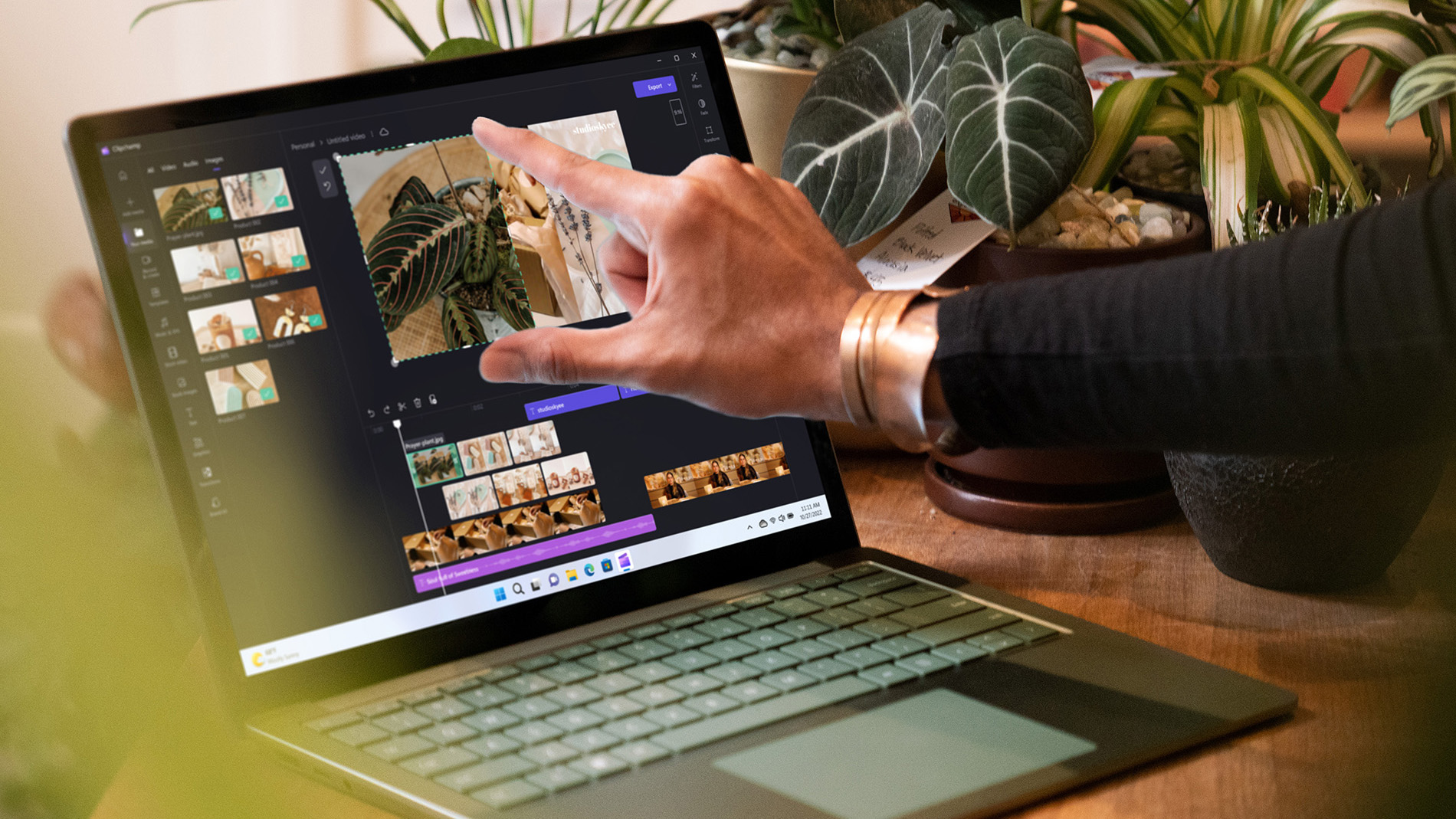
Apple’s history with touch interfaces is complex: it introduced the first true touchpad in 1994 and pioneered haptic feedback in the Apple Watch and early iPhones. Yet, its reluctance to adopt touchscreens on laptops until now suggests a pragmatic shift rather than a radical departure from tradition.
While touchscreens may not revolutionize laptop use, their inclusion in MacBooks could address specific user workflows, such as multi-monitor setups or quick navigation. This move reflects Apple’s tendency to refine existing technologies rather than lead from the front—a pattern seen in its approach to iPhones and iPads.
Availability details are not yet confirmed, but industry reports suggest a release later this year, aligning with Apple’s typical product launch cycle.