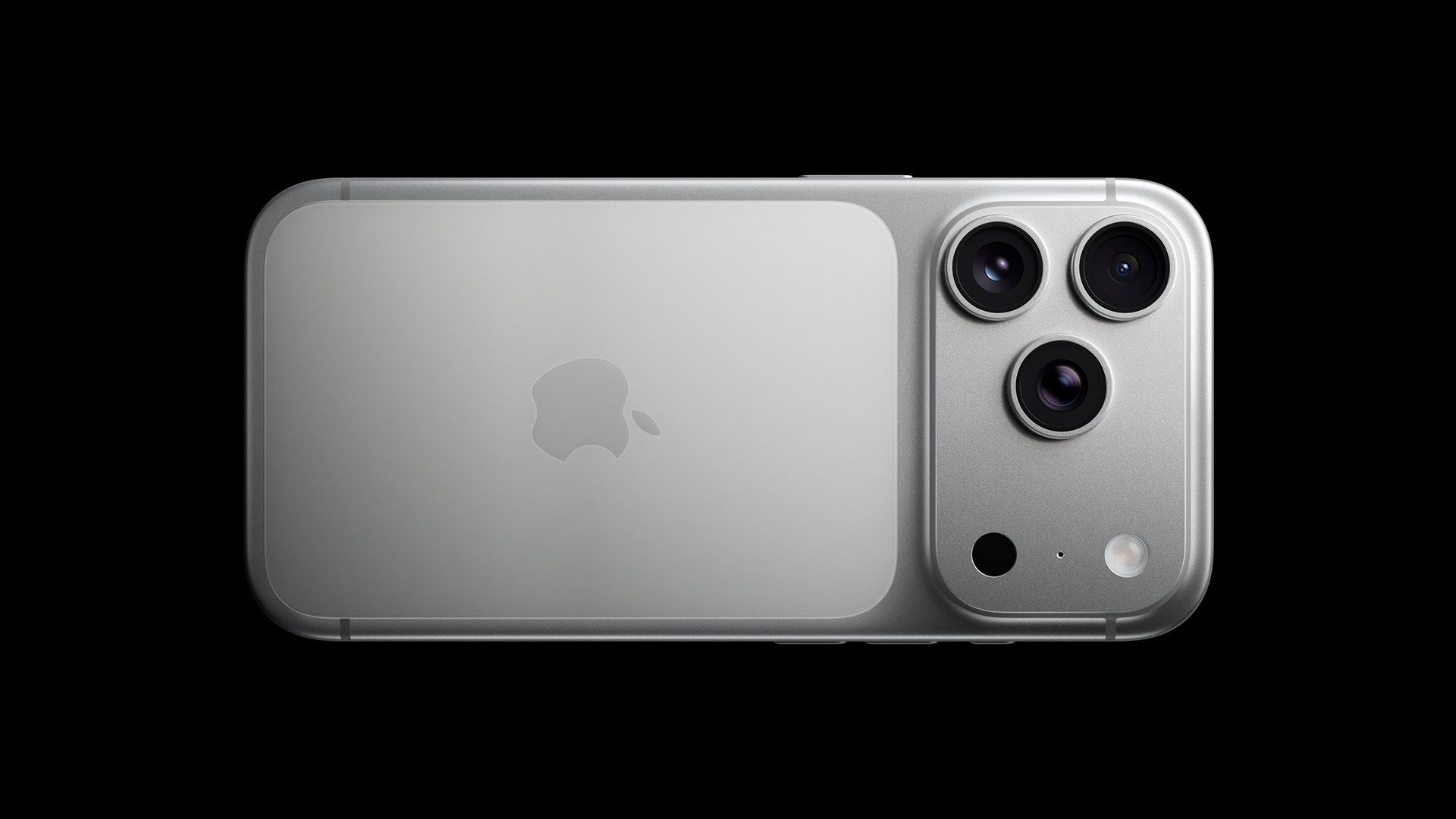
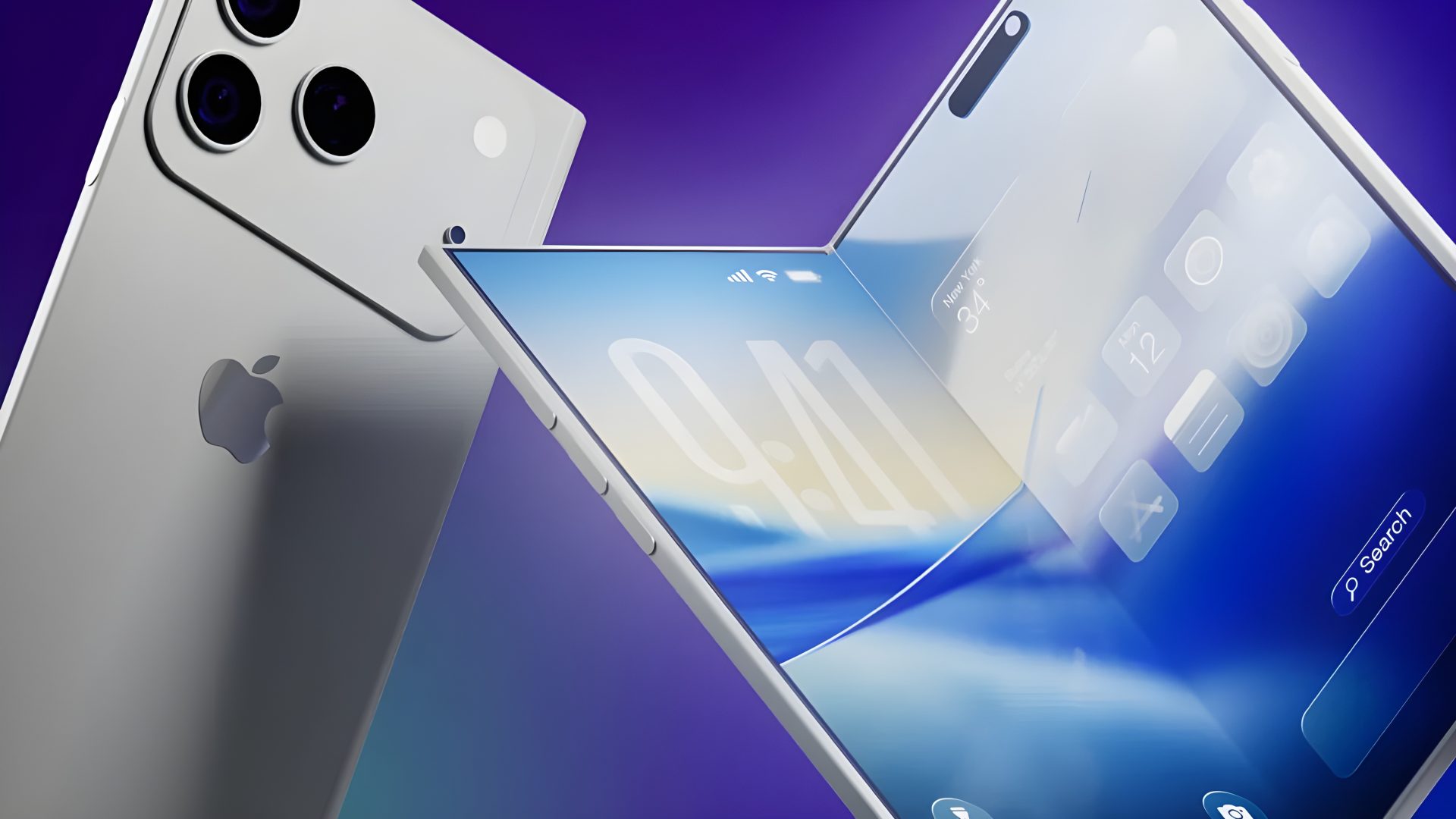
Apple’s continued investment in advanced camera technology represents a strategic move to maintain its position as a leader in the smartphone market. The pursuit of higher megapixel counts reflects broader trends within the consumer electronics industry, driven by increasing user demands for superior image quality and enhanced creative capabilities.
Recent reports suggest that Apple has solidified its intention to implement a 200MP camera sensor in an upcoming iPhone model. This development follows previous whispers of internal testing conducted back in May, where the tech giant was reportedly evaluating this technology’s potential for integration into their flagship device. The move underscores Apple's proactive approach to innovation and its commitment to pushing the boundaries of mobile photography.
The Rise of High-Resolution Mobile Cameras
The landscape of smartphone cameras has undergone a dramatic transformation in recent years. Previously, megapixel counts were often seen as the primary indicator of image quality; however, advancements in sensor technology, computational photography, and software processing have demonstrated that resolution alone is not sufficient to deliver exceptional results. Android manufacturers have been at the forefront of this trend, with numerous devices featuring sensors boasting upwards of 108MP and even exceeding 200MP capabilities.
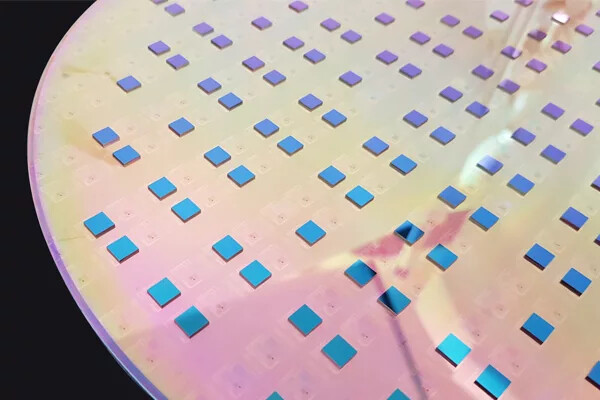
This shift has prompted Apple to re-evaluate its approach to camera development. While traditionally prioritizing sensor size and image processing algorithms, the company is now exploring the potential benefits of utilizing higher megapixel counts, particularly as advancements in these areas continue to drive performance improvements. The integration of a 200MP sensor would undoubtedly allow for significant cropping flexibility, enabling users to capture detailed images from greater distances or retain more information during post-processing.
iPhone 21: A 2028 Timeline
According to a recent analyst note – details of which are not being disclosed – Apple intends to incorporate this innovative camera technology into the iPhone 21, anticipated for release in 2028. This timeline aligns with Apple’s established product cycle, where new iterations of the iPhone typically debut every two to three years. The designation ‘iPhone 21’ represents a significant milestone, marking the 20th anniversary of the original iPhone's launch – a celebratory occasion that is likely to be leveraged in marketing efforts.
The shift towards higher megapixel counts isn’t solely about capturing more detail. It also opens doors for advanced features like pixel binning, which combines data from multiple pixels into one larger pixel to improve low-light performance and reduce noise. Furthermore, the increased resolution provides greater flexibility for future software updates and enhancements.

Beyond Megapixels: Apple’s Camera Strategy
While a 200MP sensor represents a significant technological advancement, it's crucial to recognize that Apple’s camera strategy extends beyond simply increasing resolution. The company has consistently invested heavily in its image signal processing (ISP) capabilities – the hardware and software responsible for converting raw data from the sensor into final images. This focus on ISP optimization is arguably more critical than solely relying on a high megapixel count.
Apple’s proprietary Deep Fusion technology, introduced with the iPhone 12 series, exemplifies this approach. Deep Fusion analyzes multiple exposures taken at different settings to intelligently combine them and produce images with improved detail, dynamic range, and color accuracy. Future iterations of this technology will undoubtedly benefit from the increased data provided by a 200MP sensor.
Future Implications for Mobile Photography
The potential integration of a 200MP camera into iPhones has significant implications for the broader mobile photography landscape. It could accelerate the adoption of high-resolution sensors across the industry, prompting other manufacturers to follow suit. Furthermore, it will likely drive further innovation in computational photography techniques, as developers seek to maximize the capabilities of these advanced sensors.
The increased resolution also raises questions about storage requirements and data processing demands. Smartphones are already facing challenges with regards to storage capacity; a 200MP camera would significantly increase the amount of data generated per image. Apple will likely need to develop new storage solutions and optimize its software to efficiently handle this influx of information.
The iPhone’s Continued Innovation
Despite facing increased competition from Android devices, Apple remains a dominant force in the smartphone market. The company's unwavering commitment to innovation – evidenced by its exploration of 200MP camera technology – suggests that it will continue to push the boundaries of mobile device capabilities.
The anticipated release of the iPhone 21 in 2028 represents a pivotal moment for Apple and the future of mobile photography. It remains to be seen how this new technology will ultimately shape the user experience, but one thing is certain: Apple’s pursuit of excellence will continue to drive innovation within the industry.