The Apple M5 Max chip, paired with its 48GB-to-128GB unified memory architecture, has redefined what local AI can achieve—leaving a critical question: Can Windows-based systems follow suit? Unlike traditional GPUs that rely on dedicated VRAM, the M5 Max allocates nearly all available system memory to both CPU and GPU tasks, eliminating bottlenecks for large language models. This shift could reshape how businesses deploy AI workloads, but Microsoft’s response remains uncertain.
Key specs highlight where Apple leads
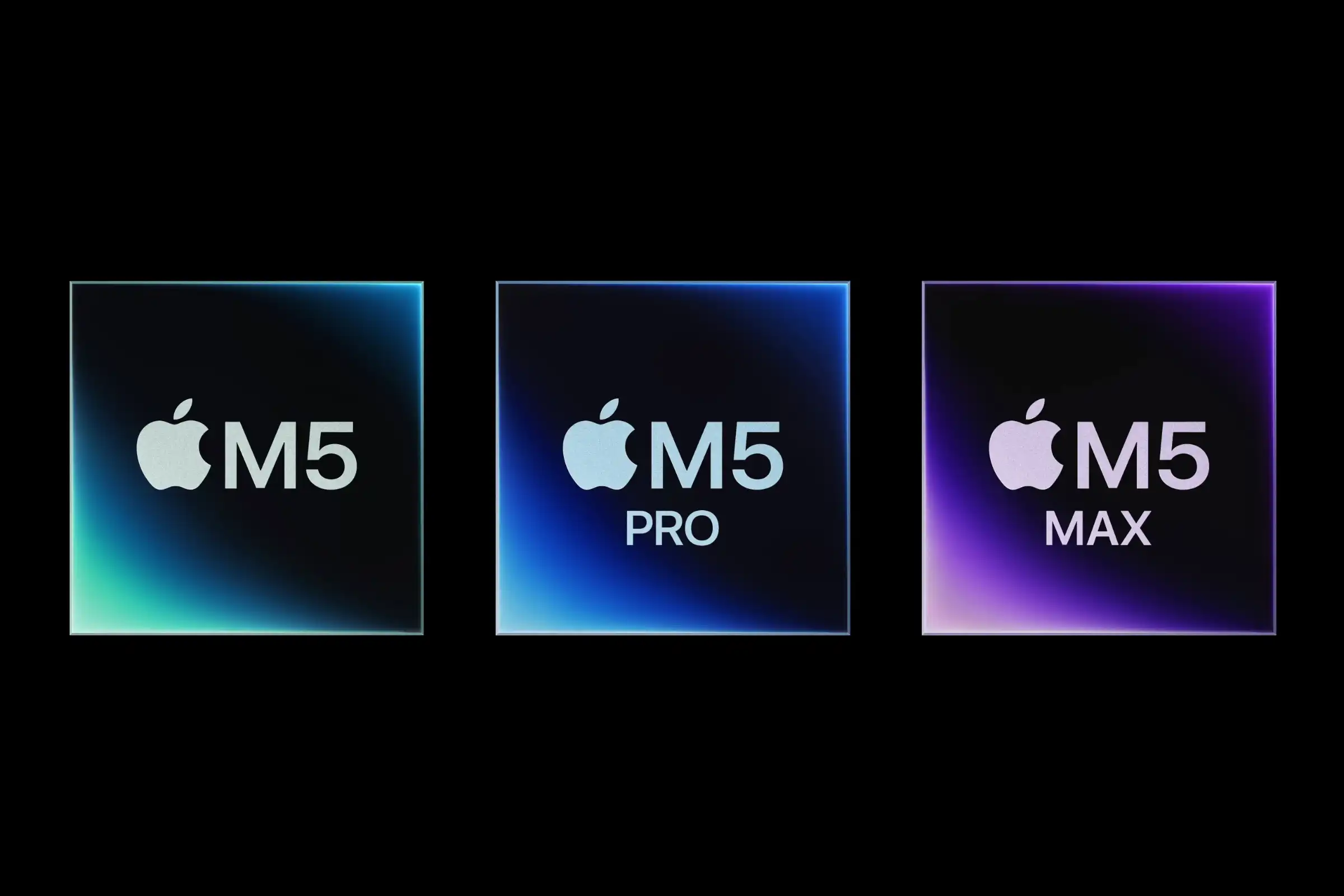
- Unified Memory: 48GB standard, up to 128GB (vs. Nvidia RTX 5090’s 32GB VRAM)
- Neural Accelerators: Integrated into each GPU core, paired with a 16-core neural engine
- ML Framework: MLX handles memory allocation dynamically, avoiding manual configuration
The implications for small businesses are immediate. A 70-billion-parameter model—currently cloud-dependent—could run locally on an M5 Max MacBook Pro with minimal latency. Meanwhile, the Ryzen 9 5950X and Nvidia RTX 5090, though powerful, lack comparable unified memory flexibility. Microsoft’s Windows ML aims to leverage existing hardware, but without a dedicated NPU or similar architecture, it may struggle to match Apple’s efficiency.
For now, the M5 Max sets a benchmark that competitors must address—especially if local AI adoption accelerates in enterprise workflows. The next move belongs to Microsoft and chipmakers to prove Windows can compete without sacrificing performance or privacy.