Apple’s budget iPhone strategy continues with the iPhone 17e, a device designed to offer incremental improvements without breaking the bank. While high-end models like the iPhone 18 Pro series dominate headlines, the 17e remains Apple’s gateway for cost-conscious buyers—delivering a familiar experience with subtle upgrades under the hood.
The launch, expected on February 19, follows a pattern set by the iPhone 16e, reinforcing Apple’s annual refresh cycle for its entry-level lineup. This year, however, the focus shifts to efficiency: a 4-core GPU in the A19 chip, a Dynamic Island design tweak, and a $599 starting price that keeps it competitive in a market where premium smartphones are climbing in cost.
The iPhone 17e’s Key Specifications
- Display: 6.1-inch 60Hz OLED (same as iPhone 16e)
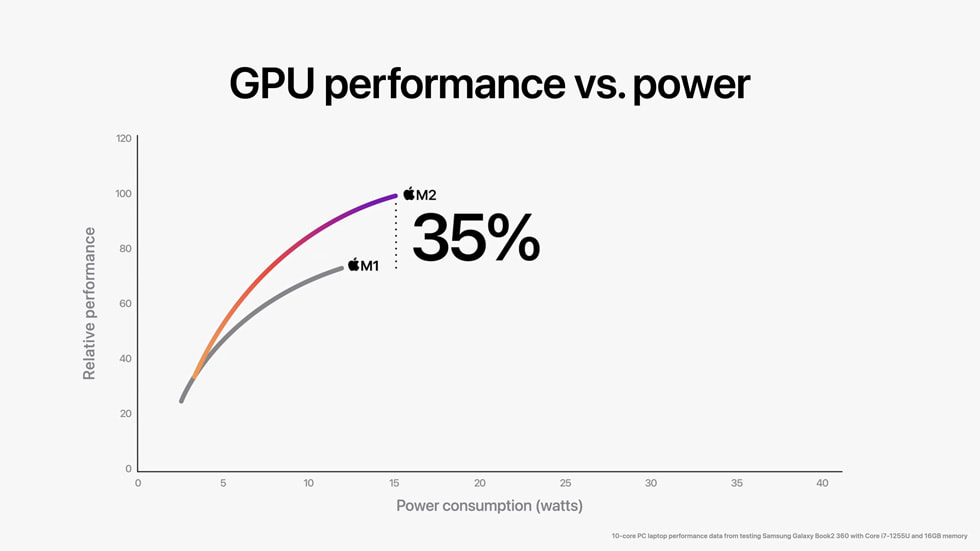
- Chipset: A19 with 4-core GPU (10% slower than 5-core variant in the base iPhone 17)
- 5G Modem: C1 (no upgrade to C2)
- Rear Camera: 48MP primary (unchanged from iPhone 16e)
- Front Camera: 12MP (same as predecessor)
- Battery: Estimated 4,005mAh (efficiency gains may extend runtime)
- Storage: Starting at 256GB
- Price: $599 (U.S.) for 256GB model
- Design: Dynamic Island (replacing the notch)
- Production: BOE supplying OLED panels; limited to ~8 million units
The iPhone 17e’s most notable change is the shift to Dynamic Island—a design Apple has reserved for its Pro models—while keeping the 60Hz display to control costs. Underneath, the A19 chip (shared with the base iPhone 17) brings modest performance gains over the iPhone 16e’s A18, though the 4-core GPU limits graphical power. The C1 5G modem ensures better battery efficiency than earlier models, a critical factor for budget devices where runtime often lags behind premium counterparts.

For photography, Apple isn’t introducing new sensors but relies on computational improvements to match the iPhone 16e’s output. The 48MP rear camera and 12MP front shooter remain unchanged, meaning image quality will depend on software enhancements rather than hardware upgrades.
Pricing is the standout feature. At $599, the iPhone 17e undercuts competitors while offering a familiar iOS experience. Apple’s supply chain optimizations may even allow for discounts on the iPhone 16e, giving buyers more flexibility. However, the device’s limited production run—estimated at around 8 million units—suggests it’s a niche player in Apple’s lineup.
Who is this for? Budget-conscious Apple fans upgrading from older models or those hesitant to pay premium prices for incremental features. Tradeoffs include a slower display, a downgraded GPU, and no major camera upgrades, but the Dynamic Island and A19 chip provide a step up from the iPhone 15e or 16e.