AMD's 9950X3D2 Emerges from the Shadows
The tech community is buzzing with renewed interest in AMD’s highly anticipated Ryzen 9 9950X3D2 processor. Initially hinted at through unconfirmed reports, the ‘Granite Ridge’ flagship 16-core CPU has begun to materialize in real-world product listings and marketing materials, signaling a potential shift in timing for its launch.
Initial Discovery: Alienware China's Misstep
The story began with an inadvertent mention on Alienware China’s Weibo account. The company showcased a new Area-51 desktop system, prominently featuring the Ryzen 9 9950X3D2 processor as its core component. To further fuel speculation, the accompanying short video included a banner referencing ‘CES 2026,’ adding to the intrigue surrounding the product’s unveiling.
Sytronix's NexStation: A Confirmed Showcase
Adding weight to these rumors is the announcement from Sytronix, a UK-based specialist in PC workstations and servers. The company has already begun accepting pre-orders for its ‘NexStation’ product, boasting an ‘all-new’ design powered by a combination of AMD's latest technologies.
Technical Specifications & Key Features
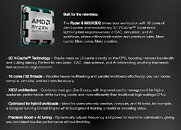
Sytronix’s product page details a system utilizing both the Ryzen 9 9950X3D CPU and the Radeon AI PRO 9700 GPU. A key element highlighted is the processor's dual CCD architecture, coupled with a design that stacks substantial L3 cache directly on the CPU core.
�This innovative approach,” explains Sytronix, “boosts memory bandwidth and dramatically reduces latency. This configuration is ideally suited for applications demanding rapid access to large datasets, including simulation software, Computer-Aided Design (CAD) programs, data science workloads, and AI inferencing tasks.”
Pre-Launch Benchmarks & Timeline Predictions
Interestingly, older leaks have already captured benchmark results of the Ryzen 9 9950X3D in pre-launch testing. This activity strongly suggests a rollout timeline within the coming months – potentially following the release of AMD’s previously announced Ryzen 7 9850X3D. The 8-core variant has been released with significant performance gains, and it is likely the 16-core 9950X3D will follow shortly thereafter.
The Significance of L3 Cache Stacking
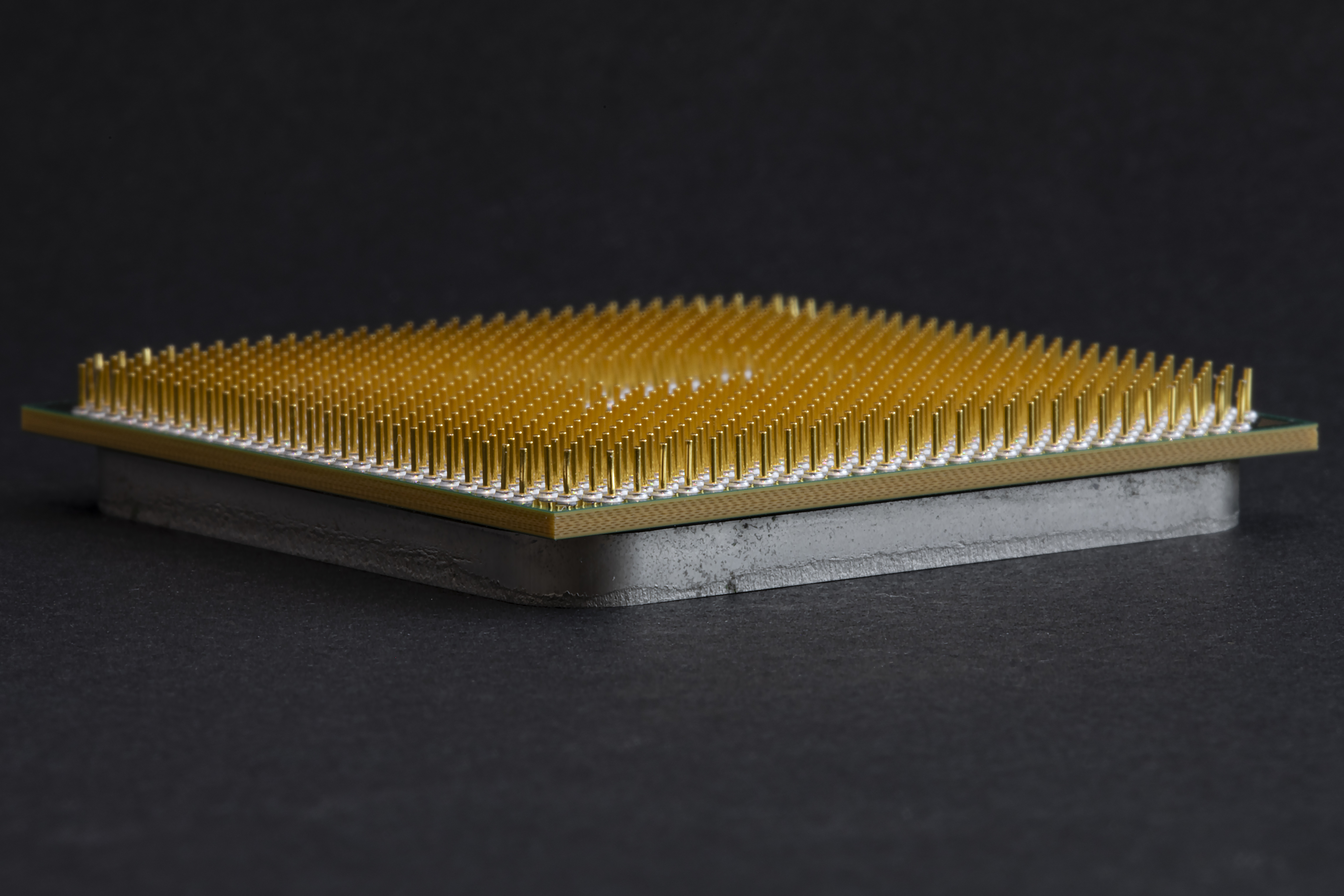
The core innovation driving much of the excitement surrounding the 9950X3D2 is its architecture. Traditional CPU designs rely on a shared pool of L3 cache, which can become a bottleneck when multiple cores need to access the same data simultaneously. The 9950X3D2’s approach – stacking massive L3 cache directly onto the CPU core – effectively creates a dedicated high-speed memory zone for each core, dramatically improving performance in heavily threaded workloads.
Implications for Key Markets
The emergence of the Ryzen 9 9950X3D2 holds significant implications across several key markets. Its targeted capabilities make it a compelling option for
- AI Inference & Machine Learning: The reduced latency and increased bandwidth provided by the L3 cache stacking will accelerate AI model training and inference, enabling faster development cycles and improved performance.
- Simulation Software: Applications like ANSYS and Abaqus rely on massive datasets and complex calculations – the 9950X3D2’s architecture is perfectly suited to handle these demanding workloads.
- CAD (Computer-Aided Design): Similarly, CAD software benefits from rapid data access, allowing engineers and designers to work more efficiently.

Looking Ahead
The ongoing buzz surrounding the Ryzen 9 9950X3D2 underscores AMD’s commitment to pushing the boundaries of CPU performance. As more information emerges regarding its specifications and real-world benchmarks, we anticipate a significant impact on the high-performance computing market.