The tech industry’s focus on AI has triggered a cascading shortage that’s now reaching beyond GPUs and memory. Server CPUs—once a stable market—are under unprecedented strain, with delivery times in China now exceeding six months and prices climbing sharply. This isn’t just a hiccup; it’s a structural shift that could leave gamers and budget builders scrambling for alternatives.
At the center of the storm is AMD’s reliance on TSMC for its high-end EPYC processors, which are now caught in a bottleneck as the foundry prioritizes AI-focused chips. Intel’s server division faces similar pressures, with its CEO acknowledging missed deadlines for hyperscalers—a sign that even the most critical contracts are struggling to get filled on time.
The Ryzen 9 9950X3D2—Still a Question Mark
While the server market grapples with delays, AMD’s consumer roadmap remains deliberately vague. The Ryzen 9 9950X3D2, originally teased as a dual 3D V-Cache monster, has been pushed into uncertainty. No official cancellation, but no confirmation of its return either. What’s clear is that AMD’s resources—like those of Intel—are being redirected toward enterprise needs, where margins and long-term contracts take precedence over retail demand.
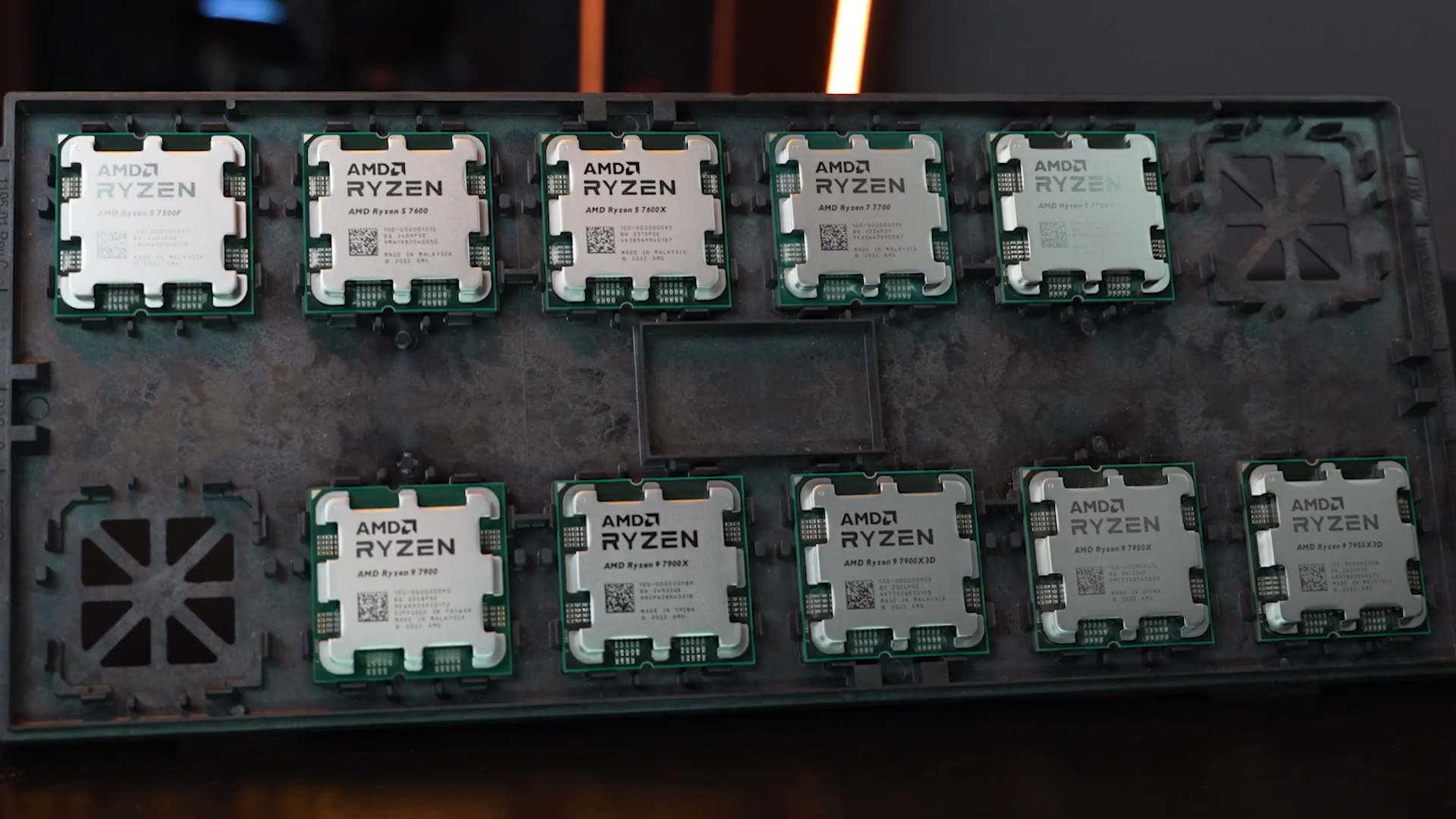
The 9950X3D2’s fate isn’t just about one chip; it’s a microcosm of a larger trend. If server CPUs remain in short supply, even high-end desktop parts could face production cuts or price surges. The 75W TDP of the 9950X3D2 suggests it was designed for power efficiency, but without clarity on its status, buyers are left guessing whether it’s a victim of the same supply crunch.
Who’s Getting Hurt?
The immediate fallout is being felt in two areas
- Gamers and enthusiasts: Already squeezed by GPU and RAM shortages, desktop CPU availability could tighten further. Prices for existing stock may rise as supply chains struggle to balance enterprise and consumer needs.
- Businesses upgrading infrastructure: Hyperscalers and data centers are accelerating replacements of older server hardware, creating artificial demand. This rush is outpacing manufacturing capacity, with Intel and AMD both forced to ration allocations.
For now, the most affected are those waiting for high-end chips. The Ryzen 9 9950X3D2, if it ever materializes, would have been a powerhouse for content creators and high-end workstations—but its delay underscores a broader issue: when AI demand collides with traditional supply chains, even the most anticipated consumer products can become collateral damage.
The question isn’t just whether the 9950X3D2 will arrive. It’s whether the industry can stabilize before the next wave of shortages hits.