AMD’s latest Ryzen 7 9850X3D isn’t a radical leap forward, but it is a carefully optimized evolution of the Ryzen 7 9800X3D. Targeting gamers and enthusiasts who want strong single-threaded performance without the power draw of a 16-core CPU, the 9850X3D retains the same core and cache architecture while pushing boost clocks higher and refining efficiency. The result? Noticeable improvements in gaming, compute-heavy tasks, and AI inference—all while keeping power consumption and platform compatibility unchanged.
The 9850X3D lands today at $499, positioning itself as a drop-in upgrade for AM5 users. It maintains the same 8-core, 16-thread design as the 9800X3D but bumps base and boost clocks from 4.7/5.2 GHz to 4.7/5.6 GHz—a subtle but meaningful shift for latency-sensitive workloads. AMD hasn’t altered the 96MB L3 cache or 120W TDP, ensuring no surprises for existing AM5 motherboards (B650, X670, and newer B840/X870 chipsets).
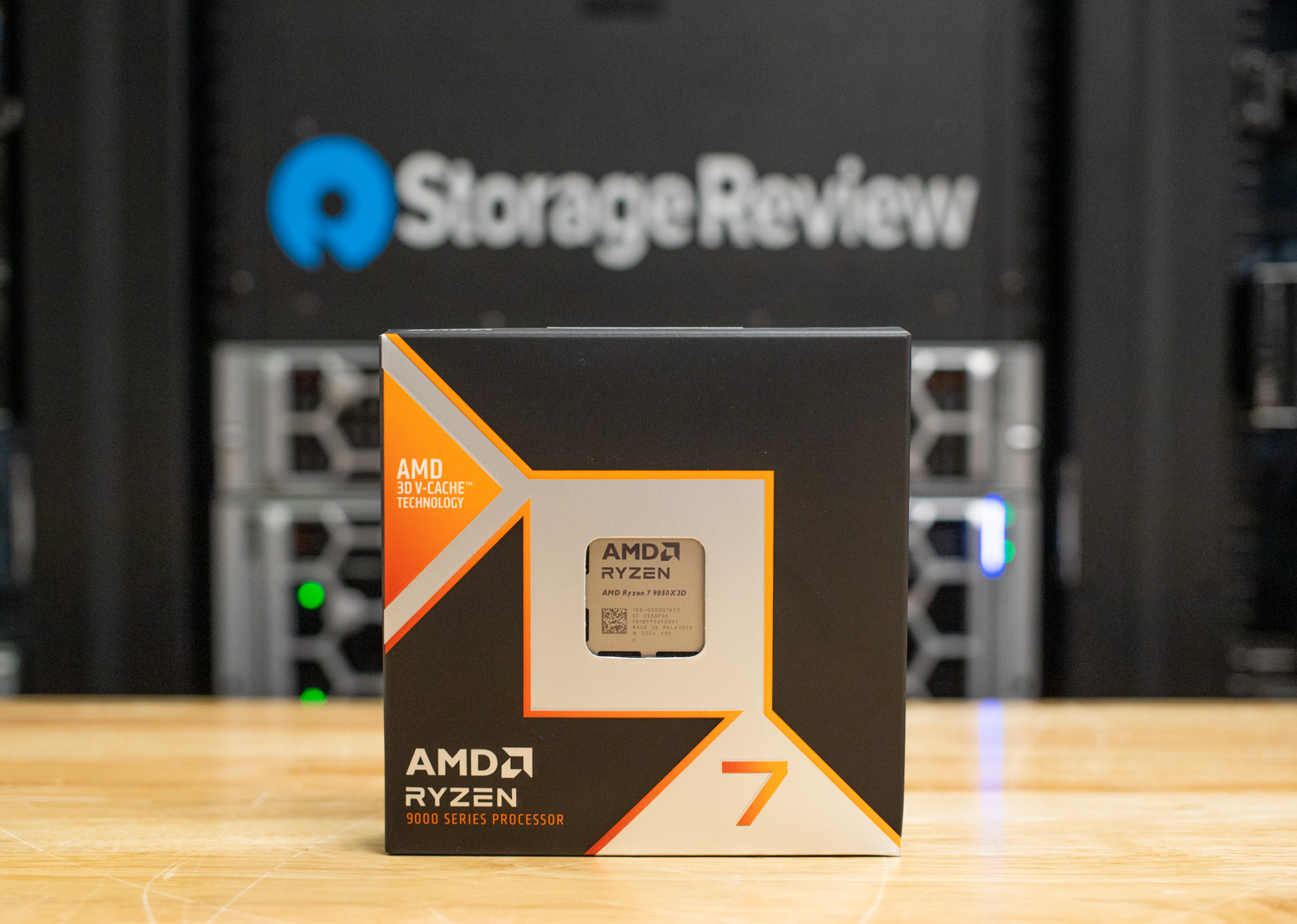
Where the 9850X3D shines is in scenarios where single-threaded performance and frame consistency matter most. Benchmarks show a 4.8% lead in 4-threaded workloads (critical for gaming) and up to 19.7% faster completion in sustained compute tasks like y-cruncher. AI inference workloads also benefit, with the 9850X3D handling ResNet-50 and YOLO V3 tasks 15% faster than its predecessor. Meanwhile, productivity benchmarks like PCMark 10 and SPECworkstation reveal smaller but consistent gains, reinforcing its appeal for mixed-use systems.
For users already on AM5, the upgrade path is seamless. No motherboard changes are needed, and the 9850X3D pairs well with DDR5-5600 memory (or higher with EXPO support). While it won’t replace the Ryzen 9 X3D models for heavy multithreading, it delivers a smoother gaming experience and better efficiency for lighter workloads—making it a strong choice for high-end builds where responsiveness and cache-sensitive performance are priorities.
The Ryzen 7 9850X3D isn’t a revolution, but it’s a well-executed refinement. If you’re on the 9800X3D and want incremental gains, the upgrade is worth considering. For everyone else, it’s a compelling mid-range option that bridges the gap between mainstream and high-end performance.