AMD's RDNA 5 GPUs Likely to Arrive After NVIDIA's RTX 60 Series in 2027
AMD's next-generation RDNA 5 gaming GPUs are expected to launch after NVIDIA's RTX 60 series, potentially pushing the arrival of high-end graphics cards until late 2027. This delay comes as both companies face challenges in the current memory market, which has slowed down the release of new products.
What’s New
The gaming GPU landscape is set to undergo a significant shift with the introduction of next-generation architectures from both AMD and NVIDIA. While NVIDIA's RTX 60 series, codenamed Rubin, is expected to hit the market in late 2027, AMD's RDNA 5 lineup is likely to follow suit, maintaining the traditional pattern where NVIDIA leads the charge in high-end graphics technology.
Key Details / Specs
The RDNA 5 architecture, rumored to be built on TSMC's advanced N3P node, promises substantial performance improvements and efficiency gains. However, the exact specifications, including core clock speeds, memory configurations (DDR5 or DDR4), and pricing, remain under wraps for now.
Performance / Comparison
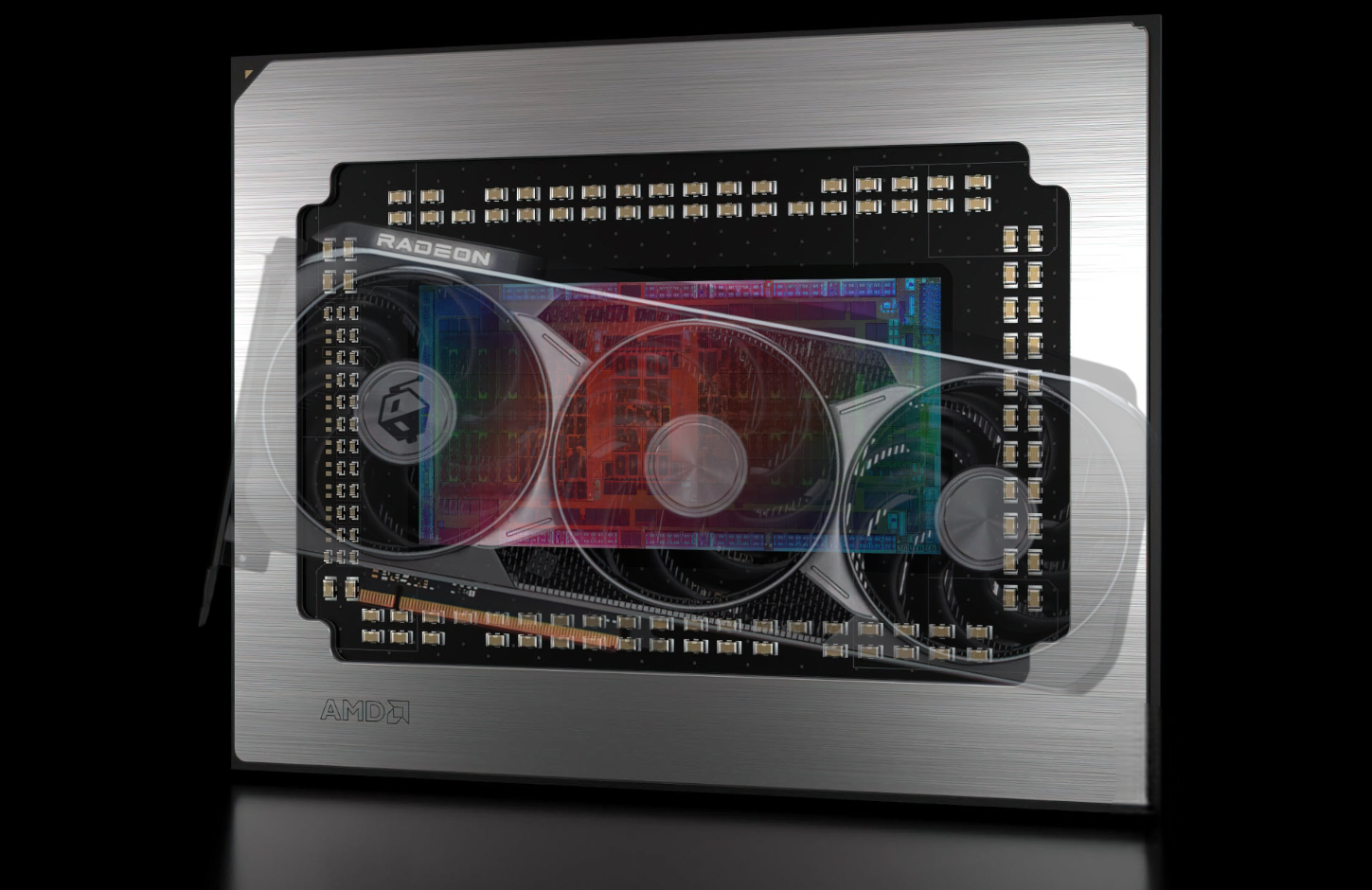
When they finally arrive, RDNA 5 GPUs are expected to offer significant performance leaps over their predecessors. AMD's strategy may focus on differentiating its products in a way that counters NVIDIA's aggressive pricing and market dominance. For instance, the Ryzen 9850X3D processor has already demonstrated how AMD can carve out a unique performance niche, particularly in gaming workloads where its 3D V-Cache technology delivers notable advantages.
NVIDIA, on the other hand, has been known for its ability to sustain high margins and undercut competitors with price drops, especially in the flagship segment. This pattern could repeat with the RTX 60 series, leaving AMD to navigate a challenging market where pricing flexibility is limited.
Why It Matters
The delay in RDNA 5 GPUs means consumers may have to wait even longer for next-generation graphics cards, extending the lifespan of current-gen products like the Ryzen 9850X3D and NVIDIA's RTX 40 series. This prolonged wait could also impact the broader PC ecosystem, including motherboard and memory chip development, as manufacturers adjust their roadmaps to accommodate the extended product cycles.
What to Watch Next
As both companies gear up for their next-gen launches, key developments to monitor include
- The finalization of RDNA 5 specifications, including support for DDR5 or DDR4 memory.
- NVIDIA's pricing strategy for the RTX 60 series and how AMD responds, particularly in the $1000+ segment where NVIDIA has historically dominated.
- Advancements in TSMC's manufacturing processes, which could influence the performance and power efficiency of both RDNA 5 and Rubin GPUs.
The arrival of RDNA 5 GPUs will be a critical moment for AMD, offering an opportunity to reclaim some of its lost ground in the high-end market. However, the path forward remains uncertain, with NVIDIA's established dominance and aggressive pricing tactics posing significant challenges.