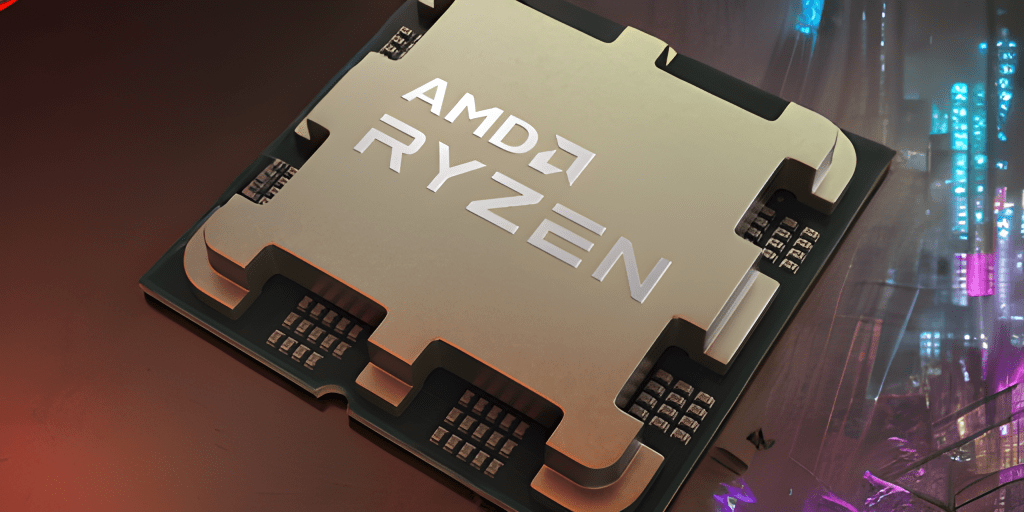
AMD’s ascent in the PC processor market isn’t just about seizing Intel’s missteps—it’s about redefining what’s possible in an industry where x86 has long been an unchallenged duopoly. While Intel’s strategic pivot toward high-margin server chips has created immediate opportunities for AMD, the long-term sustainability of this shift depends on factors beyond market share alone. Supply chain stability, product innovation, and the evolving role of Arm-based chips will determine whether AMD’s gains translate into lasting leadership or a fleeting advantage.
The most striking aspect of AMD’s performance is its ability to grow across all segments, not just the high-end. For years, the company’s success was often framed as a story of premium desktop dominance, where its Ryzen Threadripper and high-end Ryzen 9 processors outperformed Intel in benchmarks and captured enthusiast demand. This time, however, the gains were broad-based. Mid-range processors—particularly the Ryzen 5 and Ryzen 7 series—saw the most significant uptick in shipments, a trend that suggests AMD is no longer just a niche player for power users but a viable alternative for mainstream consumers and businesses alike.
This shift aligns with AMD’s broader strategy to diversify its product lineup beyond gaming and content creation. The absence of a new console generation—now in its seventh year without a major update—may have played a role, as AMD’s supply typically diverts to PCs when gaming platforms don’t absorb excess inventory. But the real driver appears to be Intel’s inability to meet demand, which has forced consumers and businesses to reconsider their options. For the first time in years, AMD’s mid-range chips are competing directly with Intel’s core products, and in many cases, they’re winning.
Supply Constraints and Strategic Trade-Offs
The flip side of Intel’s server-focused strategy is a supply crunch that has left the company struggling to fulfill orders for consumer CPUs. While Intel’s server chips—particularly its Xeon and Sapphire Rapids families—are seeing strong demand, the company’s manufacturing challenges have limited its ability to scale production. This has created a bottleneck that AMD has been quick to exploit, but it also raises questions about whether Intel’s pivot is sustainable. Server chips are high-margin, but they’re also subject to economic cycles. A downturn in data center spending could force Intel to reallocate resources back to consumer markets, potentially reversing AMD’s gains.
For AMD, the challenge is ensuring that its growth isn’t just a reaction to Intel’s weaknesses but a reflection of its own strengths. The company has made significant investments in manufacturing, particularly through its partnership with TSMC for advanced node production. However, scaling these gains will require more than just supply—it will require continued innovation in performance, efficiency, and integration. AMD’s upcoming Zen 5 architecture, expected in late 2025, could be a turning point, but any delays or performance missteps could undermine its momentum.
Arm’s Role in the Shifting Landscape
While AMD and Intel battle for x86 supremacy, Arm-based chips continue to carve out a niche in the PC market, though their trajectory remains uncertain. Apple’s Mac lineup and Qualcomm’s Snapdragon processors have driven adoption, but the overall share of Arm-based PCs has dipped slightly from its peak, now estimated at around 13.3%. The challenge for Arm lies in balancing performance with power efficiency—a trade-off that has limited its appeal beyond ultra-thin laptops and Chromebooks. Apple’s contributions, in particular, have declined as the company shifts focus to its own silicon, leaving Qualcomm and others to fill the gap. If Arm-based chips fail to deliver meaningful improvements in performance or software support, their market share could stagnate, leaving AMD and Intel to dominate the x86 space for the foreseeable future.
The broader PC market is also facing headwinds, with modest sequential growth of 2.7% reflecting typical holiday trends but tempered by lingering memory shortages and the phase-out of Windows 10 support. Looking ahead, industry analysts expect Q1 2026 to bring further challenges, including supply constraints and higher production costs. These factors could dampen demand, making it difficult for AMD to sustain its current pace of growth without further innovation or market expansion.
A Turning Point—or Just the Beginning?
The question now is whether AMD’s gains are a temporary blip or the start of a lasting realignment. For Intel, the answer lies in stabilizing its manufacturing yields and restoring confidence in its consumer product roadmap. The company has already signaled plans to reintroduce more client CPUs in the coming quarters, which could begin to erode AMD’s lead. Meanwhile, AMD must prove that its growth isn’t just a reaction to Intel’s struggles but a result of its own competitive advantages in performance, efficiency, and ecosystem support.
One thing is clear: the PC market is no longer a static landscape where Intel’s dominance was taken for granted. AMD’s rise is a reminder that even in mature industries, disruption is possible—whether through strategic missteps, technological innovation, or a combination of both. For now, AMD is riding high, but the real test will come in how it navigates the challenges ahead without losing its footing in a market that’s as dynamic as it is competitive.