AMD is rolling out FSR 4.1 with a twist: the latest upscaling framework will arrive in two flavors, tailored to different GPU architectures. RDNA 3 GPUs—including those based on the new architecture—will see an optimized version first, while RDNA 2 support remains delayed, hinting at deeper technical hurdles than initially anticipated.
This isn't just a software update; it's a signal of how AMD is prioritizing its resources. The company has long emphasized FSR as a cornerstone for performance and efficiency, but the distinction between RDNA 2 and RDNA 3 treatment suggests that the latter’s capabilities are pushing the limits of what can be achieved with current upscaling techniques.
For IT teams evaluating GPUs, this means a few key considerations. First, if budget allows, RDNA 3 GPUs now offer an immediate upgrade path for FSR 4.1, promising smoother performance and better visual fidelity right out of the gate. Second, those relying on RDNA 2 hardware will need to weigh whether waiting for delayed support is worth it—or if alternative solutions should be explored in the meantime.
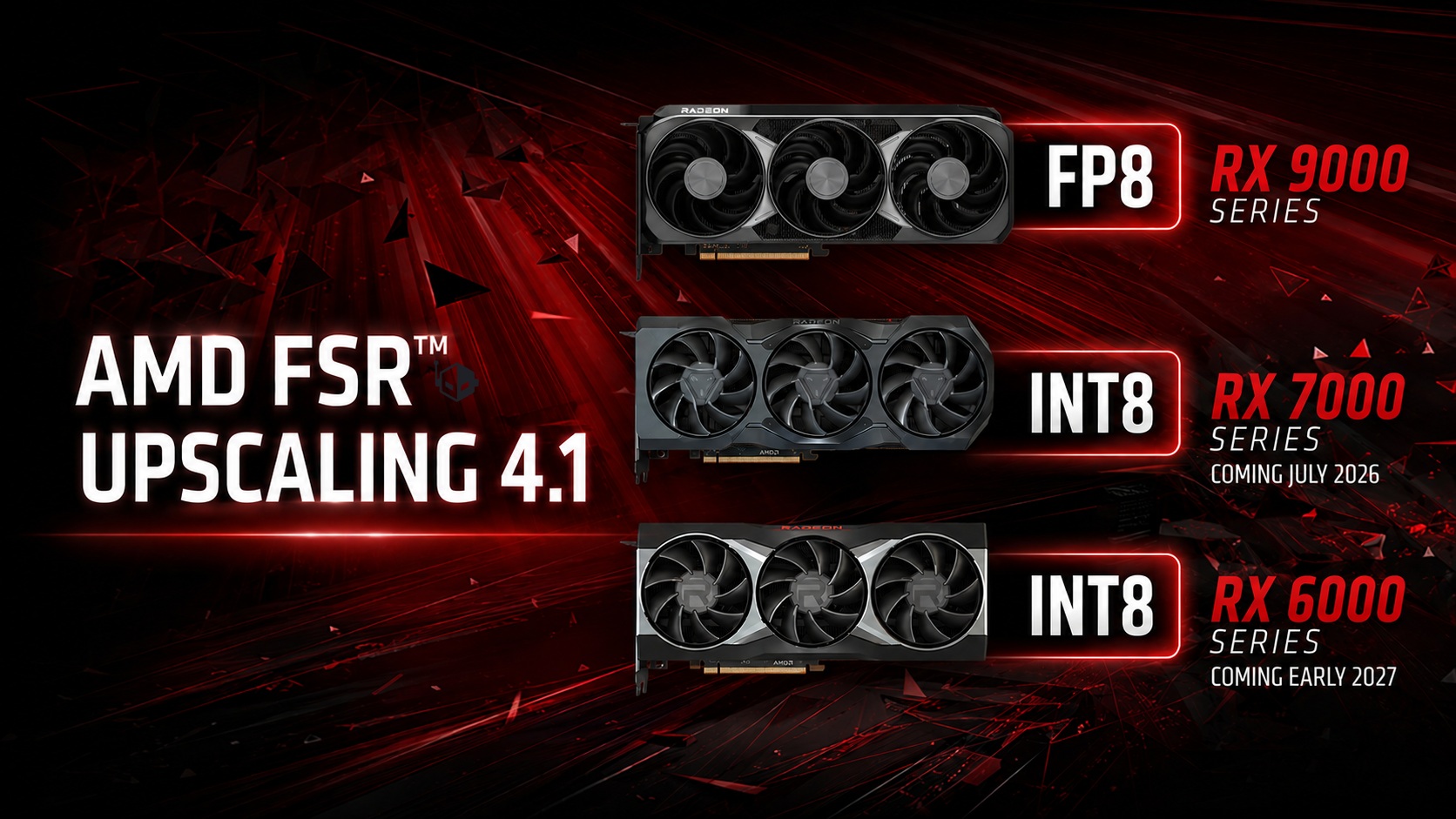
What remains unclear is exactly why RDNA 2 support is taking longer than expected. While AMD hasn’t provided specifics, industry sources suggest that the differences between the two architectures are more pronounced than previously thought, requiring a more fundamental rethink of how FSR interacts with older hardware. This could mean that the eventual RDNA 2 update might not just be delayed but also more limited in scope.
Looking ahead, AMD’s approach raises questions about the broader ecosystem. Will other vendors follow suit, offering specialized versions of upscaling technologies for different GPU generations? And how will this trend affect the cost and complexity of maintaining hardware compatibility as architectures continue to evolve? For now, the focus is on RDNA 3, where FSR 4.1 is expected to deliver tangible improvements in efficiency—a priority for IT teams balancing performance and power consumption.
The bottom line: AMD’s two-track approach to FSR 4.1 reflects a reality many in the industry are grappling with—hardware progression outpaces software optimization, leaving some users in limbo. Whether that limbo is temporary or structural remains an open question.