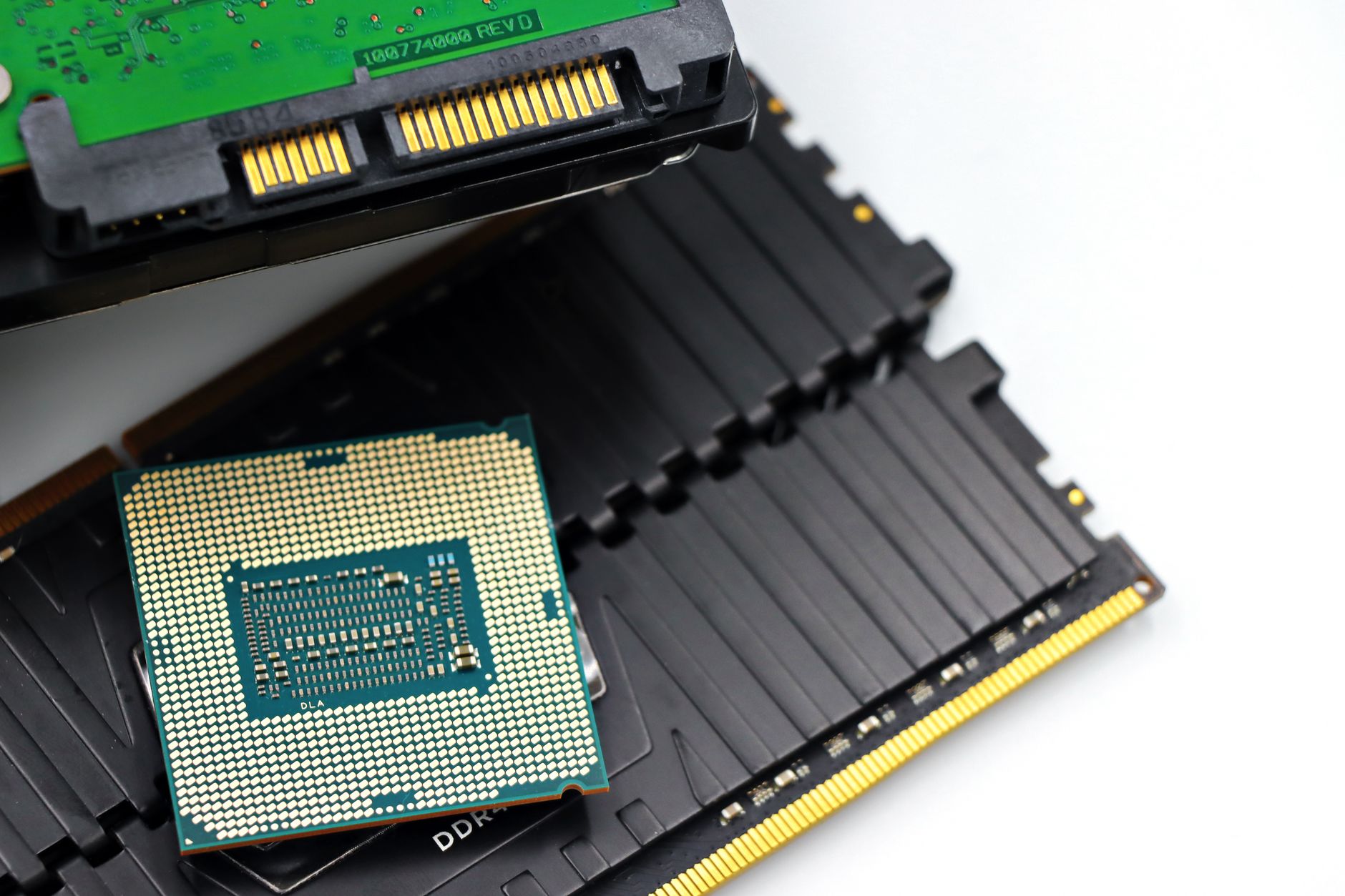
The Ryzen Z1 and Z1 Extreme processors, found in handheld gaming PCs such as the Asus ROG Ally and Lenovo Legion Go, are facing a silent driver crisis. Despite their shared architecture with mainstream Ryzen 7000-series APUs, these chips have not seen a GPU driver update since September of last year.
This stagnation is particularly noticeable in performance benchmarks. For example, Resident Evil Requiem runs at an average of 40 fps on the Steam Deck but struggles to maintain double-digit frame rates on the ROG Ally, even at the lowest settings. The discrepancy is stark, given that the Z1 Extreme is significantly more powerful than the Steam Deck’s semi-custom chip.
The lack of driver updates is not limited to Asus devices; Lenovo’s Legion Go also remains frozen on an older GPU stack. Meanwhile, Valve has been actively updating the SteamOS ecosystem, integrating the latest advancements in open-source graphics drivers like Mesa. This divergence leaves users with Ryzen Z1-based handhelds at a notable disadvantage.
The impact extends beyond gaming. While the ROG Ally and Legion Go can still run thousands of titles, their long-term usability is compromised by the absence of software improvements. AMD’s official support for Ryzen 7000-series APUs—including the Ryzen 7 7840U—remains active, yet the Z1 Extreme is excluded, despite sharing an identical integrated GPU architecture.
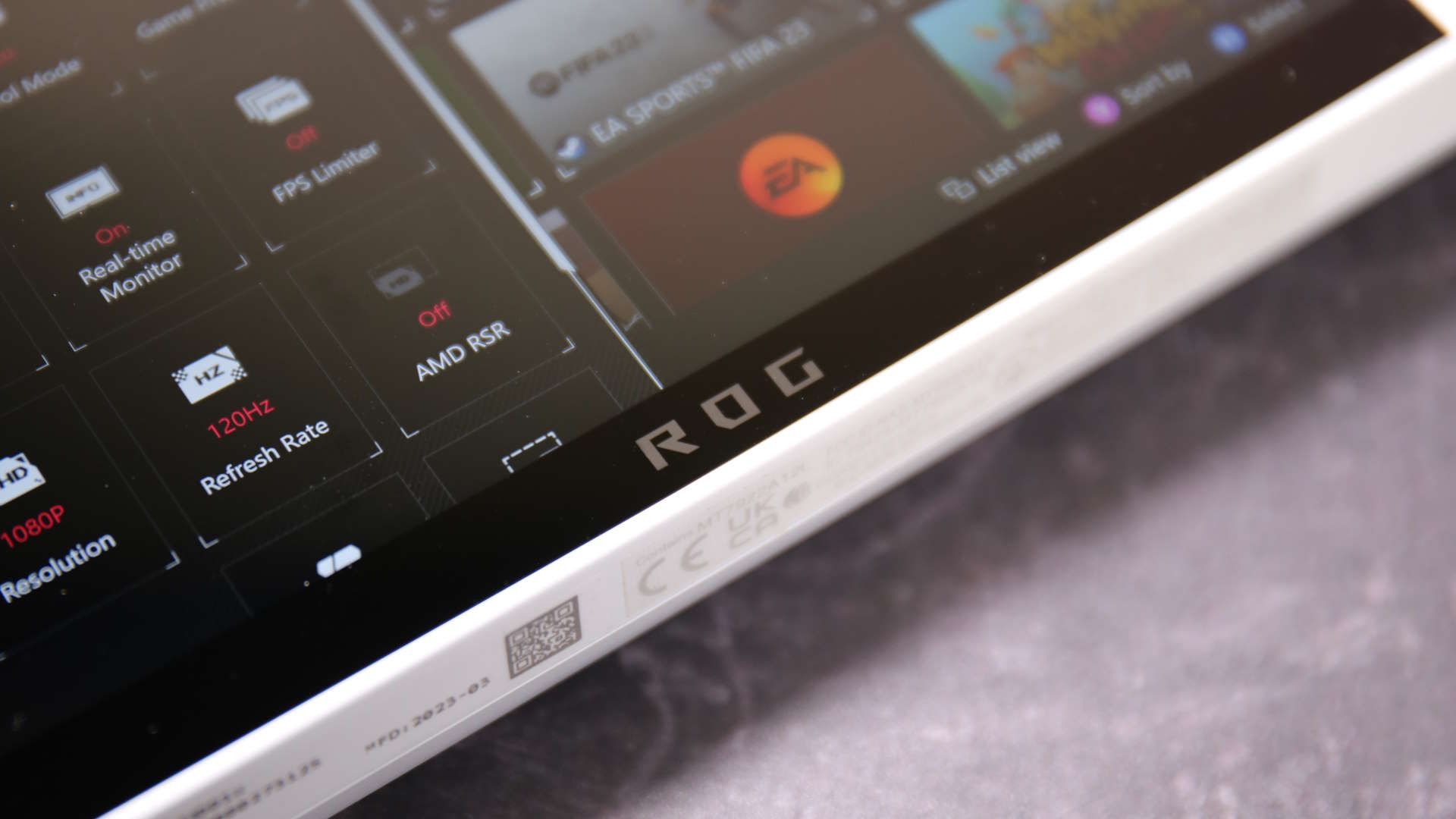
One workaround exists: the Lenovo Legion Go S with SteamOS. This variant bypasses AMD’s driver pipeline entirely, as Valve handles graphics updates instead. However, this solution is not universally available, leaving most users without a clear path forward.
The broader implications are concerning. If AMD has effectively abandoned the Z1 after just a few years of production, what does that mean for future Ryzen Z2 devices? These chips are also off-the-shelf designs with minor tweaks—hardware that should logically receive continued support. Yet the current situation suggests otherwise.
For power users, the choice is clear: avoid Ryzen Z1-based handhelds unless they run SteamOS. The performance gap is too wide to justify, and the lack of driver updates undermines long-term value. For now, the only reliable path forward lies with devices that leverage Valve’s ecosystem—leaving AMD’s silent stagnation as a cautionary tale for the industry.