For Linux users relying on AMD’s Radeon GPUs, video playback has just gotten a significant upgrade—though at a cost. The latest Mesa 26.1 release introduces a low-latency video decode mode for Radeon hardware, leveraging Video Core Next (VCN) architecture to slash decoding delays. The change is particularly relevant amid a broader push for smoother multimedia performance, especially as AMD’s newer GPUs like the RX 9070 and RX 9070 XT compete with NVIDIA’s RTX 5070 Ti and RTX 5090 in high-end workloads.
The new feature isn’t enabled by default. Instead, users must activate it via the AMD_DEBUG=lowlatencydec environment variable, a nod to its aggressive power consumption. While this mode prioritizes near-instantaneous decoding—critical for streaming, gaming overlays, or professional workflows—it does so at the expense of efficiency. Laptop users, in particular, may notice reduced battery life when enabling the setting, as the GPU works harder to minimize latency.
AMD’s decision to keep the feature disabled by default reflects a pragmatic approach: balancing performance gains with real-world constraints. Desktop users, where power draw is less of an issue, might find the trade-off worthwhile, especially when paired with high-refresh-rate displays or demanding applications like video editing.
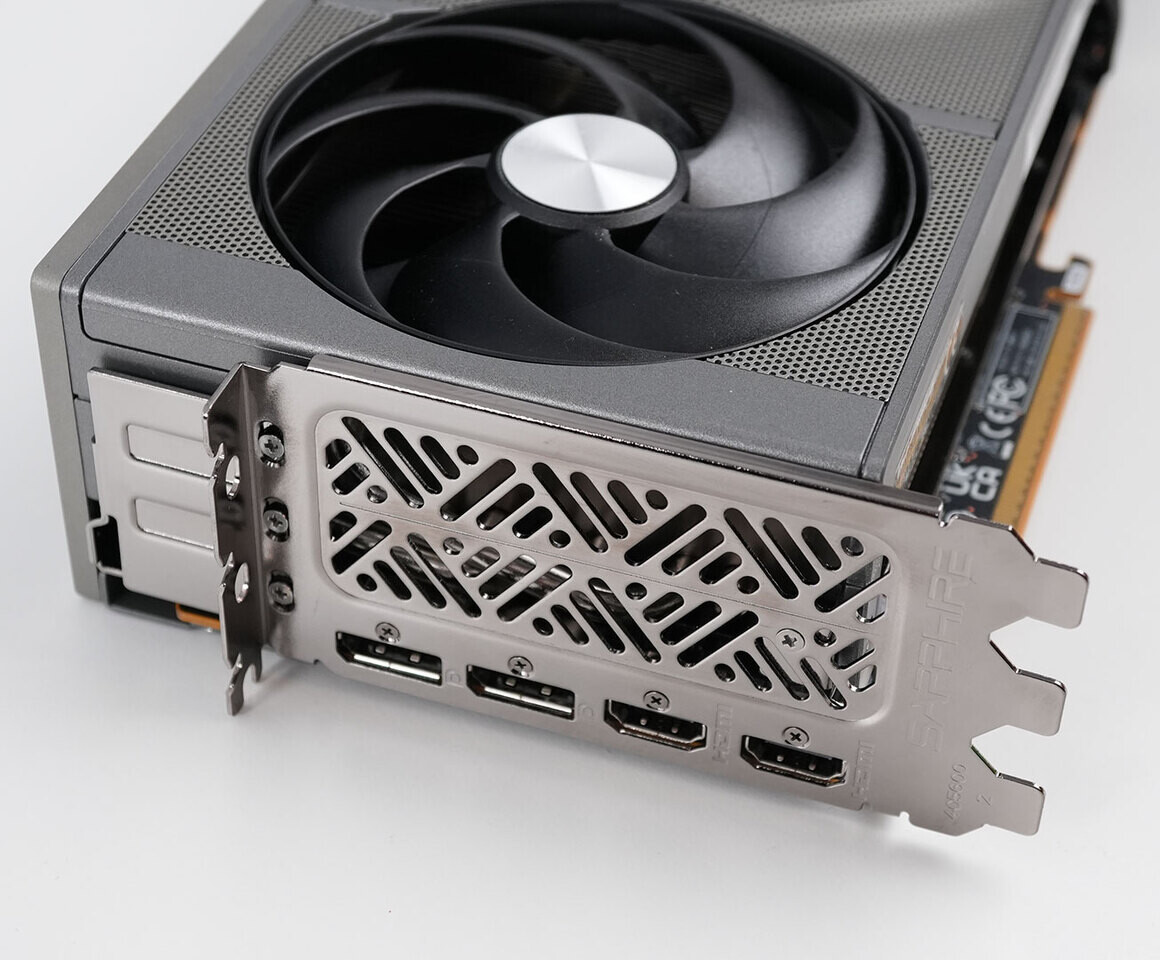
The update arrives as AMD’s Radeon RX 9000 series continues to refine its Linux support, following earlier clarifications on maintenance mode for older RX 5000 and RX 6000 GPUs. Meanwhile, the company’s pricing strategies—including aggressive competition against NVIDIA’s dominance—remain a focal point, with leaks suggesting AI-driven demand could push high-end GPUs like the RTX 5090 toward $5000 in 2026.
- The low-latency decode mode is part of Mesa 26.1 and requires manual activation via AMD_DEBUG=lowlatencydec.
- It reduces video decoding delays but increases GPU power consumption.
- Laptop users may experience shorter battery life when enabled.
- Desktop users could benefit from smoother playback for high-refresh-rate or professional workloads.
For those eager to test the feature, enabling the environment variable is straightforward but should be done with awareness of the power trade-off. AMD’s broader strategy—balancing performance, efficiency, and Linux compatibility—continues to evolve, particularly as its newer architectures like RDNA 5 and potential 96-CU GPUs take shape.