The Ecosurfer S2 marks a turning point in automated pool maintenance, shifting the industry away from rigid pathfinding toward dynamic, AI-driven coverage. This evolution is particularly relevant for commercial operators—hotels, resorts, and public facilities—where labor costs and downtime directly impact profitability.
Previous generations of skimmers often required manual adjustments or suffered from uneven debris collection, leading to inconsistent water clarity. The S2 mitigates these issues with real-time sensor data processing, which adjusts its path based on detected debris density. This adaptability could reduce daily maintenance time by up to 30%, a figure that, if sustained, would allow operators to reallocate staff toward higher-value tasks such as deep cleaning or guest interactions.
- AI Navigation: Depth sensors and edge detection enable collision avoidance while ensuring more uniform surface coverage than traditional skimmers.
- Self-Cleaning Basket: Debris is automatically ejected into a collection bin, potentially cutting manual emptying by 40%.
- Energy Efficiency: The unit operates at 150 watts, significantly lower than competitors that often exceed 250 watts without matching performance.
The S2 also addresses historical pain points. Earlier models frequently clogged or recalibrated poorly in high-traffic pools, leading to downtime. The new design incorporates predictive adjustments when jams are detected, though its effectiveness under sustained heavy debris loads remains untested in real-world scenarios.
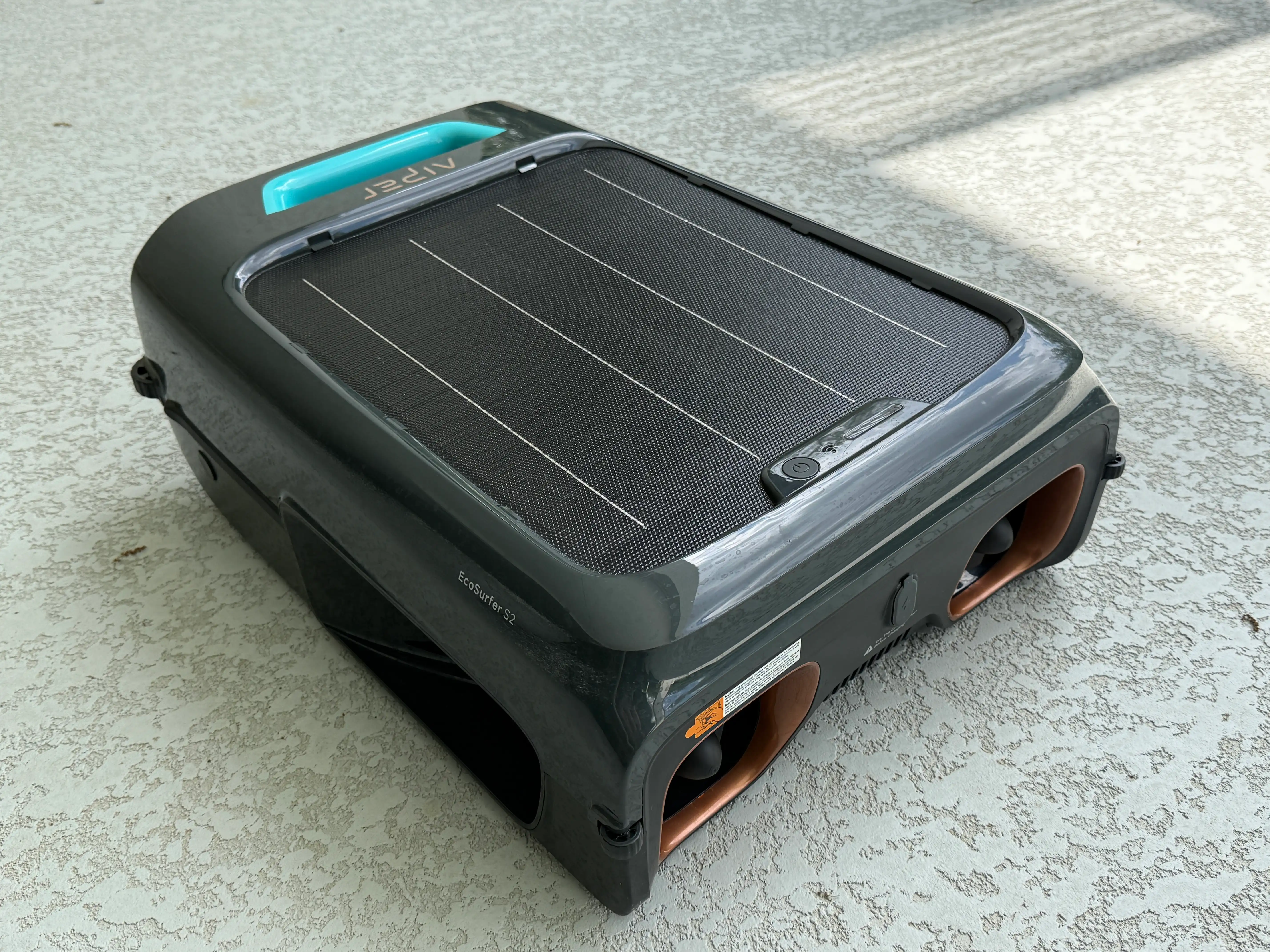
Pricing starts at $1,499 for the skimmer itself, with an optional subscription tier offering cloud-based analytics at $20 per month. While this tier provides performance insights, it introduces questions about data ownership and long-term cost viability compared to one-time purchases from competitors.
The broader implications extend beyond individual pools. If AI-driven skimmers prove reliable in diverse environments—including irregularly shaped pools or those with fluctuating debris levels—they could set a new benchmark for operational efficiency. However, operators must weigh the upfront investment against potential savings, as well as the practicality of subscription models in facilities where budget predictability is critical.
For now, the S2 represents a meaningful step forward, but its long-term adoption hinges on whether AI adaptability translates into consistent performance across varying conditions. The industry will be watching closely to see if this efficiency can be maintained without compromising reliability or increasing long-term costs.