Artificial intelligence is no longer just a buzzword in healthcare. It’s a revenue driver. The latest annual survey from NVIDIA, tracking AI adoption across medical imaging, drug discovery, and clinical workflows, reveals a striking shift: organizations are moving beyond proof-of-concept projects to deploy AI solutions that deliver measurable financial returns.
Among the most compelling findings, 68% of respondents report AI initiatives now generating positive ROI—up from 42% in the prior year. Radiology remains the fastest-growing application, with AI-assisted diagnostics cutting interpretation times by up to 40% in some institutions. But the biggest leap is in drug discovery, where AI models are accelerating compound screening by an estimated 20–30% while reducing costs by as much as 35%.
Yet for all the progress, challenges persist. Nearly half of surveyed organizations cite integration complexity as the top barrier to scaling AI, followed closely by data quality issues and regulatory uncertainty. ‘The gap between pilot projects and enterprise-wide deployment is narrowing, but it’s not seamless,’ says the report. ‘Companies that succeed are those treating AI as a strategic asset—not just a tool.’
Where AI Is Making an Impact
The survey highlights three areas where AI is already delivering quantifiable benefits
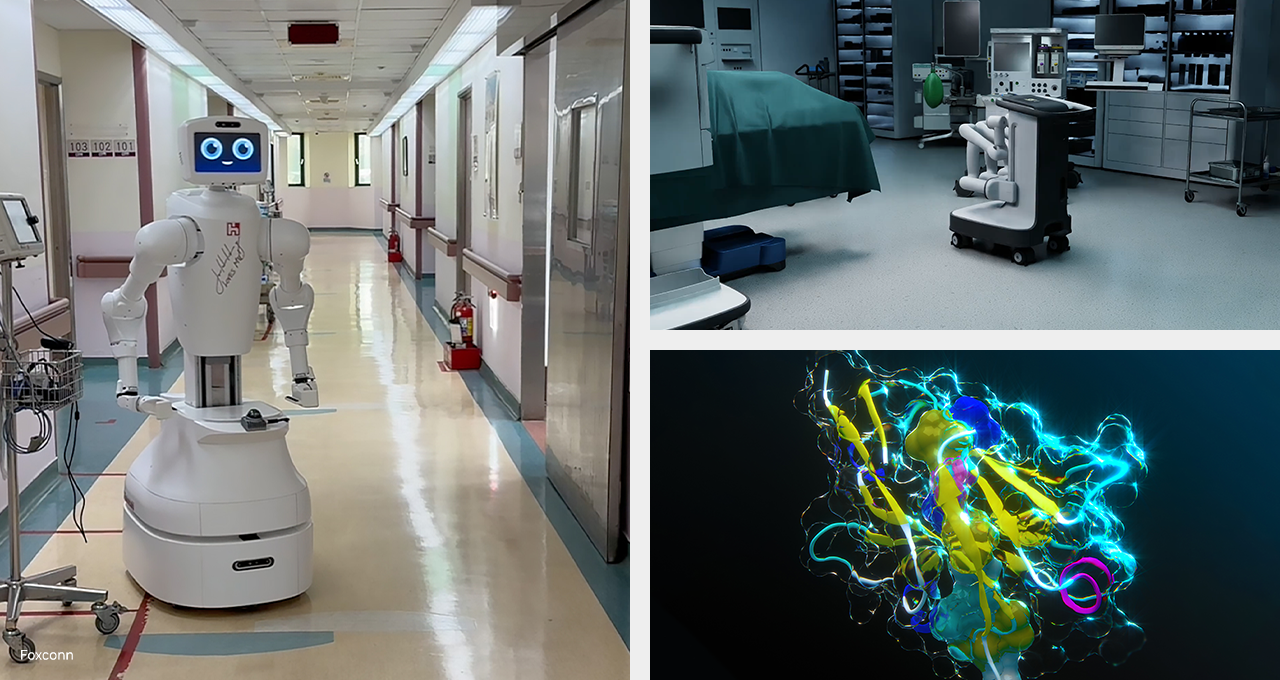
- Radiology and diagnostics: AI-powered image analysis reduces false positives in mammography by up to 25% and enables earlier detection of critical conditions like strokes and tumors.
- Drug discovery: Generative AI is being used to design novel molecules, with some pharmaceutical companies reporting a 50% reduction in time-to-candidate for new compounds.
- Precision medicine: Digital twins of human organs are now being deployed to simulate personalized treatment responses, cutting clinical trial costs by 15–20% in early adopters.
Notably, the survey also underscores a growing demand for AI that can explain its decisions—a requirement for 72% of respondents. ‘Interpretability is no longer optional,’ the report states. ‘It’s a dealbreaker for adoption in high-stakes fields like oncology and cardiology.’
The Road Ahead
Looking to 2027 and beyond, the survey identifies three trends likely to shape AI’s trajectory in healthcare
- Expanded use of foundation models trained on diverse medical datasets, enabling broader applicability across specialties.
- Greater collaboration between AI developers and clinicians to co-design solutions that fit real-world workflows.
- A push for standardized benchmarks to measure AI performance in clinical settings, addressing the current lack of universally accepted metrics.
The message is clear: AI in healthcare is evolving from a promising innovation to a proven business driver. But realizing its full potential will require addressing integration hurdles, ensuring data integrity, and fostering trust through transparency.