The rise of on-device AI is reshaping how users interact with their computers, particularly in the realm of system diagnostics. Traditional diagnostic tools often require deep system access or cloud processing to deliver insights, but a new approach prioritizes privacy by keeping all analysis local—processing only anonymized hardware data rather than personal files.
This shift reflects broader industry trends toward decentralized AI, where computational tasks are handled on the user’s machine without relying on remote servers. For gamers and power users, this means gaining visibility into critical metrics like CPU/GPU temperatures, RAM stability, or storage health without compromising sensitive data—an increasingly important consideration in an era of heightened privacy awareness.
The new tool, designed to work seamlessly with modern PCs, leverages natural language processing to interpret user queries. Instead of navigating through complex menus, users can simply ask for metrics like ‘Check my GPU temperature’ or ‘Is my RAM stable?’ The system responds with real-time data without storing any identifiable information, making it a compelling alternative to traditional diagnostics that often require full system access.
- Local processing: All diagnostics occur on the user’s device, eliminating cloud dependencies.
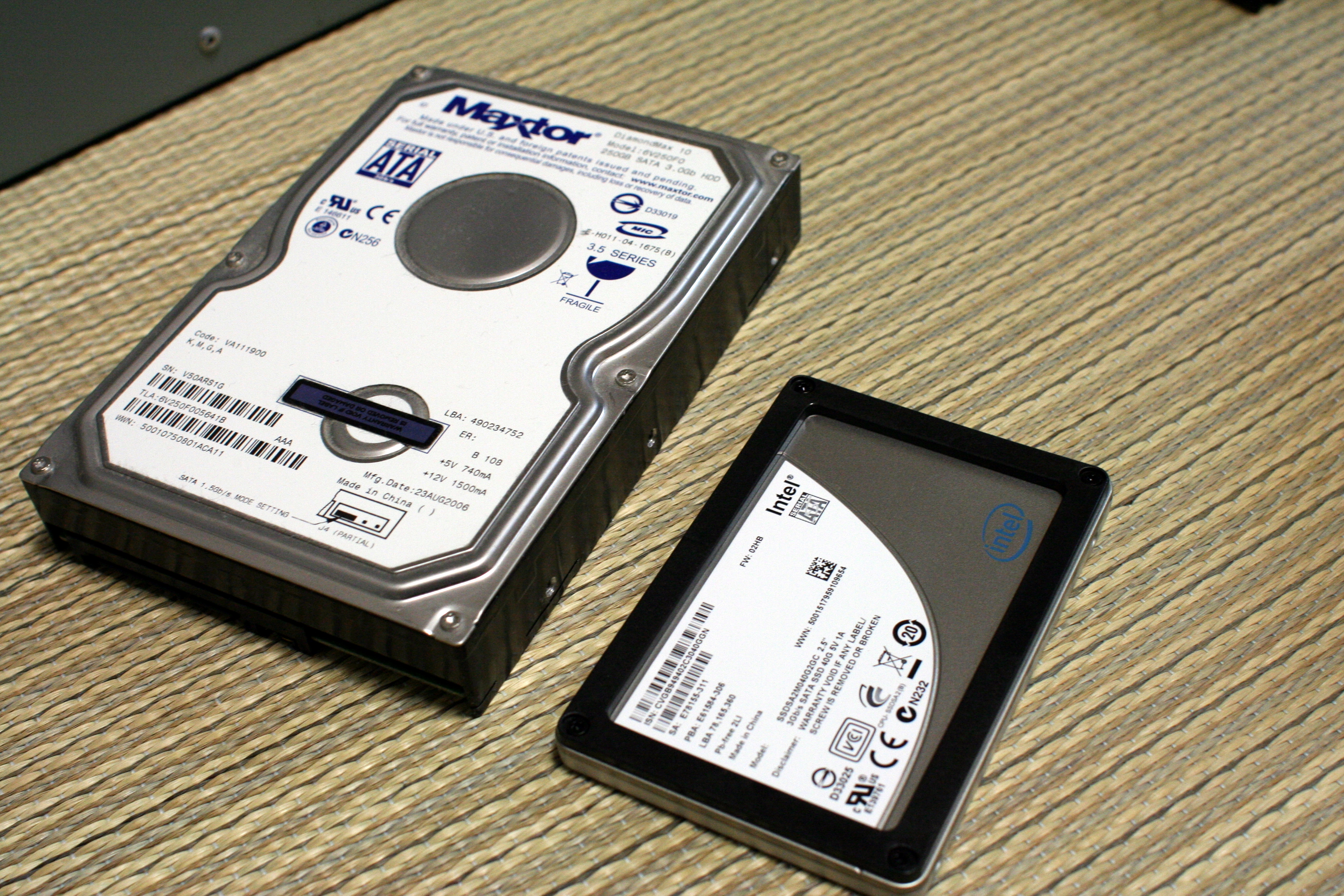
- Hardware compatibility: Supports Intel and AMD CPUs alongside NVIDIA and AMD GPUs, with dedicated checks for RAM and SSD health.
- Natural language interface: Users input questions in plain text, reducing friction compared to traditional diagnostic tools.
While the tool excels at monitoring, it does not provide deep system-level fixes—such as recovery tools or firmware updates—which limits its utility beyond status reporting. This positions it more as a companion for real-time diagnostics rather than a comprehensive solution like built-in OS utilities that offer actionable recommendations.
For enterprise environments, the privacy-first design could simplify compliance with strict data sovereignty regulations, though its effectiveness may be constrained by the need for manual interpretation of raw metrics. Unlike integrated system tools that automatically suggest optimizations, this tool focuses solely on reporting, leaving users to act on insights independently.
The broader implications of this approach are significant. By prioritizing privacy without sacrificing functionality, it challenges the status quo where deep diagnostics often come at the cost of data exposure. Whether this model gains widespread adoption will depend on whether users value its non-invasive nature over the depth and automation of traditional tools—a question that could redefine the future of PC health monitoring.