The storage market is undergoing a quiet revolution. Driven by the relentless growth of AI data centers, hard disk drives (HDDs) and solid state drives (SSDs) have become the most sought-after components in computing today. Manufacturers like Seagate, Sandisk, and Western Digital are now locking in customers with five-year supply agreements—a shift that signals a fundamental change in how storage is produced and distributed.
This isn’t just about meeting demand; it’s about reshaping the entire supply chain. For the first time, manufacturers have a clear roadmap for production, thanks to long-term commitments from major cloud providers and hyperscalers. The result? A more stable but also more predictable market—one that leaves little room for consumer PC gamers or end-users accustomed to shorter contract cycles.
Why Five-Year Contracts?
The answer lies in the scale of AI’s appetite for storage. Data centers are expanding at an unprecedented rate, requiring exabyte-class storage solutions for model training, analytics, and archival workloads. HDDs, traditionally seen as slower alternatives to SSDs, are suddenly back in demand—especially for bulk storage where speed isn’t a priority.
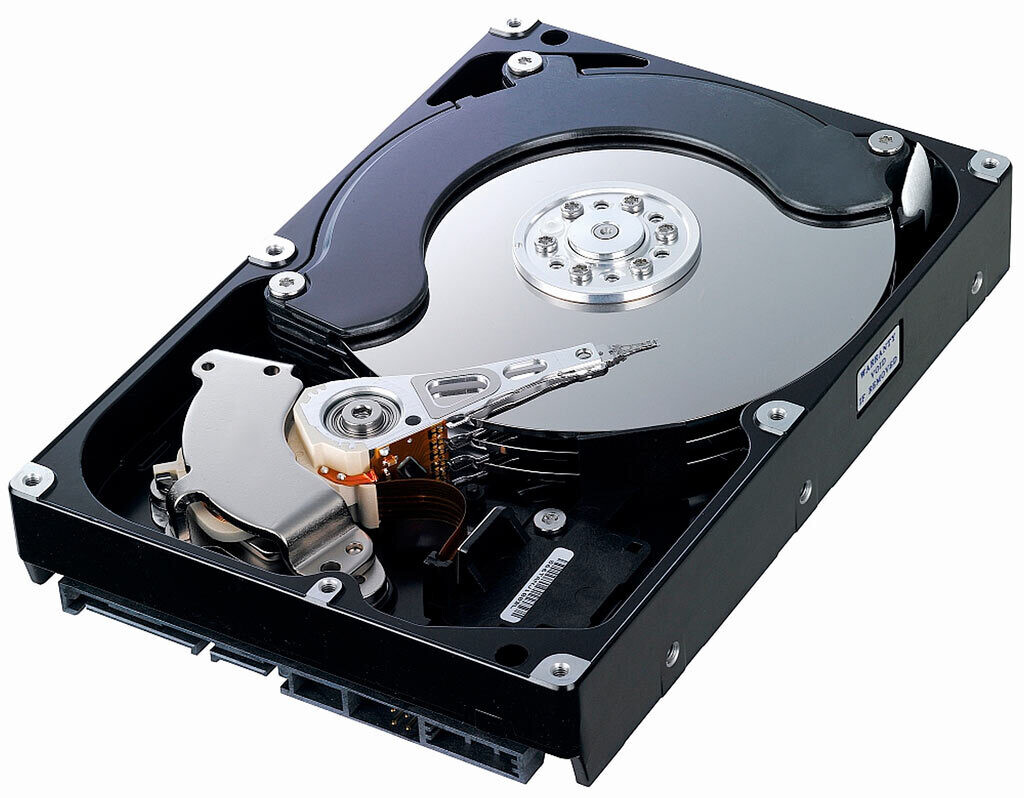
That’s the upside: manufacturers can now plan production with confidence, avoiding the chaotic shortages that have plagued the industry in recent years. But there’s a catch. While HDD prices have surged by an average of 46% over the past four months, NAND Flash—critical for SSDs—has seen even more dramatic increases, jumping 500% in just a few months.
Who Gets Squeezed?
The consumer market is bearing the brunt of this shift. With AI data centers consuming nearly all available inventory, PC gamers and end-users are left competing for scraps—a reality that’s already pushed HDD prices to levels not seen in years.
HDDs, despite their mechanical nature, aren’t immune to silicon constraints—though the bottleneck isn’t in the platters themselves. The real issue lies in the controllers, which rely on silicon that’s also in high demand for other AI-related hardware. Meanwhile, SSDs face a double whammy: NAND Flash shortages and concerns about data retention, particularly with certain Windows 11 updates.
Looking Ahead
The long-term impact remains to be seen, but one thing is clear: the storage market will never be the same. For now, AI’s insatiable hunger for capacity has created a new normal—one where five-year supply contracts are the rule rather than the exception.