The Skytech Azure 3 arrives at a pivotal moment for the PC gaming ecosystem, where GPU architectures are increasingly constrained by VRAM limitations while system-level components face persistent supply pressures.
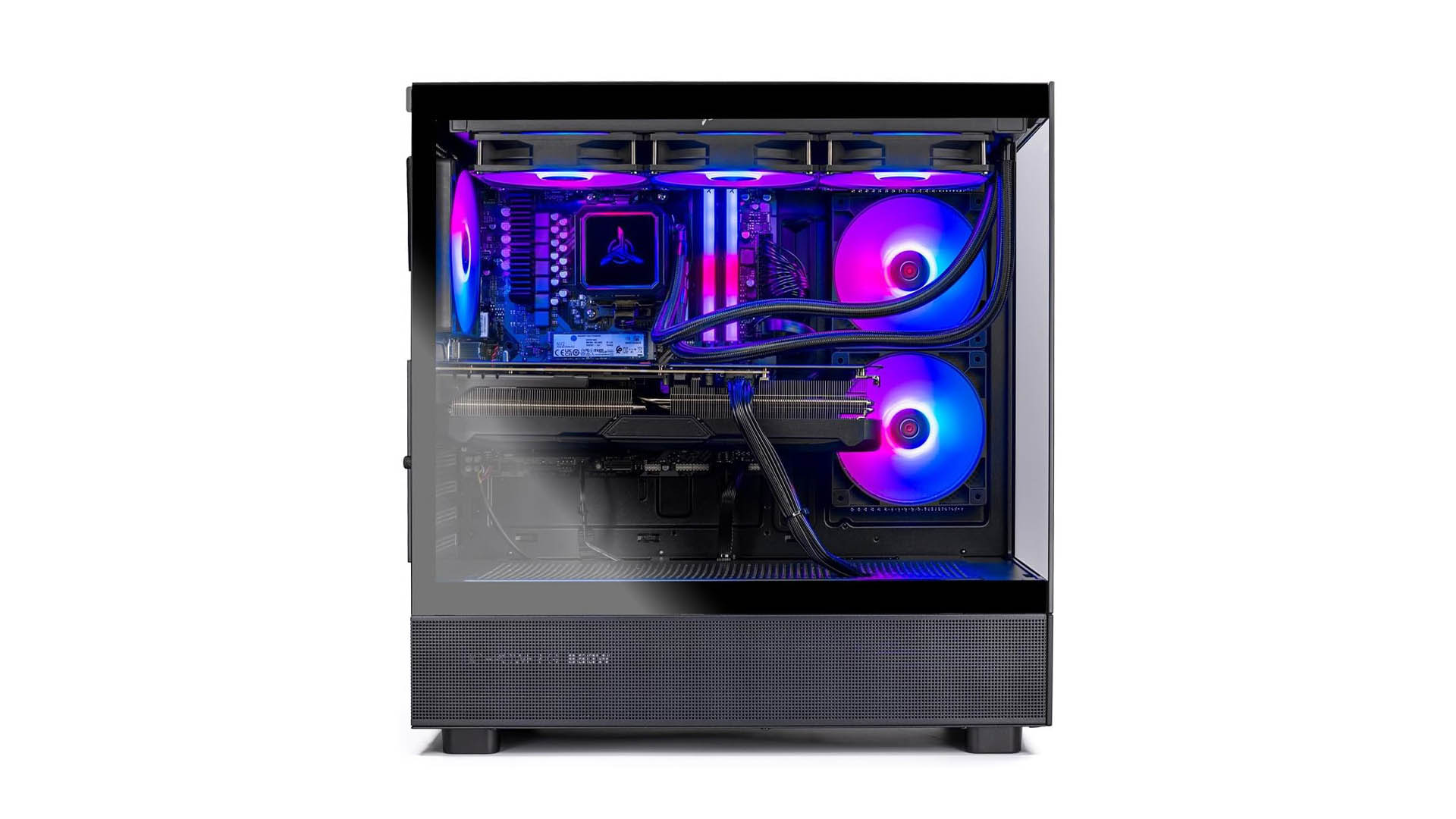
This pre-built system pairs AMD’s Ryzen 7 7800X3D with NVIDIA’s RTX 5060 Ti (16GB), delivering a configuration that balances raw performance and future-proofing—critical for titles demanding more than the traditional 12GB VRAM threshold. The inclusion of 32GB DDR5 memory at 6,000MHz and a 1TB PCIe Gen 4 NVMe SSD further solidifies its position as a high-performance reference build.
Key Specifications
- Processor: AMD Ryzen 7 7800X3D (8 cores, 16 threads)
- Graphics: NVIDIA GeForce RTX 5060 Ti (16GB GDDR6, 12GB effective VRAM)
- Memory: 32GB DDR5-6000MHz
- Storage: 1TB PCIe Gen 4 NVMe SSD
- Cooling: 280mm AIO liquid cooler
- Operating System: Windows 11 Pro (pre-installed)
The RTX 5060 Ti’s 16GB VRAM allocation is a deliberate countermeasure to the growing gap between GPU capabilities and memory bandwidth, particularly in ray-traced or high-resolution scenarios. While the card may underperform against its higher-tier sibling (the RTX 5070) in raw FPS metrics, its additional framebuffer unlocks advanced features like DLSS 3.0 Frame Generation without immediate degradation—a tradeoff that could extend its lifespan in an era of rising system RAM costs.
Ecosystem Implications
This configuration reflects a broader industry shift: the need for pre-built systems to absorb both GPU and DRAM volatility, allowing consumers to avoid the complexity (and cost) of custom builds during periods of component scarcity. The Azure 3’s pricing—$1,649.99—positions it as a competitive alternative to self-assembled rigs, provided the current market conditions persist. However, long-term value hinges on whether NVIDIA’s DLSS adoption accelerates sufficiently to offset the VRAM advantage of next-generation cards.
What Comes Next
The Azure 3 is designed for immediate use but also for adaptability. Its modularity—supporting DDR5 upgrades and PCIe Gen 4 SSD expansion—means it could remain relevant as DRAM prices stabilize. Yet, the lack of confirmed availability beyond Amazon raises questions about supply chain stability, a persistent challenge in today’s hardware market.
For power users, this system represents more than just a performance benchmark; it’s a strategic move to stabilize an ecosystem under pressure from both software demands (e.g., ray tracing) and hardware constraints. Whether it succeeds depends on how quickly those pressures ease—or if new bottlenecks emerge elsewhere.