A $25 million offer for a dying game—it sounds like the kind of bold, high-risk maneuver that could either save a franchise or vanish into obscurity. That’s exactly what Facepunch Studios, the developer behind Rust and Facepunch, is attempting with its proposal to purchase New World: Aeternum from Amazon Games before its servers are pulled in January 2027.
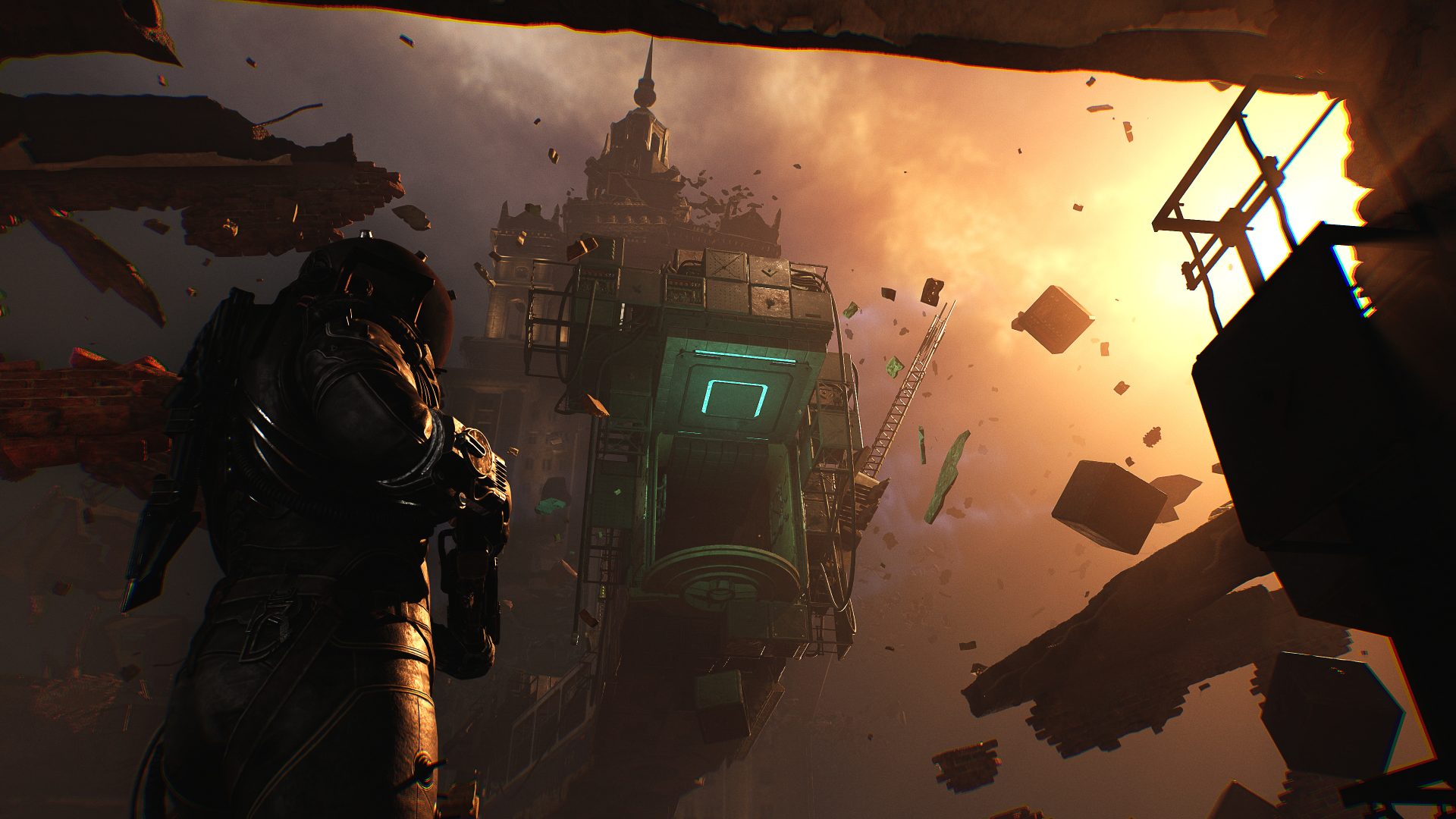
The offer, made public via a brief post on X, comes at a moment of crisis for New World. Amazon announced last month that it would no longer support the game after four years of development, citing unsustainable costs despite a modest but loyal player base. The decision left thousands of players and developers scrambling, but Facepunch’s intervention suggests a different path: one where games aren’t just products to be shut off, but living ecosystems sustained by their communities.
Facepunch’s vision for New World—if the deal goes through—is rooted in Rust’s playbook. The studio has long championed player-driven persistence, allowing communities to host and manage their own servers independently of corporate oversight. This model, which has kept Rust alive for over a decade despite its brutal reputation, could now be extended to Aeternum. If successful, it would set a precedent for how abandoned games can be rescued not by profit margins, but by grassroots ownership.

But the clock is ticking. Amazon still plans to keep New World operational until January 2027, meaning any negotiations—or competing bids—would need to move with extraordinary speed. The offer’s modest price tag ($25 million) raises questions about whether Facepunch sees this as a long-term investment or a strategic acquisition to repurpose the IP. Industry observers speculate that other buyers might emerge, potentially driving the price higher if the game’s assets hold significant value for rebranding.
The stakes are clear: New World isn’t just another title facing shutdown; it’s a test case for whether independent studios can outmaneuver corporate giants in preserving games. If Facepunch succeeds, it could redefine what it means to ‘save’ a game—one that refuses to die not because of market demand, but because its players refuse to let it.
For now, the offer remains a gambit. Amazon’s silence suggests hesitation, while the gaming community watches with a mix of hope and skepticism. Whether this ends in a rescue or another abandoned IP depends on whether Facepunch can turn a $25 million bet into something far greater.