A gaming mouse that skims the line between feather-light and fully enclosed is rare enough to warrant attention. The Lycan 8K from G-Wolves checks both boxes: it weighs just 28.8 grams while maintaining a solid, hole-free shell—a feat that avoids the extreme weight savings achieved by punching ventilation holes into the chassis.
This isn’t the lightest mouse on the market—G-Wolves’ own Fenrir Pro 8K, for example, clocks in at 18.4 grams—but it does sit below other notable ultralight options like Corsair’s Sabre V2 Pro (36 grams). The difference here is that the Lycan doesn’t compromise on structural integrity or feature set, which could make it a compelling choice for users who prioritize build quality over minimalism.
The mouse packs a Pixart PMW-3950 sensor, capable of up to 30K DPI and positioned forward for better tracking. It also supports 8K polling, a standard that’s becoming more common in high-end wireless mice. The switch configuration is SPDT/SR-Latch, which eliminates the need for debounce—a mechanical adjustment that can add latency. This means faster response times without the usual trade-offs.
Size-wise, it measures 119 x 63 x 37 mm, fitting comfortably in most hands. The buttons are just 7 mm from the mouse pad, and the underside appears stripped down to save weight, though no official images confirm its exact design. The lack of visible ventilation suggests a focus on reducing mass without sacrificing airflow or cooling performance.
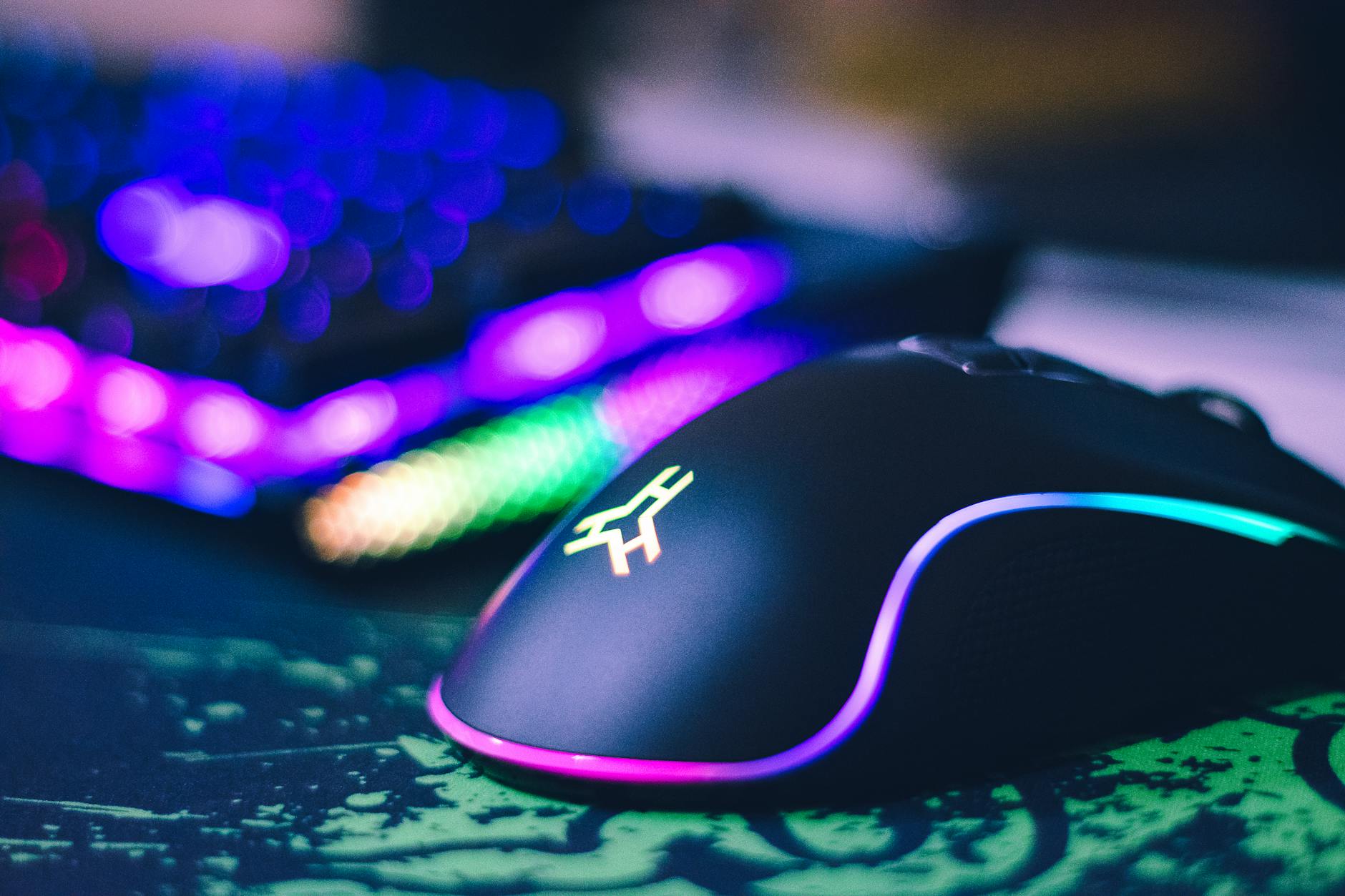
Key specs
- Weight: 28.8 grams (no hole-punch)
- Sensor: Pixart PMW-3950 (up to 30K DPI, forward position)
- Polling rate: 8K
- Switch type: SPDT/SR-Latch (debounce-free)
- Dimensions: 119 x 63 x 37 mm
- Price: $129 (preorder now, official launch March 15th)
The Lycan 8K’s real-world impact remains to be seen, but its weight and feature balance suggest it could appeal to competitive gamers who want precision without the structural weaknesses of hole-punched designs. Whether it delivers on performance parity with heavier mice is another question—early impressions will depend on how well G-Wolves manages thermal regulation in a fully enclosed shell.
Availability is set for March 15th, though a typo on the preorder page lists ‘March 15st.’ Pricing at $129 places it in the upper tier of wireless mice, so buyers will need to weigh whether the weight savings justify the cost over alternatives that don’t prioritize minimalism.