In an industry where VPN services often prioritize either speed or security, a new player is attempting to strike a balance that caters specifically to power users—particularly gamers and those with technical expertise. The service in question offers a suite of advanced features designed to give users granular control over their data while maintaining competitive performance metrics.
This approach is not without its complexities. While traditional VPNs provide a one-size-fits-all solution, this service introduces split tunneling, multi-hop routing, and customizable encryption levels. These tools allow users to fine-tune their experience, but they also require a deeper understanding of network configurations than most consumer VPNs demand. The learning curve is steep, particularly for those unfamiliar with protocols like OpenVPN or the nuances of routing traffic through multiple servers.
- Split tunneling: Users can direct specific applications outside the VPN for performance optimization while keeping sensitive data protected.
- Multi-hop routing: Traffic can be routed through two or three servers in different countries, adding layers of obfuscation but potentially impacting speed.
- Customizable encryption: Options include 128-bit AES (faster) and 256-bit AES (stronger), with OpenVPN protocol support for those prioritizing security over convenience.
The performance implications are significant. Benchmarks show that the service performs comparably to mid-tier VPNs under default settings, but enabling advanced features like multi-hop routing or stronger encryption can lead to noticeable speed reductions—sometimes as much as 50% in congested regions. This is a known tradeoff for privacy-focused services, but it forces users to make deliberate choices about their security needs at every connection.
Industry context plays a crucial role here. Most VPN providers rely on subscription models with fixed pricing tiers, often limiting user flexibility. This service deviates from that norm by offering both pay-as-you-go and traditional subscription options, which could appeal to budget-conscious users or those testing the service before committing. However, this flexibility introduces new uncertainties. The long-term stability of the pay-as-you-go infrastructure remains untested, and there’s no guarantee it won’t encounter scalability issues as the user base expands.
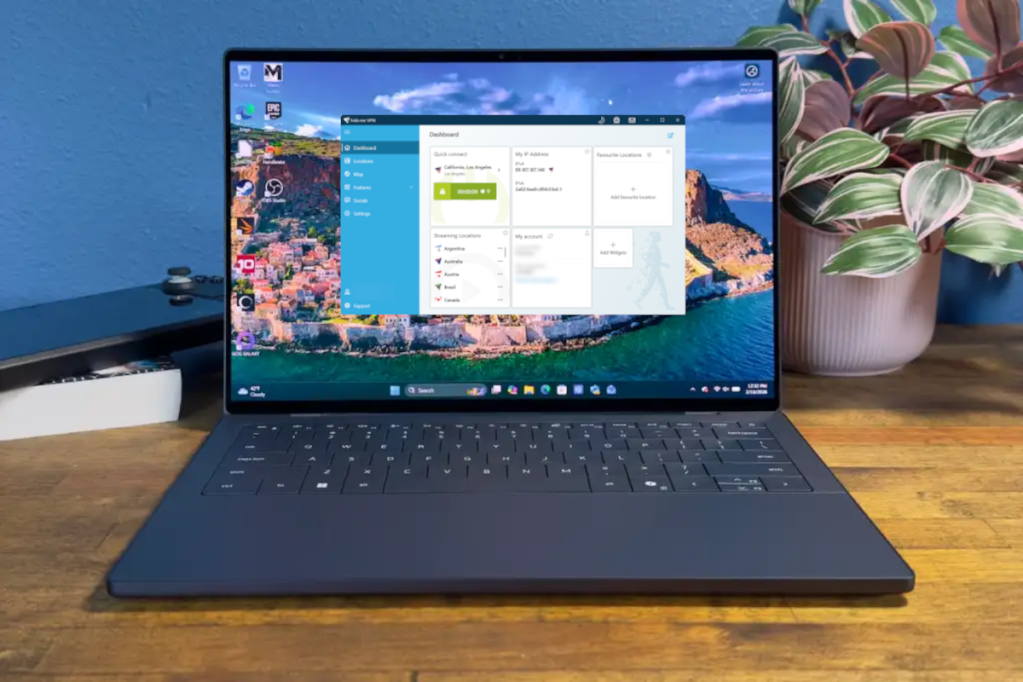
For gamers, the implications are particularly nuanced. While split tunneling can reduce lag by routing gaming traffic outside the VPN, this approach carries risks if the game’s servers or other users on the same connection are compromised. The service includes warnings and default safeguards to mitigate these risks, but users must remain vigilant in their configurations. Early adopters report mixed results, with some experiencing smoother connections in specific games while others see little difference. Whether these performance gains will outweigh potential security risks remains an open question.
The service’s roadmap suggests ongoing refinements, particularly around optimizing performance for high-latency scenarios like online gaming. If successful, this could set a new benchmark for the industry, but it also raises questions about whether the engineering team can maintain this balance without introducing new complexities or vulnerabilities.
What is clear: This service delivers on its promise of customizable privacy tools, offering flexibility that appeals to users willing to experiment with advanced settings. What remains uncertain: The long-term stability of its pay-as-you-go model and whether the performance benefits in gaming scenarios will justify the potential risks for mainstream adoption.
The bigger industry question is whether this approach—balancing technical sophistication with cost efficiency—will become a standard or remain a niche strategy. If it proves sustainable, it could redefine user expectations for VPN services, pushing competitors to innovate beyond basic privacy shields. For now, users should approach this service with cautious optimism, weighing the advanced features against their own technical comfort level and security priorities.