The semiconductor industry’s future is being written in Taiwan, where TSMC has just approved a historic $45 billion capital expenditure plan for 2026. This move isn’t just about maintaining the status quo—it’s a strategic overhaul to dominate the AI-driven chip boom while shoring up supply chains for industries from automotive to smartphones.
At its core, TSMC’s investment reflects the relentless demand for cutting-edge chips. The company’s January 2026 revenue hit NT$401.26 billion ($12.76 billion), a 36.8% year-over-year surge, proving that AI, mobile devices, and data centers are keeping factories humming. But revenue alone won’t sustain growth—it takes fabs, machines, and engineers to turn silicon into profit. The new spending plan allocates the bulk—70–80%—to advancing nodes like its upcoming A18 and A16 processes, with smaller but critical portions dedicated to advanced packaging and emerging technologies like silicon photonics.
What sets this apart from past expansions is the balance. While TSMC is doubling down on its crown jewels—advanced nodes like the 2nm and 3nm processes—it’s also reinforcing its mature node production. Automotive, IoT, and industrial clients rely on these older but high-volume chips, and TSMC’s ability to scale them without bottlenecks could redefine supply chain resilience.
Key specs: The $45 billion breakdown
- Total CapEx: $44.962 billion (record for TSMC)
- Advanced nodes allocation: 70–80% (prioritizing 2nm, 3nm, and future 1nm-class)
- Advanced packaging: 10–20% (critical for AI and mobile chips)
- Specialty tech: 10% (silicon photonics, mask-making upgrades)
- Mature node focus: Hundreds of thousands of wafers/month to avoid supply gaps
- Promotion: S.S. Lin (1nm-class R&D lead) named VP, signaling acceleration in A10-era tech
The financial commitment alone is staggering, but the real story is how TSMC is deploying it. The company’s original 2025 plan—$17 billion in Q1, $15 billion in Q2, and so on—was reshaped to front-load 2026. This shift suggests TSMC is preemptively addressing a looming crunch: AI chips aren’t just growing in complexity; they’re outpacing fabrication timelines. By accelerating 2nm production (already in pilot phases) and ramping up 3nm capacity, TSMC is positioning itself as the sole supplier capable of handling next-gen AI accelerators, GPUs, and even quantum computing prototypes.
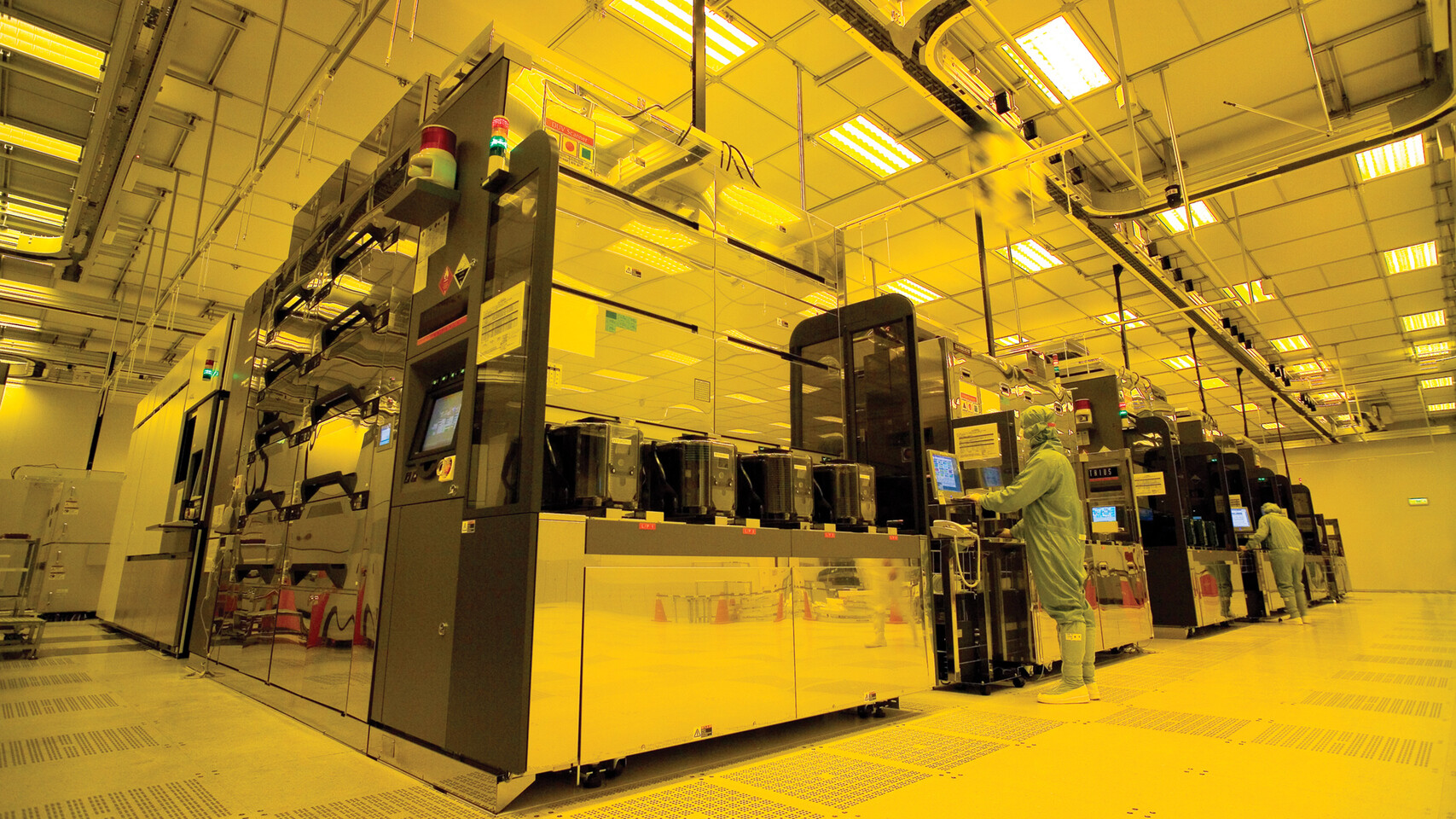
Yet, the mature node investments are equally telling. Automotive clients, for instance, demand millions of chips for electric vehicles and ADAS systems, but these require stable, high-volume production—not just bleeding-edge labs. TSMC’s decision to fortify its older nodes ensures it won’t become a bottleneck when a single Tesla or BYD order needs 10 million chips overnight.
Why it matters
For tech companies, this translates to two critical outcomes: first, a tighter grip on AI chip supply, reducing the risk of delays that have plagued NVIDIA and AMD in recent quarters; and second, a more diversified ecosystem. TSMC’s advanced packaging—used in Apple’s M-series chips and NVIDIA’s H100—is getting a dedicated boost, which could lower costs for stacked dies and improve performance in mobile and data center hardware.
The promotion of S.S. Lin, the architect behind TSMC’s 1nm-class roadmap, underscores another layer of strategy. With Lin now a Vice President, the A18 and A16 processes (expected in 2027–2028) may arrive faster than anticipated. These nodes aren’t just incremental upgrades; they’re designed for exascale computing and neuromorphic chips, areas where TSMC currently holds no competitors.
For consumers, the impact is indirect but profound. Cheaper, more efficient chips trickle down to faster smartphones, longer-lasting laptops, and even lower-cost EVs. But the bigger picture is industrial: TSMC’s moves ensure that no single industry—whether it’s cloud computing, autonomous vehicles, or 6G—will be left scrambling for chips when demand spikes.
With CES 2026 on the horizon, where AI and edge computing will dominate discussions, TSMC’s investment is a reminder that the real innovation happens long before a product launches. It’s in the fabs, the wafers, and the engineers who turn raw silicon into the backbone of the digital world.