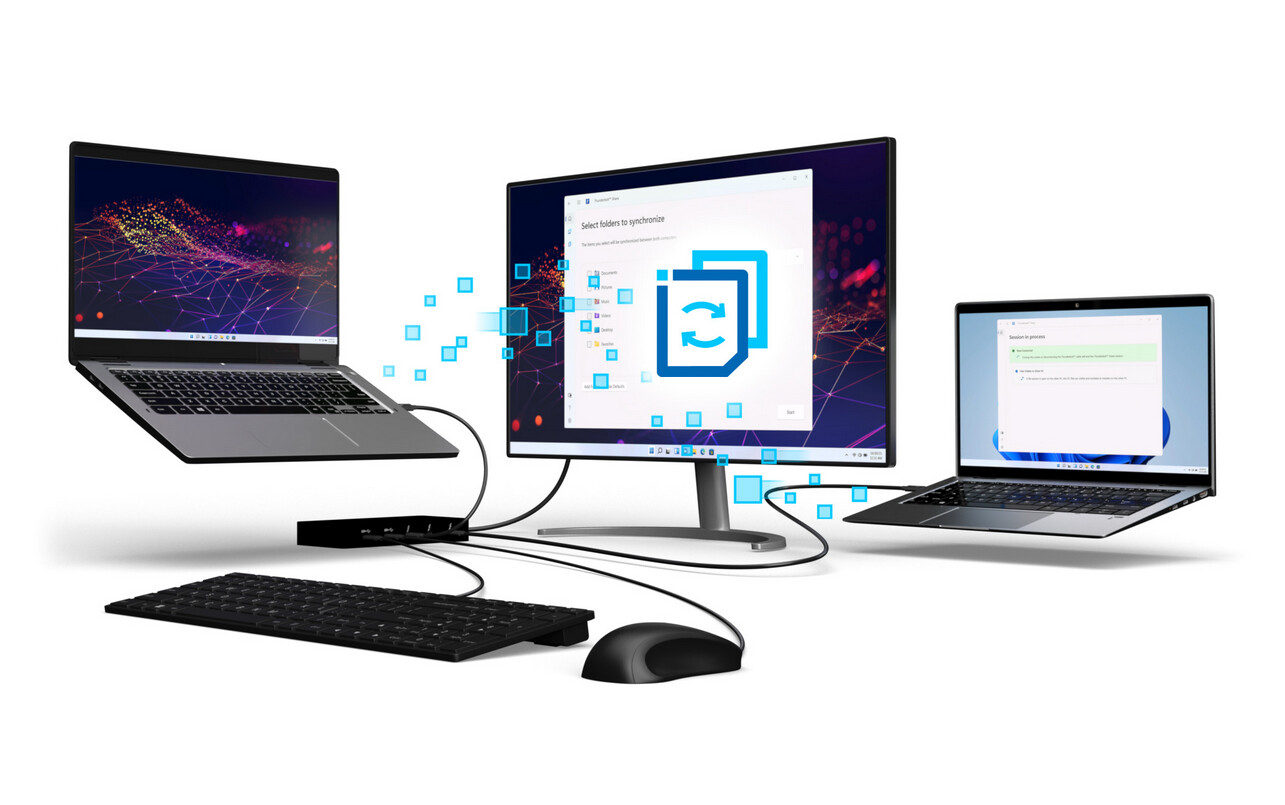
Small businesses looking to streamline data transfer between workstations now have a new option: Intel’s Thunderbolt Share. This protocol enables direct PC-to-PC file sharing, peripheral access, and device migration without traditional network setups—though adoption hinges on hardware compatibility.
The feature arrives as an official GUI-driven solution for Windows 11, mirroring earlier Linux support via USB4Stream but with stricter certification requirements. While the technology promises efficiency gains, its reliance on Thunderbolt Share-licensed components could create bottlenecks for businesses with mixed hardware fleets.
At a glance
- Compatibility: Requires Thunderbolt 4/5 ports or licensed accessories (docks, hubs). Only one device in the connection chain needs certification.
- Use cases: File transfers, peripheral sharing (e.g., monitors, GPUs), and system migration without network dependencies.
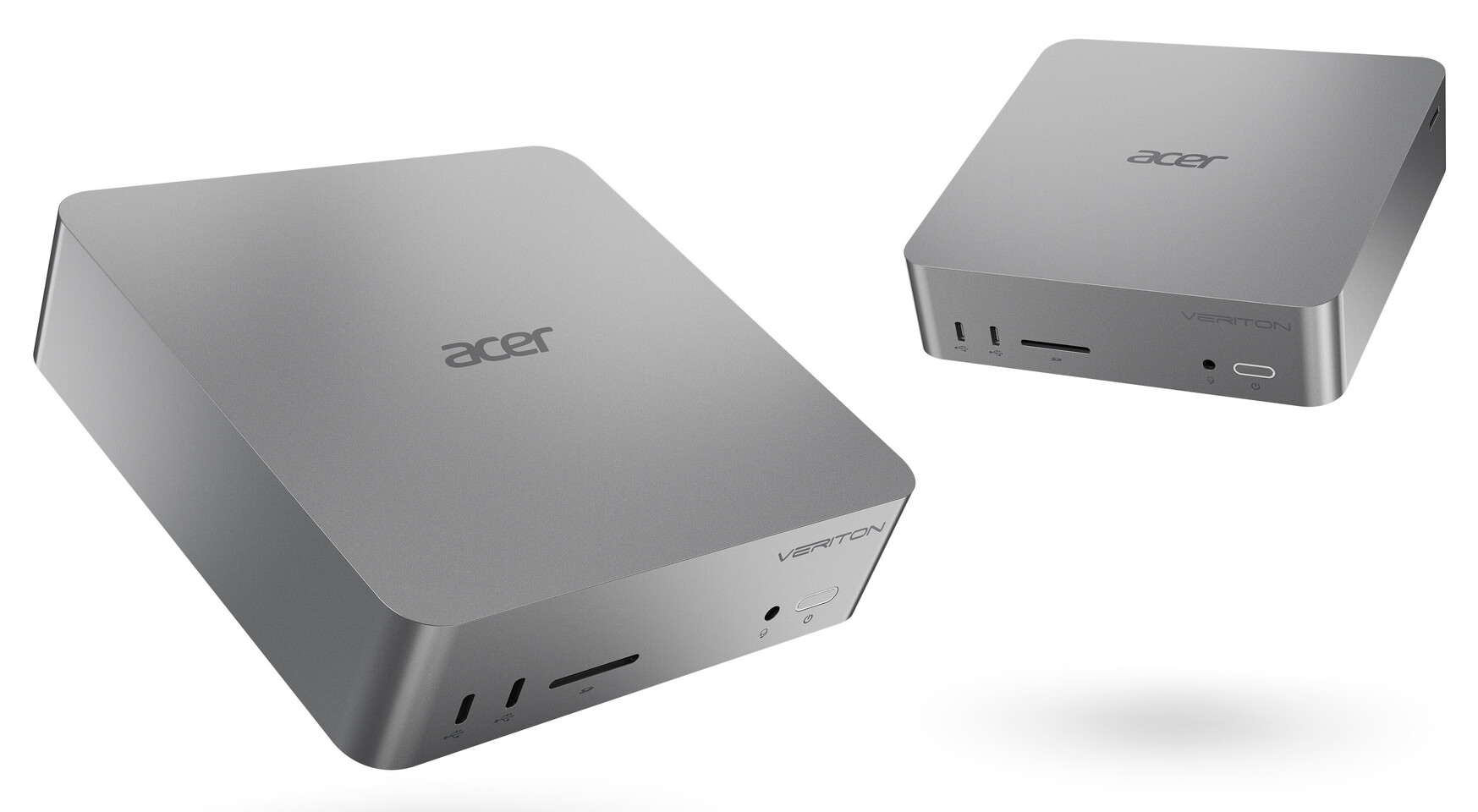
- Limitation: Current certified hardware is sparse: 9 ASUS/HP/Lenovo desktops, MSI laptops, and niche Thunderbolt docks/eGPU solutions.
- Performance: Leverages Thunderbolt 4’s 40 Gbps or 5’s 80 Gbps bandwidth for direct transfers.
The protocol’s strength lies in scenarios where network infrastructure is unreliable—such as remote fieldwork or hotel environments—but its practicality depends on whether businesses can afford the certified hardware. For now, Thunderbolt Share is available directly from Intel, with no confirmed pricing or timeline for broader adoption.
Market implications
For small businesses, this tool could reduce reliance on shared drives or VPNs, but the certification barrier may delay widespread use. Enthusiasts with compatible gear will benefit immediately, while others face a tradeoff: efficiency without the overhead of network setup or the cost of licensed peripherals.