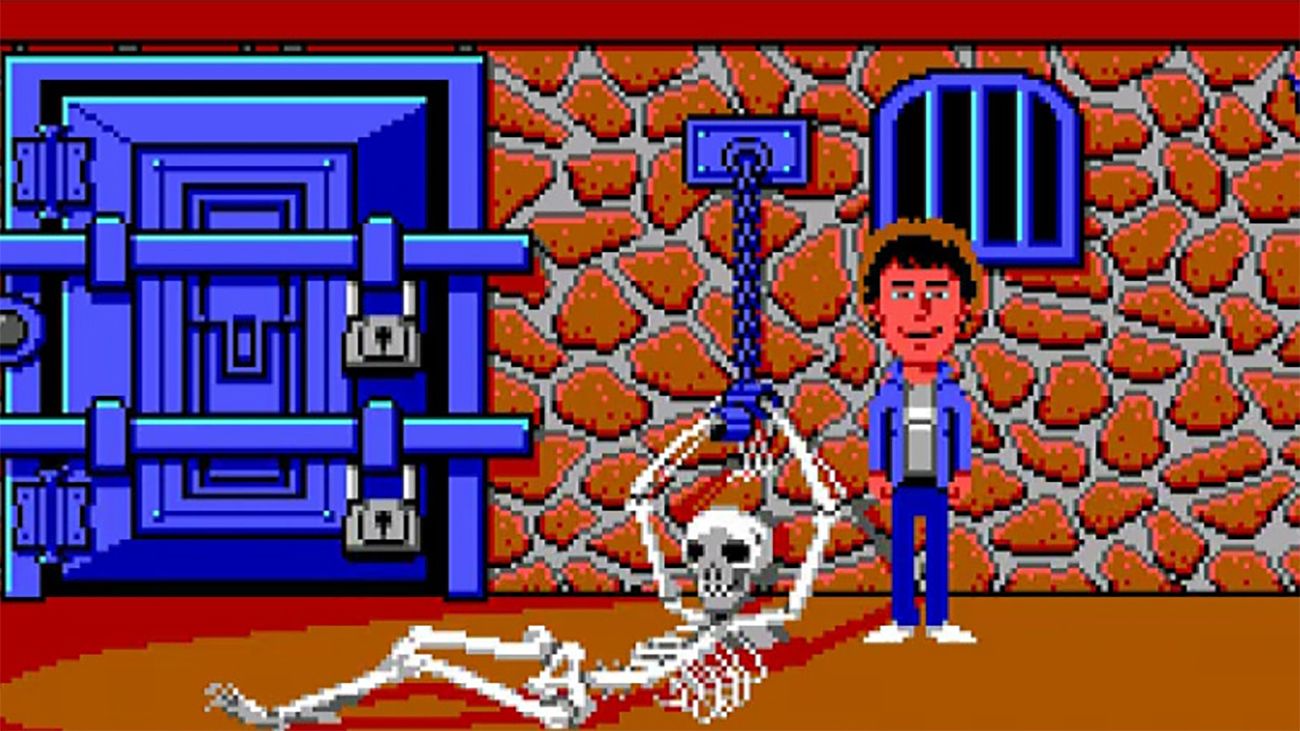
Completing a game without relying on external guides is rare enough, but doing so under strict time constraints and proctoring adds another layer of complexity. Last weekend’s Adventure Game Aptitude Test (AGAT) pushed that idea further by locking players into a four-hour window to beat Maniac Mansion—a 1987 Lucasfilm adventure known for its intricate puzzles and labyrinthine design—with no hints allowed.
Out of 831 attempts, only two gamers succeeded. The test’s creators designed it not just as a challenge but as an experiment in how modern players approach games when stripped of the crutches they often rely on: walkthroughs, speedrun guides, or even simple notes. The result was a pass rate of 0.24%, making it one of gaming’s most exclusive achievements.
Why Maniac Mansion was the perfect test subject
- Developed before modern gaming’s reliance on external aids, forcing players to engage deeply with dialogue and environmental clues.
- Its sprawling map and cryptic puzzles require precise memory recall, making it a benchmark for problem-solving under pressure.
- The four-hour time limit eliminated the possibility of brute-force attempts or repeated playthroughs without progress.
Even those familiar with Maniac Mansion faced unexpected hurdles. Remembering exact conversations, tracking inventory items across multiple scenes, and solving puzzles without prompts demanded a level of mental endurance that few could match. The test’s proctoring system, which monitored participants via webcam, ensured no cheating—though it also captured some humorous moments, like one player attempting to bribe their way to success (allegedly in jest).
A glimpse into gamer behavior
The low success rate wasn’t just about the game’s difficulty; it also reflected how modern players navigate challenges. Unlike traditional exams where failure can often be attributed to lack of preparation, this test removed every external resource a player might use. The two winners stood out for their speed and precision, whether due to exceptional memory retention or extensive preparation beforehand.
What this means for gaming’s future
The AGAT may not become a mainstream certification, but it serves as a case study in how games can measure skill without relying on external tools. For players, it’s a reminder that even with today’s abundance of guides and walkthroughs, true mastery still requires patience, observation, and a deep connection to the game itself.
For now, the AGAT remains an anomaly—a test so difficult that only a handful could pass. But its legacy might extend beyond Maniac Mansion, proving that in gaming, as in other fields, the hardest challenges often yield the most rewarding achievements.