The Core i9-14900KS stands out as one of the most capable desktop processors on the market, offering significant leaps in performance compared to its predecessors. For IT teams responsible for maintaining high-performance workstations, this processor represents a compelling option—especially when paired with workloads that demand heavy multi-threading and sustained clock speeds.
Unlike many high-end CPUs that prioritize efficiency or power savings, the 14900KS is built for raw performance. It maintains a base clock of 3.2 GHz but can sustain all 24 cores at 5.7 GHz under load, a figure that translates directly to real-world gains in rendering, simulation, and other CPU-intensive tasks. The previous generation’s i9-13900KS, while still powerful, maxed out at 5.6 GHz on all cores, meaning the 14900KS offers nearly 200 MHz more headroom in the most demanding scenarios.
That’s the upside—here’s the catch. The 14900KS is not just faster; it also consumes significantly more power and generates more heat. Its TDP is rated at 157 watts, but under sustained loads, actual power draw can approach or exceed 300 watts. This means IT teams must invest in robust cooling solutions—whether liquid cooling or high-end air coolers—and ensure their power delivery systems can handle the load without throttling.

- Core/Thread: 24 cores, 32 threads
- Base Clock: 3.2 GHz
- Max Turbo Frequency (All Cores): 5.7 GHz
- TDP: 157W (but can reach up to 300W under load)
- Cache: 36 MB L2 + 48 MB L3
- Process Node: Intel 7 (10nm Enhanced SuperFin)
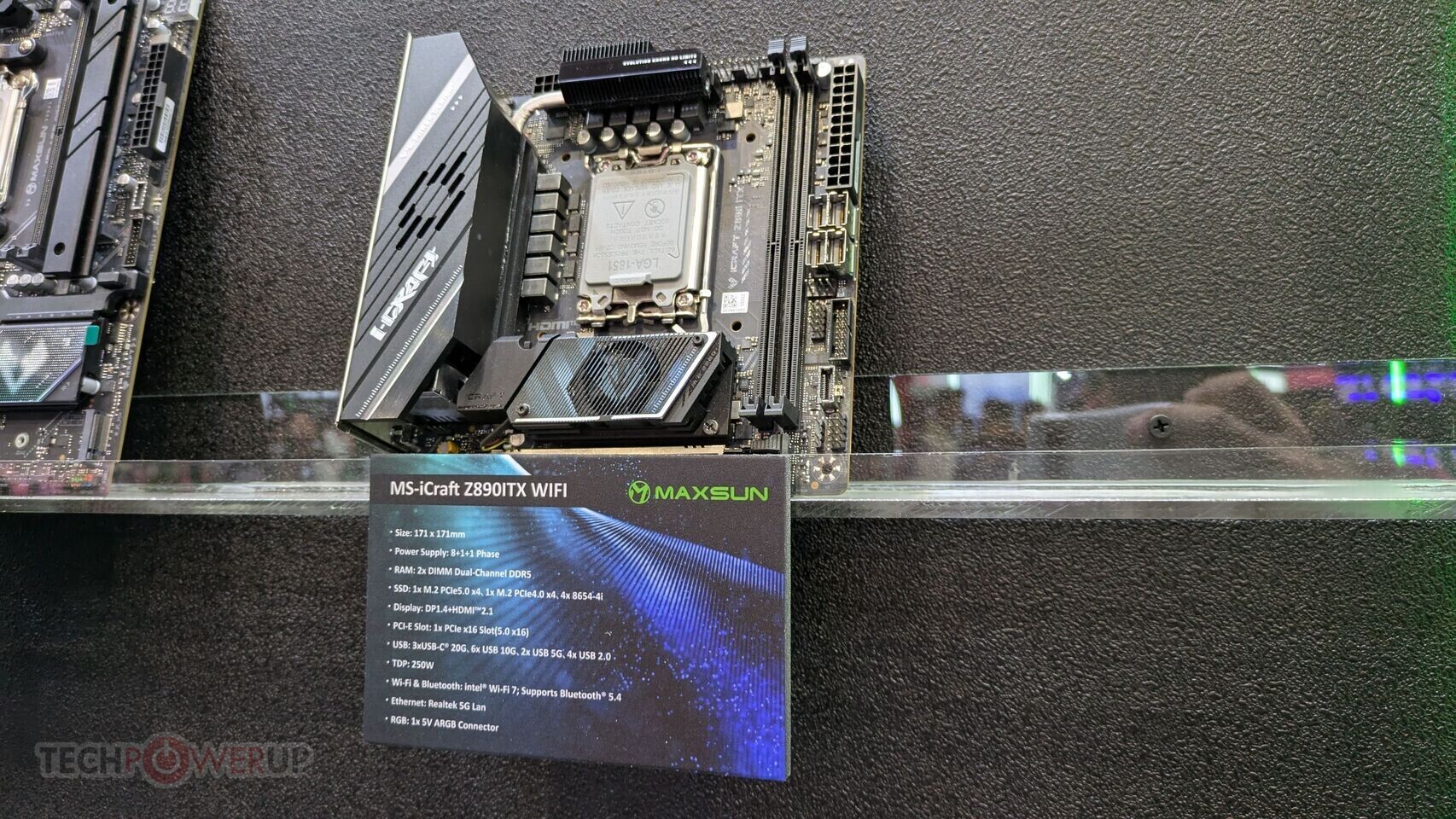
- Socket: LGA 1700
The processor’s architecture also introduces some practical considerations. While the 24-core configuration is ideal for workloads like 3D rendering, video editing, or scientific simulations, it may not be necessary—or cost-effective—for all IT environments. Teams running workloads that don’t fully utilize all cores might find the performance-per-watt tradeoff less favorable compared to mid-range options like the Core i7-14700K.
For those who do need maximum performance, however, the 14900KS delivers where it matters most. Its ability to sustain high clock speeds across all cores without significant thermal throttling makes it a standout in benchmarks. In real-world scenarios, this translates to faster project completion times and more efficient resource utilization—critical factors for IT teams managing tight deadlines.
When deciding whether to upgrade, the key question is whether the workload justifies the power and cooling requirements. For high-end workstations where performance is non-negotiable, the 14900KS is a clear winner. But for environments where efficiency or budget constraints play a larger role, alternatives may offer better balance.