For years, the 1TB SSD was a staple of mid-range builds—offering a balance of capacity and cost that made it the default choice for gamers, content creators, and everyday users alike. That balance is now under threat. Prices for these drives have begun to climb, mirroring the upward trend already seen in high-end models, and experts suggest this shift will accelerate rather than stabilize.
SSD pricing has long been a barometer of broader market forces—supply chain adjustments, raw material costs, and manufacturing demand all play their part. But recent data points to a more aggressive correction than anticipated. The days of sub-$100 1TB NVMe drives appear to be numbered, with some models already hovering near the $120 mark. This isn’t just a minor uptick; it’s a structural change that could redefine what consumers expect from storage performance.
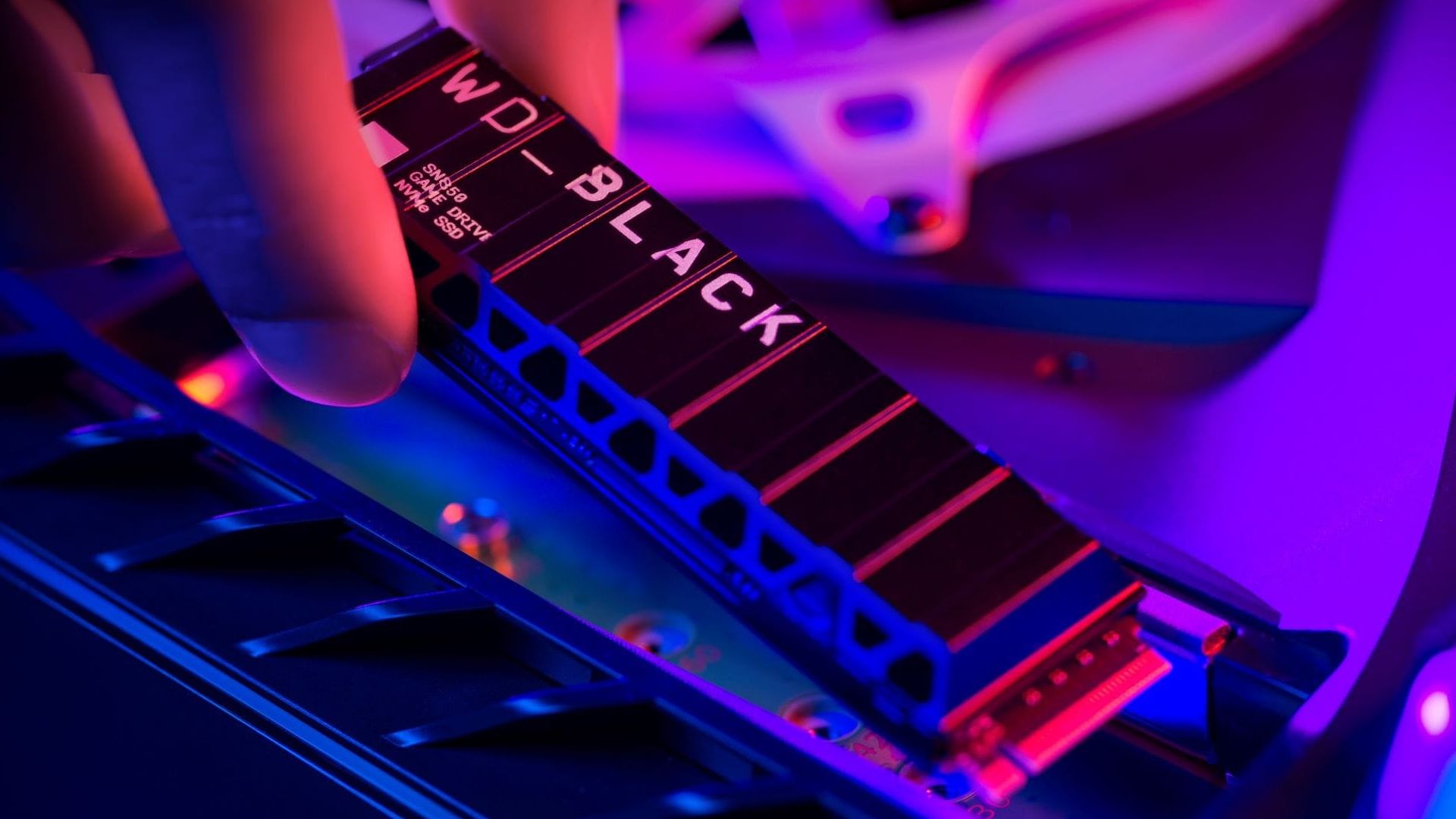
So why does this matter? Speed and capacity have become non-negotiable for modern workloads. A 1TB SSD, once seen as generous, now feels like the minimum viable standard—especially when paired with faster PCIe 4.0 or 5.0 interfaces. The gap between a budget drive and a high-performance unit has narrowed, but the price premium hasn’t kept pace. If current trends hold, that premium will widen, leaving buyers with fewer options to meet their needs without stretching budgets.
For those already planning an upgrade, the message is clear: act now. The three most compelling options on the market today—each offering a mix of speed, endurance, and value—are designed to bridge this transition period. One stands out for its raw performance, another for its reliability in demanding workloads, and a third for striking a balance between cost and capability. None are guaranteed to stay at their current prices much longer.
The question isn’t whether SSD prices will rise; it’s how quickly the market will adjust—and whether consumers will be left scrambling or positioned ahead of the curve. The window for affordable 1TB capacity is closing, but the tools to take advantage of it are still available.