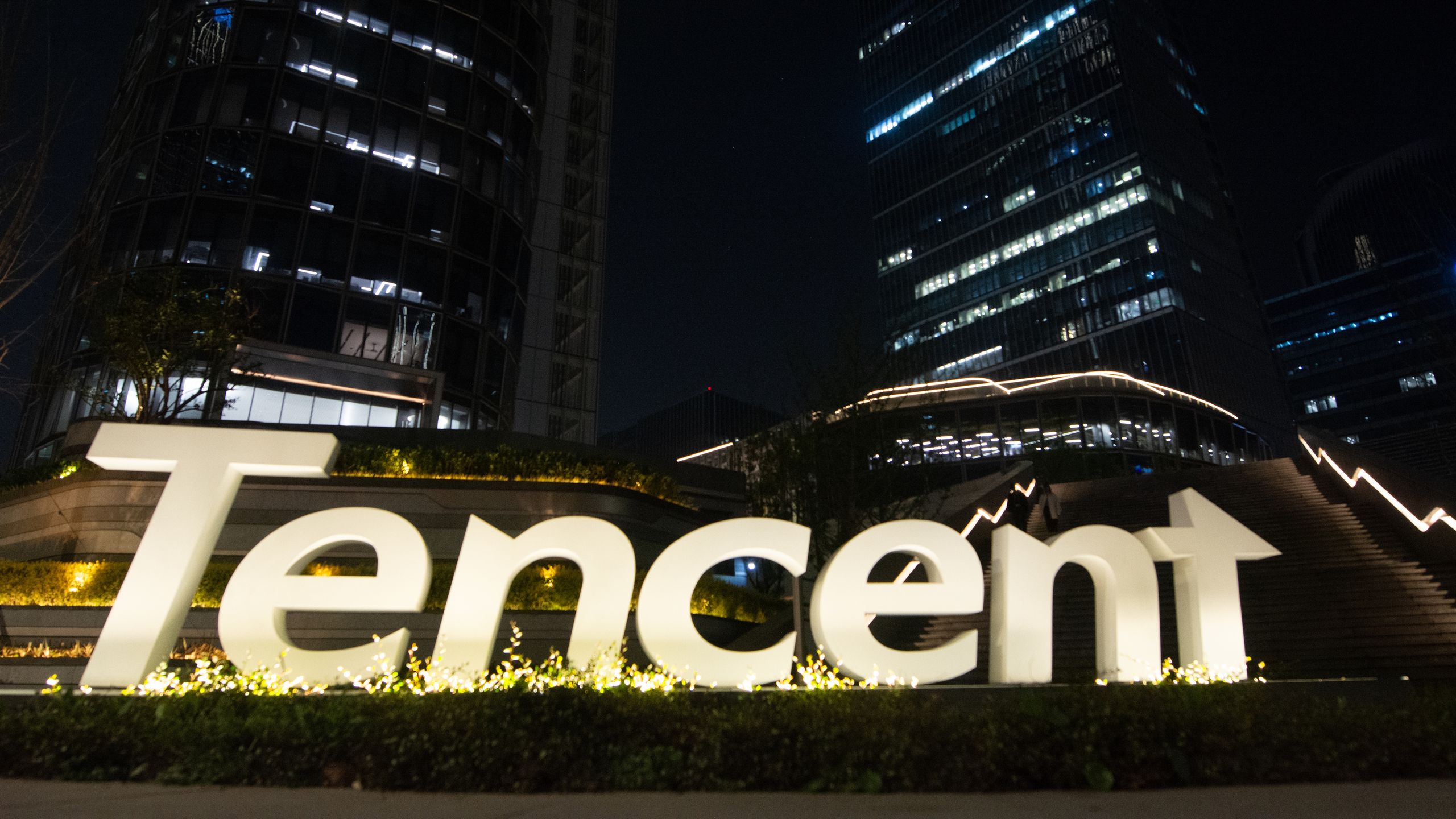
Tencent’s extensive portfolio of US-based game studios—including Riot Games, Digital Extremes, and Inflexion Games—could soon face mandatory sell-offs if the US government determines that these investments pose a national security risk. The debate comes as officials weigh whether Tencent’s access to player data could be exploited in ways that compromise US citizens’ privacy, a concern that has gained urgency in recent months.
Sources close to the discussion indicate that cabinet-level talks were originally scheduled for this week but were delayed due to scheduling conflicts. This delay coincides with high-stakes diplomatic engagements between the US and China, adding geopolitical weight to the issue. The government’s scrutiny is not new; similar concerns surfaced in 2020 under the previous Trump administration, leading to prolonged negotiations that ultimately allowed Tencent to retain its stakes—though it was later designated a Chinese military company by the Department of Defense.
The implications for the industry could be significant. Tencent’s investments span some of the most prominent names in gaming, including partial ownership in Epic, Larian, FromSoftware, Krafton, Ubisoft, and Remedy, among others. A forced divestment would create a void that could destabilize these studios, potentially leading to acquisitions by private equity firms—a trend that has already raised alarms in other sectors, from retail to digital media.
Industry ripple effects
The games industry is particularly vulnerable to such disruptions. Private equity’s track record in other markets—ranging from the collapse of retail chains like Party City to the financial unraveling of healthcare systems—suggests that a similar shift in gaming could have long-term consequences. Studios built on Tencent’s backing, for example, might face aggressive cost-cutting measures or shifts in creative direction if new owners prioritize short-term returns over sustainability.
Data access and diplomatic tensions
The core of the government’s concern centers on whether Tencent, as a Chinese entity, could leverage its position to access sensitive player data—information traditionally reserved for US-based companies or government agencies. This echoes broader debates about data sovereignty in tech, where concerns over foreign influence have led to scrutiny of platforms like TikTok and Microsoft’s cloud services.
While the outcome remains uncertain, the potential fallout extends beyond Tencent. Smaller studios with existing ties to the conglomerate may find themselves caught between regulatory pressures and financial instability if investors pull back. The industry has already shown signs of strain, making this a particularly delicate moment for its future.
The next steps will likely hinge on whether the government can reach a resolution before diplomatic tensions escalate further. For now, the focus remains on how to balance national security with the economic realities of an industry that relies heavily on international capital.