Surface devices are getting a performance upgrade with the arrival of Snapdragon X2 processors, but the shift comes with trade-offs that could leave some users reaching for a higher-priced tier.
The new Surface Pro (13-inch) and Surface Laptop (13.8-inch and 15-inch) models, announced today, are the first in the lineup to adopt Qualcomm’s ARM-based chip, promising up to 53% faster graphics performance over previous generations. However, the base configurations start at $1,499 for the Pro and $1,599 for the Laptops, with storage options that begin at just 256 GB—an amount Microsoft itself now recommends avoiding unless users are certain they won’t need more.
Specs and price points: a balancing act
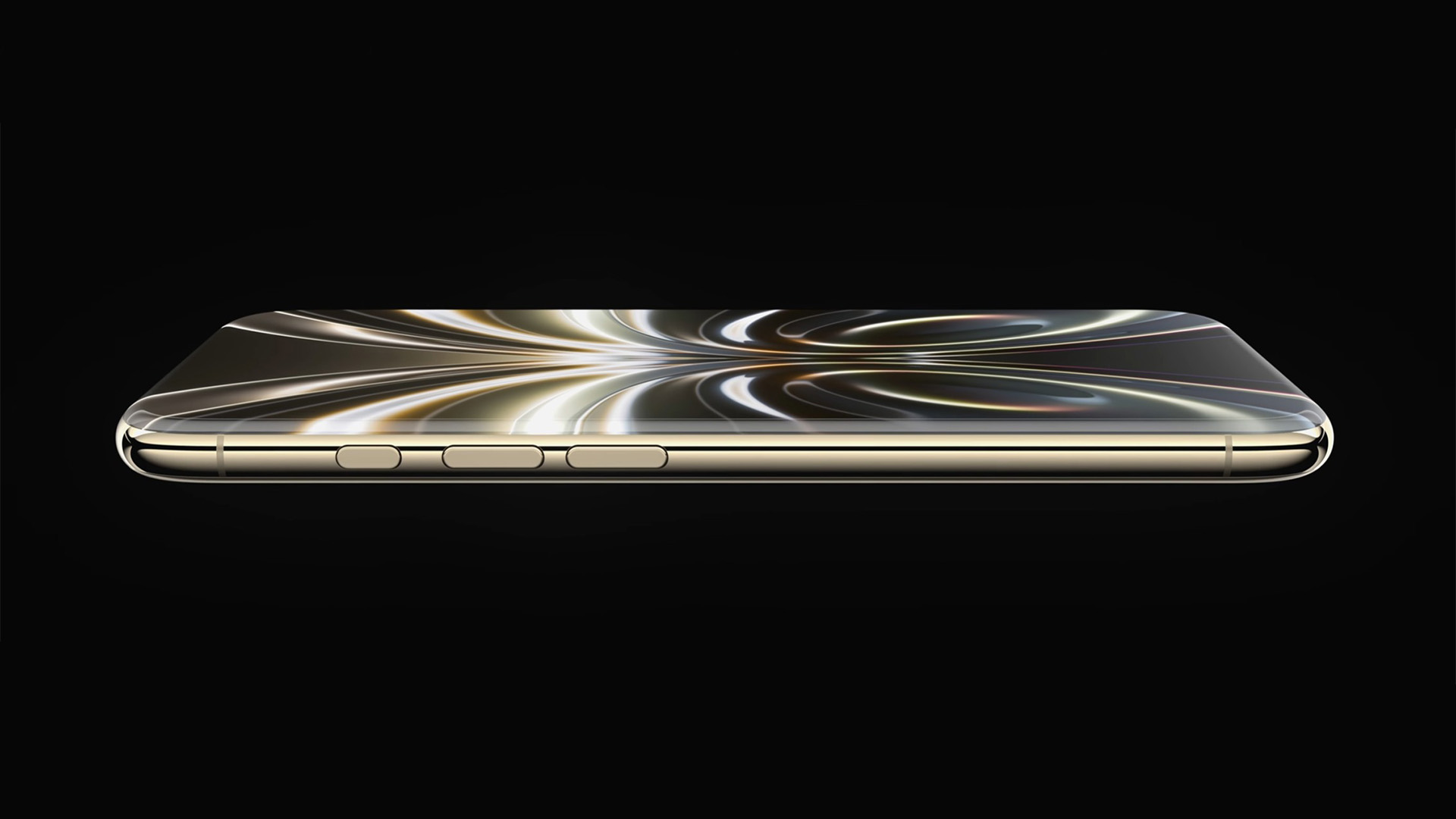
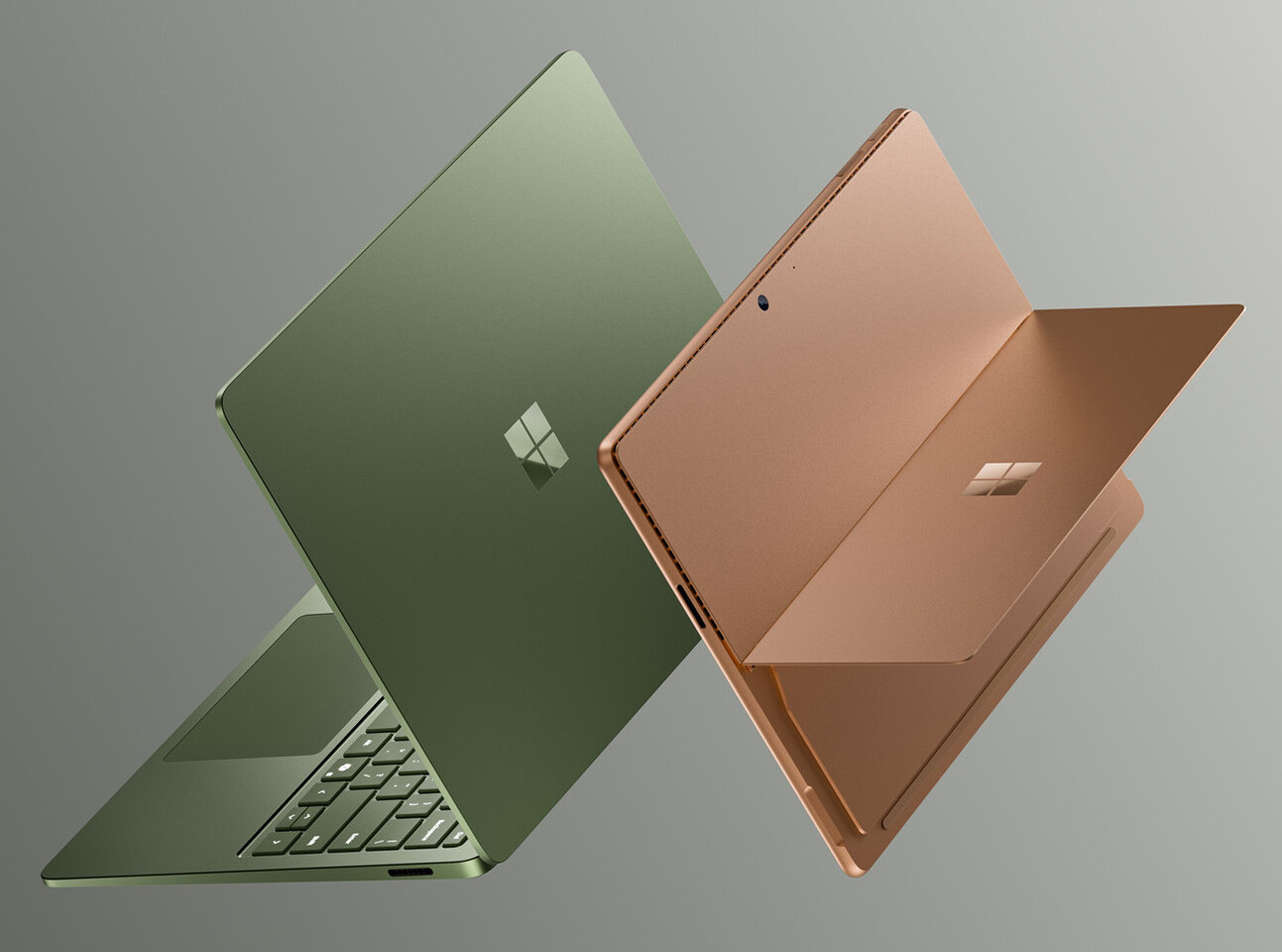
The Surface Pro 13-inch (starting at $1,499) combines the flexibility of a 2-in-1 tablet with the power of Windows, featuring up to 53% faster graphics performance thanks to the Snapdragon X2. It also delivers up to 15.5 hours of battery life and an optional OLED display for deeper blacks and higher contrast. The device is available in Platinum, Black, and Dune, with a new Dune-colored Slim Pen for precise input.
On the laptop side, the Surface Laptop 13.8-inch (starting at $1,599) and 15-inch (also starting at $1,599) models offer up to 20 hours of battery life on the smaller screen and 19 hours on the larger one. The 15-inch model features a sharper display with 262 PPI for greater detail. Both come in Platinum, Black, Dune, and a new Jade color option. Microsoft’s No. 1 ranked laptop camera by DXOMARK is standard across all models.
Storage: the elephant in the room
The most notable aspect of these new models isn’t their performance gains but what’s missing: storage capacity. The base configurations for both the Surface Pro and Laptop start with just 256 GB, a far cry from the 32 GB RAM recommendation Microsoft itself made just last month. Upgrading to 512 GB adds $200, while the top-tier option is 1 TB, though no price was listed for that tier.
- Surface Pro 13-inch: starting at $1,499 (MSRP), with storage options of 256 GB, 512 GB, and 1 TB.
- Surface Laptop 13.8-inch: starting at $1,599 (MSRP), same storage tiers as the Pro.
- Surface Laptop 15-inch: also starting at $1,599 (MSRP), with identical storage options.
This approach contrasts sharply with Microsoft’s own guidance, which now suggests 32 GB RAM as a ‘no worries’ upgrade for Windows 11 users. The lack of higher base storage could force users to pay more upfront or risk running out of space quickly, especially for AI workloads that benefit from local processing.
AI and efficiency: built for hybrid workflows
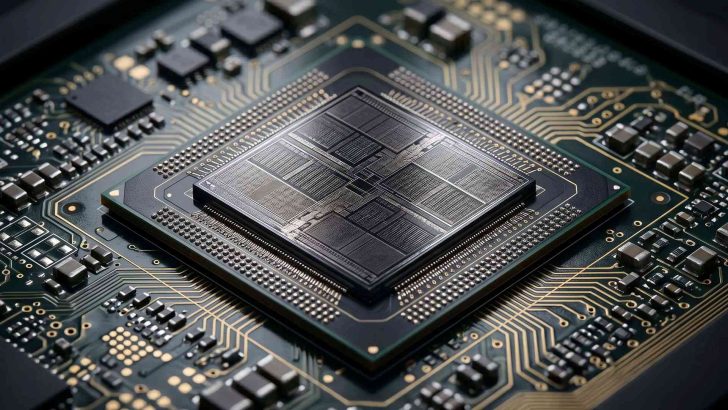
Under the hood, these new Surface devices are designed with AI in mind. The Snapdragon X2 processors feature dedicated NPU (neural processing unit) silicon, allowing for on-device inference while still supporting cloud-scale processing when needed. This hybrid approach is aimed at users who move between local and cloud workloads, whether they’re running models locally or collaborating across time zones.
Microsoft also highlights advanced haptics in the touchpad and Slim Pen, providing subtle feedback that enhances precision during tasks like window snapping or video scrubbing. Additionally, Affinity, a professional-grade design and photo suite, is pre-installed on both new devices, optimized for Surface hardware.
Sustainability and repair: built to last
The new Surface models are also designed with sustainability in mind. Both the Laptop and Pro feature 100% recycled aluminium enclosures, reducing reliance on virgin materials. They’re also ENERGY STAR certified, outperforming efficiency baselines by at least 50%. For users who need repairs, Microsoft’s Surface Repair Tool offers guided workflows for eligible parts like the battery, display, and motherboard.
What’s next: performance gains but practical hurdles
The shift to Snapdragon X2 processors marks a significant evolution for Surface, aligning it more closely with other ARM-based platforms while maintaining Windows compatibility. However, the storage trade-offs and higher starting prices could limit adoption among users who prioritize cost efficiency.
For enterprises, the new models offer integrated privacy screens and enterprise features announced earlier this year, but the lack of higher base storage may prompt some organizations to opt for more expensive configurations or stick with existing devices. The availability window for business customers begins July 14, while general availability starts today.
The bigger question is whether Microsoft can convince users that the performance gains justify the premium price—and whether the storage constraints will become a dealbreaker in an era where data demands are only growing.