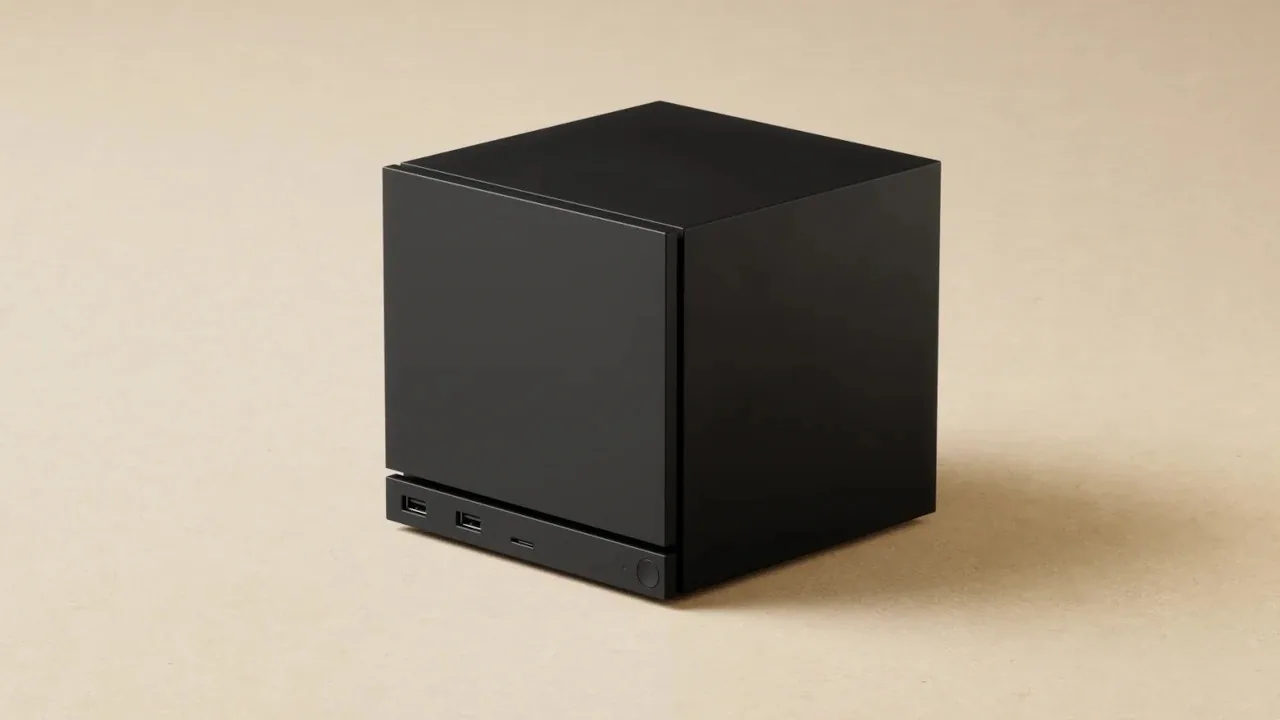
Valve’s upcoming Steam Machine is being treated by Sony as more than just another competitor—it’s a system that could redefine how games are built and sold, according to an industry insider with deep ties to Microsoft’s Xbox division. The shift isn’t about raw performance or exclusives alone; it’s about Valve’s ability to blend PC flexibility with console convenience, creating a platform that traditional consoles may struggle to match.
Current RAM costs are already pushing the Steam Machine toward a price point well above current-generation consoles like the PlayStation 5. Yet the system’s architecture—with its promise of hardware tiers ranging from $500 to $5,000 and a no-questions-asked return policy for unused games—hints at a long-term play rather than a one-time launch. That approach may force Sony to rethink its own exclusivity strategy, especially if Valve can deliver on its claims of seamless cross-device play and family-sharing features.
For engineers working on data-heavy or AI-driven workloads, the Steam Machine’s potential lies in its ecosystem. Unlike traditional consoles, it won’t be tied to a single hardware revision; instead, it will run SteamOS, allowing for future-proofing through software updates. This flexibility could make it an attractive option for developers who want to avoid platform lock-in while still targeting living-room displays.
Specs and strategy
- Hardware tiers: $500 (entry) to $5,000 (high-end).
- RAM capacity: Not specified, but current market trends suggest 16 GB minimum.
- Storage: Likely SSD-based, with expandable options.
- Software stack: SteamOS, designed for cross-device compatibility.
- Key features: 3-hour game return policy, family-sharing library, and third-party hardware flexibility.
The high-end tier, in particular, could appeal to professionals who need robust processing power without the constraints of a fixed console architecture. But whether Valve can sustain this range without alienating its core audience remains an open question. Previous generations of Steam Machines faced criticism for overpromising on hardware, and this iteration must prove it can deliver both performance and value.
Ecosystem lock-in vs. freedom
Sony’s perceived shift away from PC support—with first-party games like Ghost of Yotei and Marvel’s Wolverine skipping the platform—suggests a growing comfort with its console ecosystem. Valve, however, is taking a different path: one that prioritizes software over hardware. This could mean fewer exclusives but more flexibility for developers to port or adapt their work across devices.
For teams already invested in Windows-based workflows, the Steam Machine’s potential to run full PC games on living-room hardware could be a game-changer. But the trade-off is clear: the convenience of a console comes with the risk of being left behind if Valve doesn’t commit to long-term software support. Engineers will need to decide whether the ecosystem’s promise outweighs the uncertainty.
The biggest beneficiaries may not be gamers at all but developers who want to avoid vendor lock-in while still targeting high-refresh displays and controller-friendly interfaces. If Valve executes this correctly, it could force Sony—and Microsoft—to rethink how they balance exclusivity with platform openness. That, more than any single spec sheet, is what makes the Steam Machine worth watching.