Samsung’s DRAM operations face an unprecedented threat that could reshape the semiconductor market. A labor dispute at its South Korean production sites is on track to escalate from an 18-day walkout into a full 36-day shutdown, with industry analysts warning of a $20 billion revenue hit if no resolution emerges soon. The implications stretch far beyond Samsung’s balance sheet—consumers could see sharp price hikes for devices reliant on DRAM, while manufacturers scramble to secure components for next-generation products.
- A 36-day shutdown at Samsung’s DRAM plants would cost the company $20 billion in lost revenue.
- Global DRAM shortages would worsen, with prices rising across consumer electronics and data center hardware.
- Manufacturers may face prolonged lead times for memory chips, delaying AI-driven and high-performance products.
- The strike risks deepening an already fragile semiconductor supply chain, affecting multiple industries simultaneously.
The dispute centers on labor conditions at Samsung’s DRAM production facilities. If the current walkout isn’t resolved quickly, the company could lose nearly a month of output—a significant disruption for an industry already grappling with tight supply and rising demand for memory chips. DRAM serves as the backbone of modern computing, powering everything from smartphones to data centers, making any prolonged shortage a critical concern.
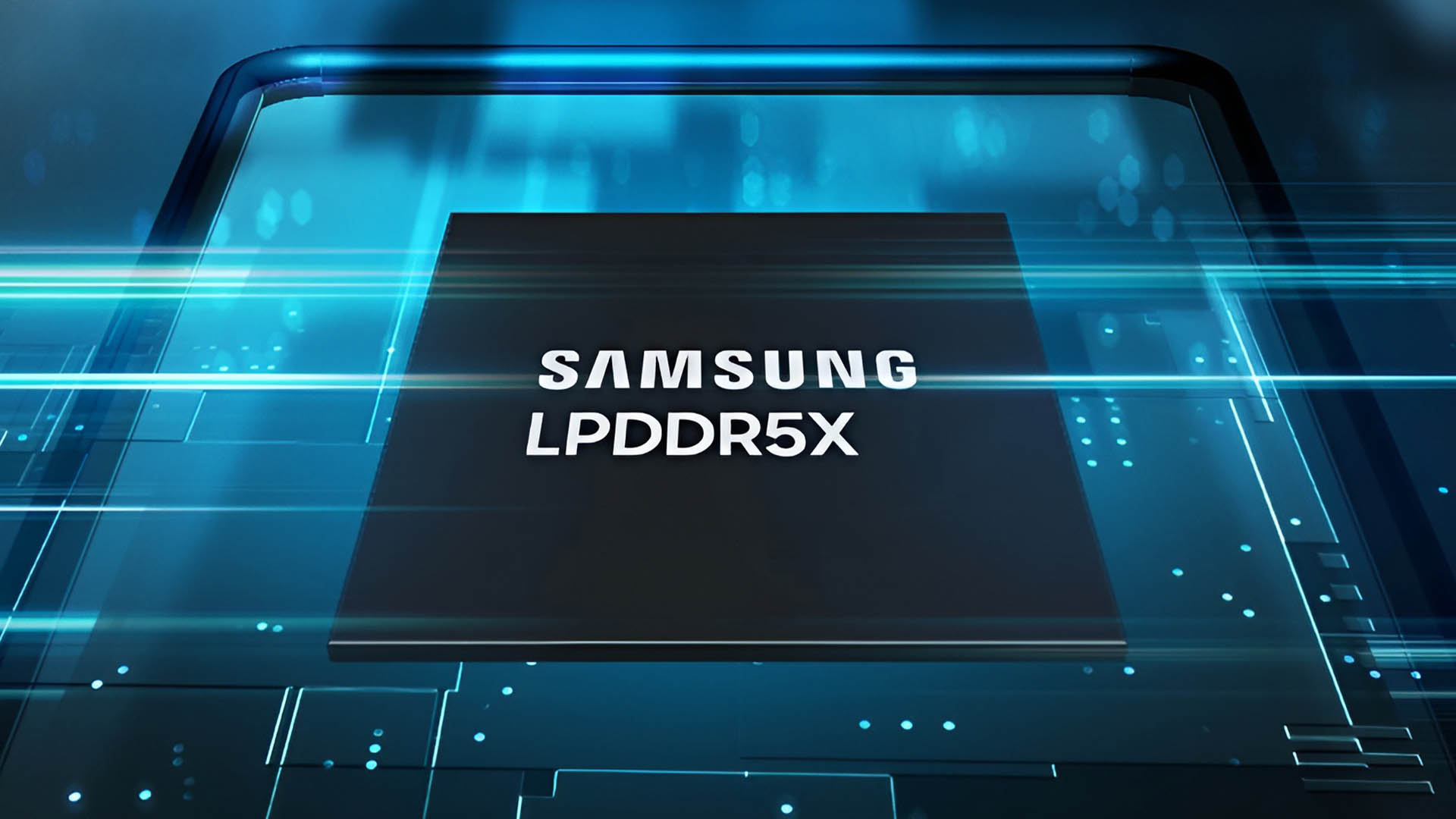
For Samsung, the financial fallout would be immediate and severe. A 36-day shutdown would erase billions in revenue at a time when global demand for memory remains strong, particularly amid the rise of AI-driven hardware. The company, which has been navigating rising production costs and intense competition, would face pressure to either negotiate a swift resolution or explore alternative supply chains—a complex and time-consuming process.
Consumers may not see the impact right away, but the effects could be long-lasting. DRAM shortages have already contributed to price volatility in recent years, and any prolonged disruption would only intensify the problem. Manufacturers planning next-generation products—from AI-powered devices to high-performance gaming systems—may find themselves scrambling for components, leading to delays and higher costs for end users.
The bigger question is whether this strike will become a pivotal moment for Samsung’s labor relations or if it will be resolved before the 36-day mark. Regardless, the tech industry is watching closely, knowing that every day of inaction brings the market one step closer to a widespread DRAM crunch—a scenario that could have far-reaching consequences for both consumers and businesses alike.