When NVIDIA’s RTX 5090 Lightning and MSI’s new AI-powered PSUs hit shelves, one recurring nightmare for enthusiasts will finally get a technical solution: a 16-pin connector failure. MSI’s Afterburner 4.6.7, now available, automatically detects unstable 12V-2x6 power connections and slashes GPU power limits to 75%—preventing the kind of catastrophic damage seen with early RTX 40-series cards.
This isn’t just a reactive fix. The update also integrates deep monitoring for MSI’s upcoming MPG Ai1x00TS PSUs, which feature per-pin current balancing and firmware-level alerts for imbalanced loads. If a connector pin draws too much current—or if current skews unevenly across pins—the software can trigger alarms, load a safeguard profile, or even shut down the system before hardware burns out.
The Myth: ‘Just Use a Better Cable’
For years, users blamed flimsy cables or poor PSU design for 16-pin failures. While those factors still matter, the real culprit is often current imbalance—where one pin in a 12V-2x6 connector handles disproportionate load, overheating while others remain cool. MSI’s new PSUs and Afterburner’s safeguards now address this at both hardware and software levels.
What’s Actually Changing
Key improvements in 4.6.7 include
- Automated 16-Pin Safeguard: Detects voltage drops or current spikes in 12V-2x6 connectors and enforces a 75% power limit on NVIDIA GPUs (or -25% on AMD cards) until the issue is resolved.
- AI PSU Support: Native monitoring for MSI’s MPG Ai1x00TS series, which uses firmware to track per-pin current and flag imbalances before they cause damage.
- Emergency Profiles: Command-line tools to load preconfigured power-limit profiles or display custom warnings when alarms trigger.
- V/F Curve Overhaul: Adjustable node sizes, zoom/panning, and linear interpolation for finer overclocking control.
- GPU Safeguard+: A one-click option to enable all critical alarms (sound, profile swaps, shutdowns) for 16-pin connectors.
For users of the RTX 5090 Lightning, this means MSI is treating the 16-pin connector not as an afterthought but as a monitored subsystem. The AI PSUs, meanwhile, go beyond traditional safeguards by actively balancing loads across pins—a first for consumer power supplies.
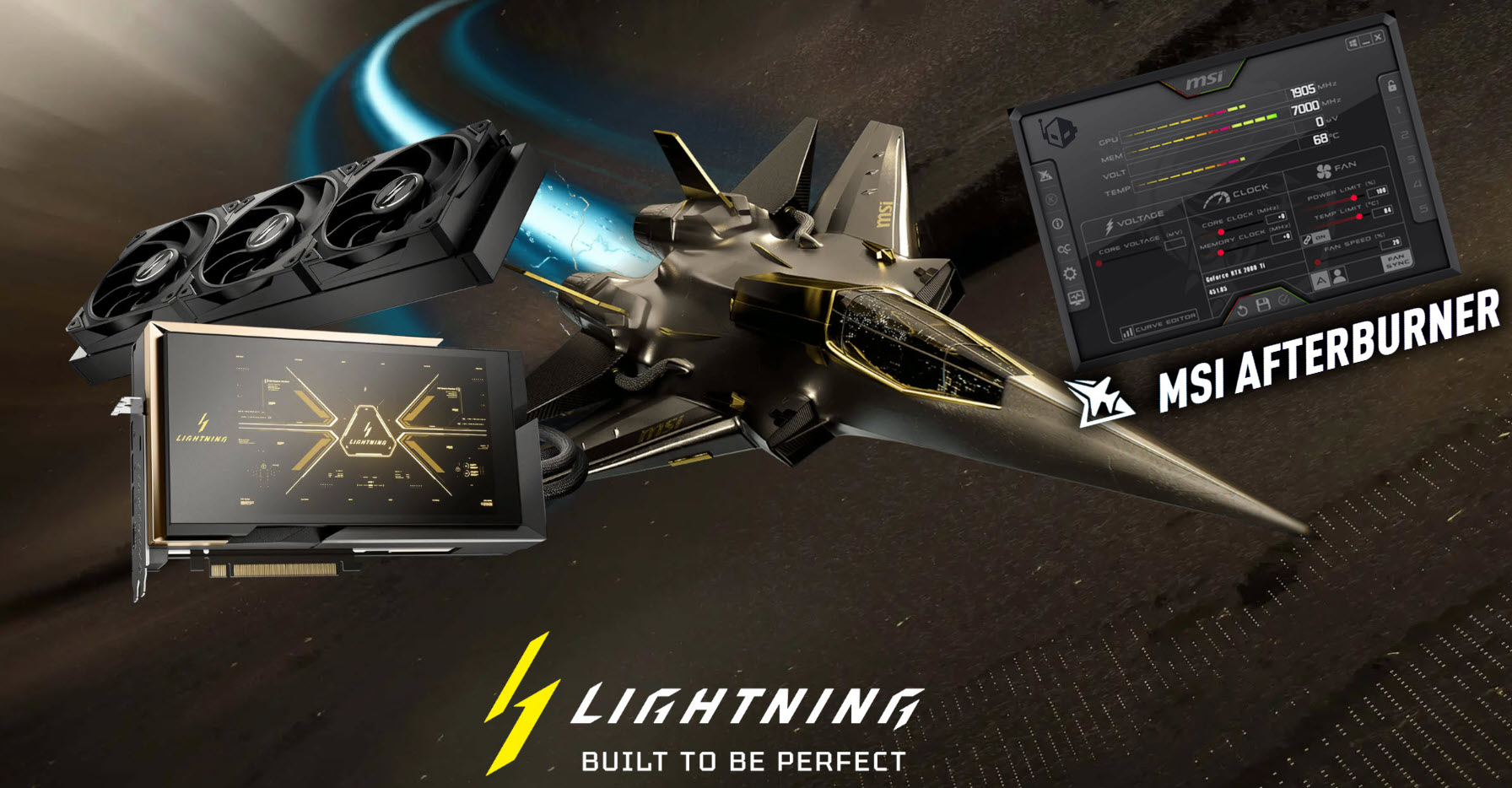
Yet the update isn’t a silver bullet. Users still need high-quality cables and a PSU with sufficient capacity. The safeguard profile is conservative (75% power limit), which may frustrate those pushing for maximum performance. And while the AI PSUs promise better reliability, they won’t retroactively fix aging hardware.
Who Benefits?
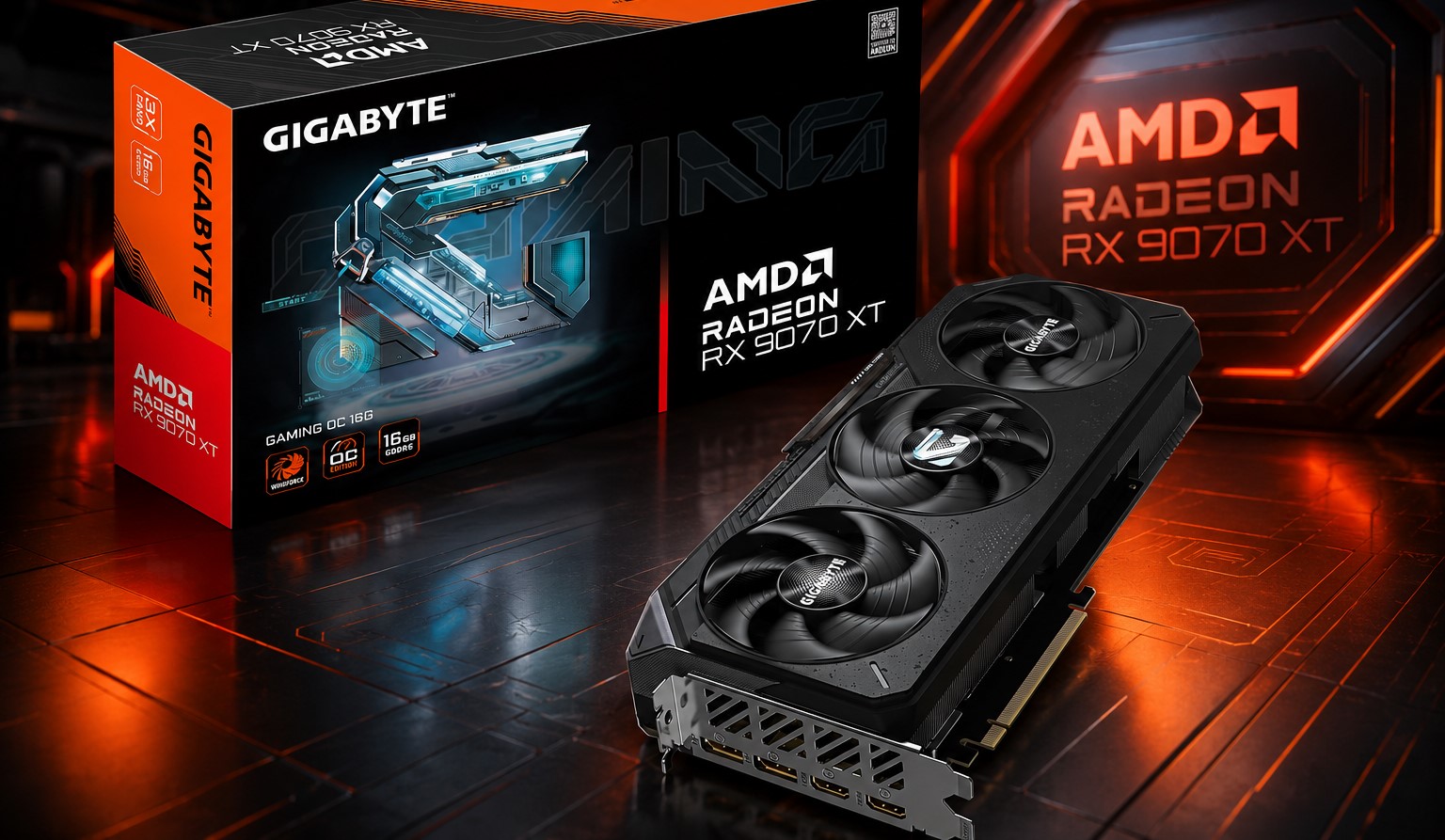
The biggest winners are high-end PC builders running RTX 5090 Lightning, RX 9070 XT, or other 16-pin-dependent GPUs. Gamers and content creators who rely on stable power delivery will appreciate the automatic safeguards, while overclockers gain finer control over voltage/frequency curves. However, the update’s effectiveness hinges on two factors: whether users adopt MSI’s AI PSUs and whether they keep Afterburner running in the background.
For the broader community, this signals a shift in how hardware vendors approach power delivery. If NVIDIA and AMD continue pushing high-TDP GPUs, expect more software-hardware partnerships to mitigate risks—though nothing replaces a well-built system from the start.
The update is available now via MSI’s official channels, with no confirmed release date for the RTX 5090 Lightning or AI PSU lineup.