Micron has taken a major step forward in high-performance memory and storage with the launch of its HBM4 stack, PCIe Gen 6 SSD, and the specialized 192GB SOCAMM2 module for NVIDIA’s Vera Rubin observatory. For power users and data center operators, these products represent a tangible leap in speed and efficiency—but not without careful consideration.
The new HBM4 module, built on Micron’s 3D XPoint technology, delivers up to twice the bandwidth of its predecessor while maintaining lower power consumption. This is a notable improvement for systems where memory speed is critical, such as AI training clusters or real-time data processing workloads. Meanwhile, the PCIe Gen 6 SSD pushes storage performance further with sequential read speeds reaching 14 GB/s, making it a strong contender for next-generation data centers where latency and throughput are non-negotiable.
Alongside these advancements, Micron’s SOCAMM2 module—packaged in a compact 192GB configuration—is tailored specifically for NVIDIA’s Vera Rubin observatory. This module integrates advanced memory management features designed to handle the immense data streams expected from astronomical observations. While its specialized nature limits broader adoption, it underscores Micron’s ability to innovate in niche but high-impact applications.
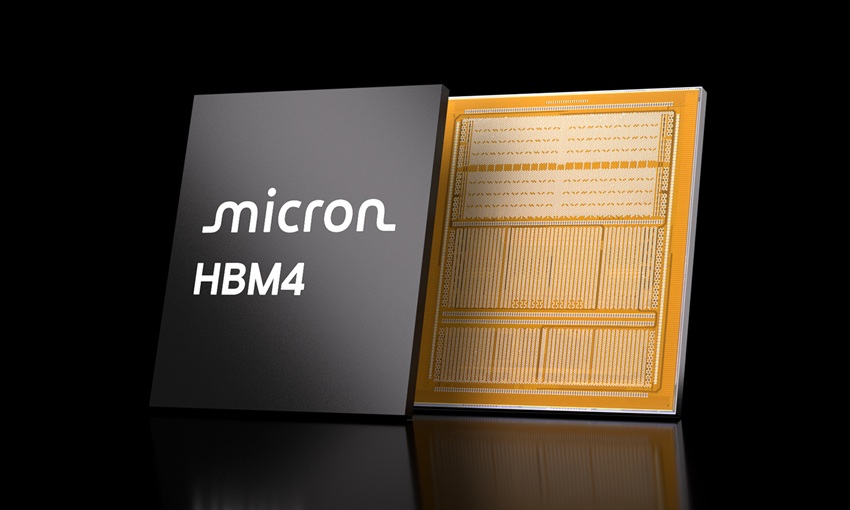
For buyers evaluating these products, the question isn’t just about raw performance. The HBM4 and PCIe Gen 6 SSD offer clear upgrades over previous generations, but their benefits depend on whether existing systems can fully leverage them. For example, not all motherboards or data center infrastructures are ready for PCIe Gen 6, which could create compatibility bottlenecks. Similarly, the SOCAMM2 module’s unique design means it won’t fit every use case outside its intended purpose.
Where things stand now: Micron has successfully transitioned HBM4 and PCIe Gen 6 SSD technologies from development to volume production, setting a new benchmark for high-performance memory and storage. However, the practical adoption of these solutions will hinge on whether hardware ecosystems evolve in tandem. For power users, this means a cautious but optimistic outlook—these products are here, and they perform as advertised, but integrating them smoothly requires forward-thinking system design.