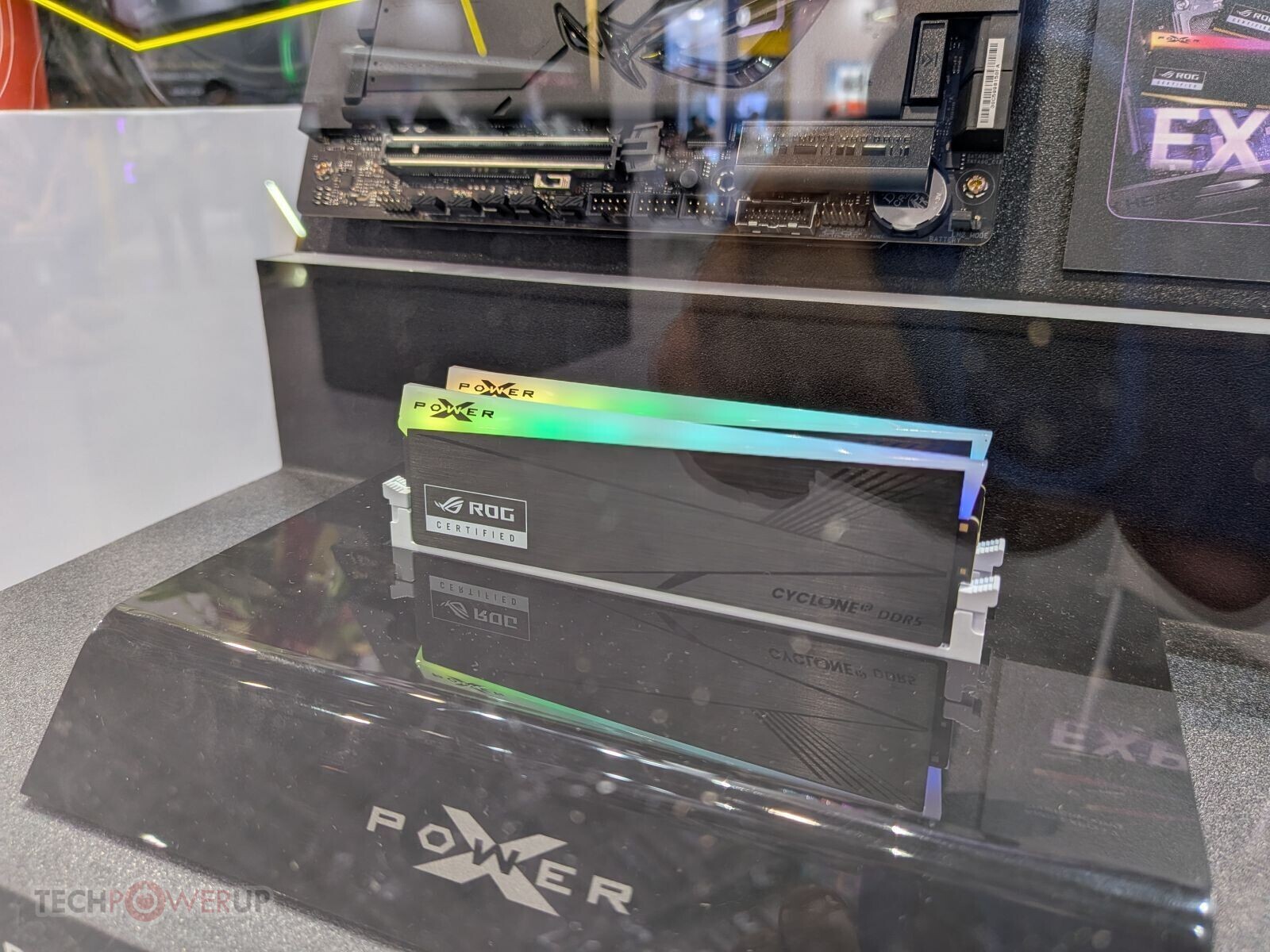
Memory performance has taken a dramatic leap forward, with DDR5 now operating at speeds previously thought to be beyond practical limits. A new module design achieves 10,000 MT/s, a figure that dwarfs the typical 4800–6000 MT/s range seen in today’s high-end systems. This isn’t just about raw speed—it’s about redefining what’s possible for workloads demanding extreme bandwidth.
At the heart of this shift is the introduction of a new memory form factor, CUDIMM, which is designed to handle such extreme speeds while maintaining stability. The 4R variant, in particular, introduces four ranks per module, a departure from the standard dual-rank configuration. This change allows for more efficient heat dissipation and better signal integrity at these unprecedented frequencies.
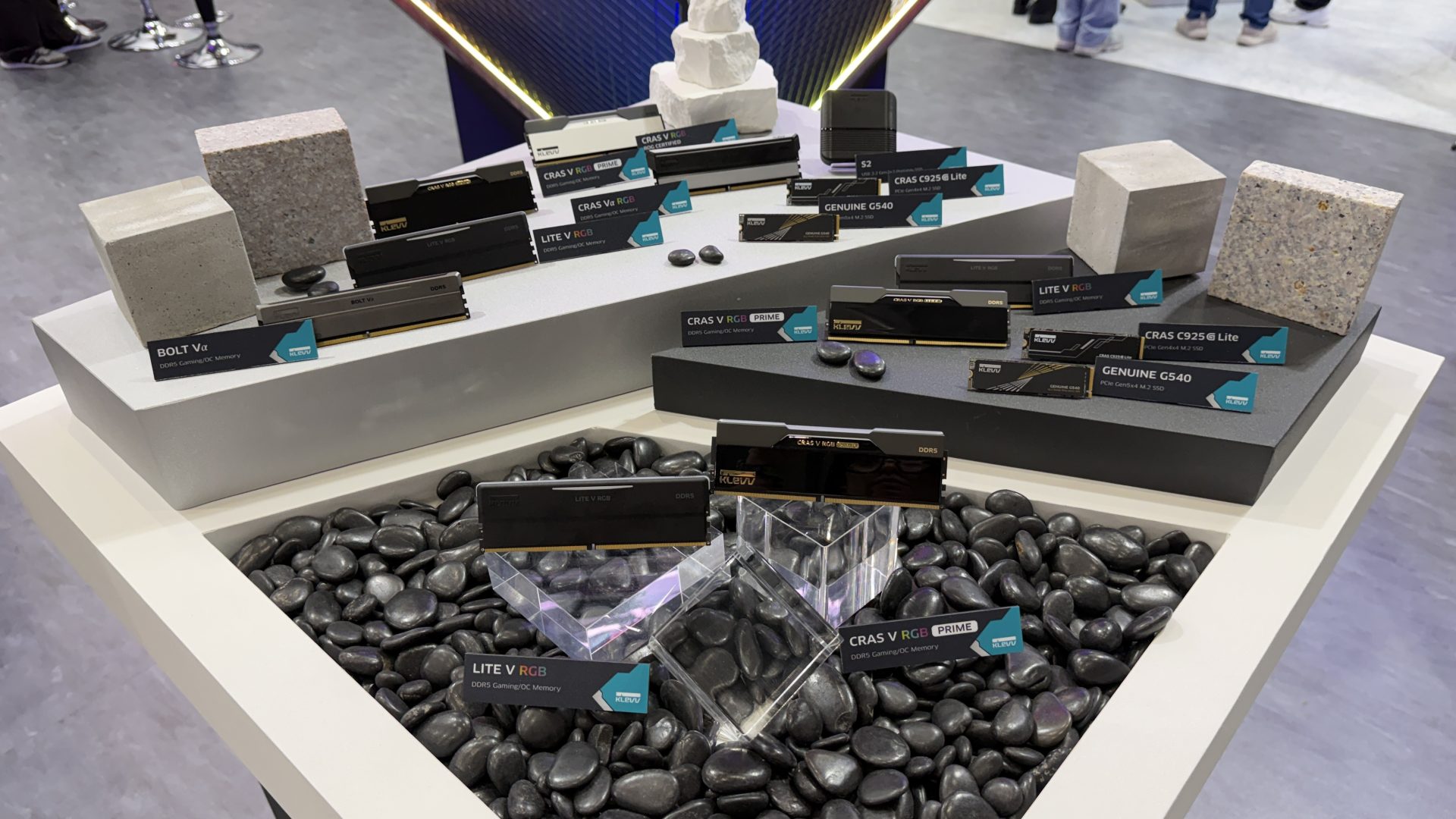
- DDR5 now confirmed stable at 10,000 MT/s
- 4R CUDIMM modules offer four ranks per module
- AMD EXPO ULL support ensures compatibility with existing platforms
The practical implications for system builders are significant. While such speeds are currently out of reach for most consumer applications, they open doors for professional workloads—rendering, scientific computing, and AI training—that require massive data throughput. The challenge lies in ensuring that motherboard designs can keep pace with these modules, both in terms of physical connectors and power delivery.
Looking ahead, the focus will shift to widespread adoption. For now, these modules remain a niche product, but as costs decrease and more manufacturers adopt the technology, they could become standard for high-end systems. The next milestone? Seeing whether 12,000 MT/s is feasible, though that may require advancements in both memory and motherboard architecture.