The MacBook Neo arrives as a disruptive force in the laptop market, where cost efficiency is no longer an afterthought but a necessity. Apple’s latest entry-level model doesn’t just compete on price—it sets a new standard for value, compelling competitors to rethink how budget computing should work.
At a glance
- Chip: A18 Pro (Arm-based)
- RAM: 8GB (soldered), expandable up to 16GB
- Storage: 256GB (eMMC) or 1TB (upgraded model)
- Display: 13-inch, 2408×1506 resolution
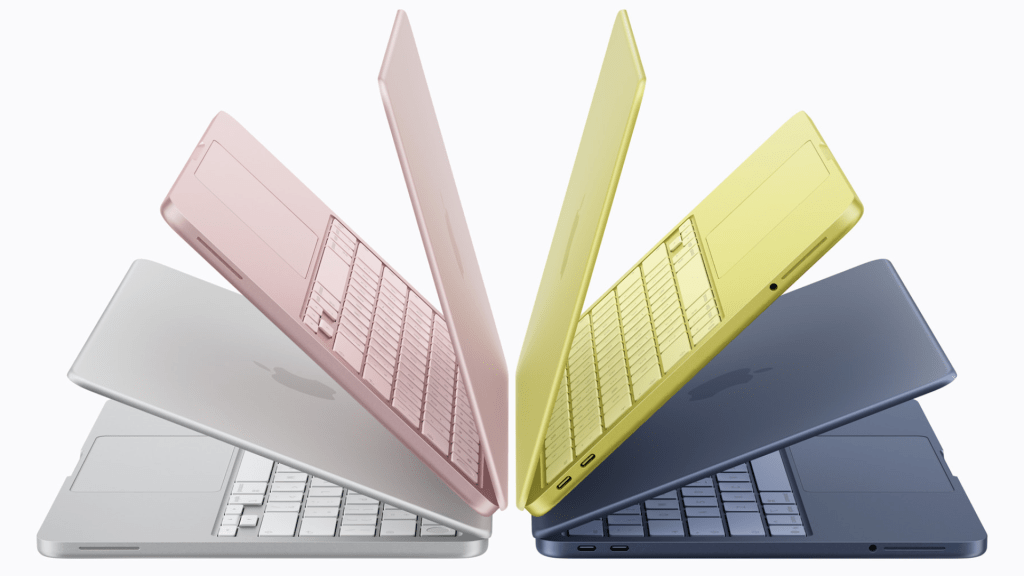
The Neo’s design is a masterclass in minimalism, featuring a lightweight aluminum body and a choice of four striking colors: silver, blue, pink, or yellow-green. It prioritizes build quality over unnecessary features, contrasting with some competitors that compromise to meet price targets.
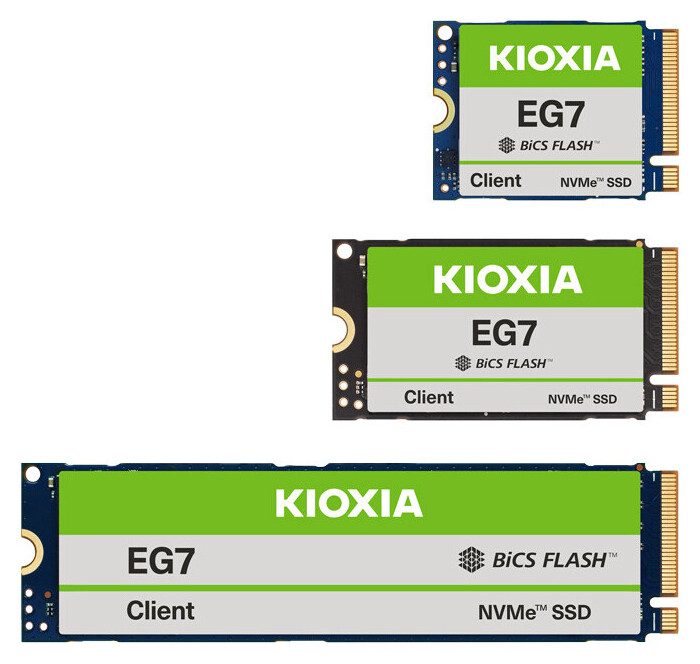
Under the hood, the A18 Pro chip delivers performance typically reserved for higher-end devices. The 256GB storage option balances capacity and cost, though its eMMC variant is slower than NVMe SSDs—a trade-off that may limit long-term usability for demanding users. The 1TB storage option in the upgraded model addresses one of the biggest frustrations with budget laptops: limited capacity without proportional cost increases.
Market Context
The Neo’s launch coincides with growing dissatisfaction among Windows users, particularly regarding forced Copilot integrations and rising RAM prices due to AI demand. This creates an opening for Apple, which has historically dominated the premium laptop segment but now aims to capture a broader audience.
For developers and students, 8GB of RAM is sufficient for light coding or note-taking, though heavier workloads may require upgrading to the 16GB variant. The Neo’s two USB-C ports (one for charging) and optional fingerprint reader add practicality, though the absence of a headphone jack may disappoint some users. Its 13-inch display with 2408×1506 resolution ensures sharpness, avoiding the pixelation common in cheaper alternatives.
Strategic Implications
The MacBook Neo isn’t just about specs—it’s a calculated move to capitalize on Microsoft’s perceived market missteps. While Windows remains dominant for gaming and enterprise, Apple is targeting users drawn to alternative ecosystems, particularly those disillusioned with traditional PC offerings.
Competitors like Dell, HP, and Acer will need to respond. The Neo proves that affordability doesn’t require sacrificing build quality or core functionality—a lesson Windows brands may have overlooked in their pursuit of market share. Whether this strategy sustains long-term remains uncertain, but it signals a shift in how value is perceived in the laptop market.
The MacBook Neo won’t single-handedly revolutionize the industry, but it underscores a broader trend: in an era of soaring component costs, Apple is betting that smart design and timing can still deliver meaningful value. The challenge for others will be to match this balance without compromising on performance or user experience.