The iPhone 17 Pro Max already set a high bar for battery life, with 4,823mAh in the non-eSIM model and 5,088mAh in the eSIM version. But leaks now suggest Apple is pushing further, with the iPhone 18 Pro Max rumored to adopt a 5,000mAh+ battery in the non-eSIM configuration and a 5,100mAh–5,200mAh cell in the eSIM variant. That’s a 3.67% increase for the base model and up to 2.20% more capacity in the eSIM version.
On paper, those numbers might seem modest—especially when compared to Android flagships like the Xiaomi 17 Pro Max, which crams in 7,500mAh. But Apple’s strength has never been brute-force capacity. Instead, the company’s focus lies in efficiency: squeezing every watt-hour from its hardware while keeping devices thin and responsive. With the iPhone 18 Pro Max, that philosophy appears to be evolving.
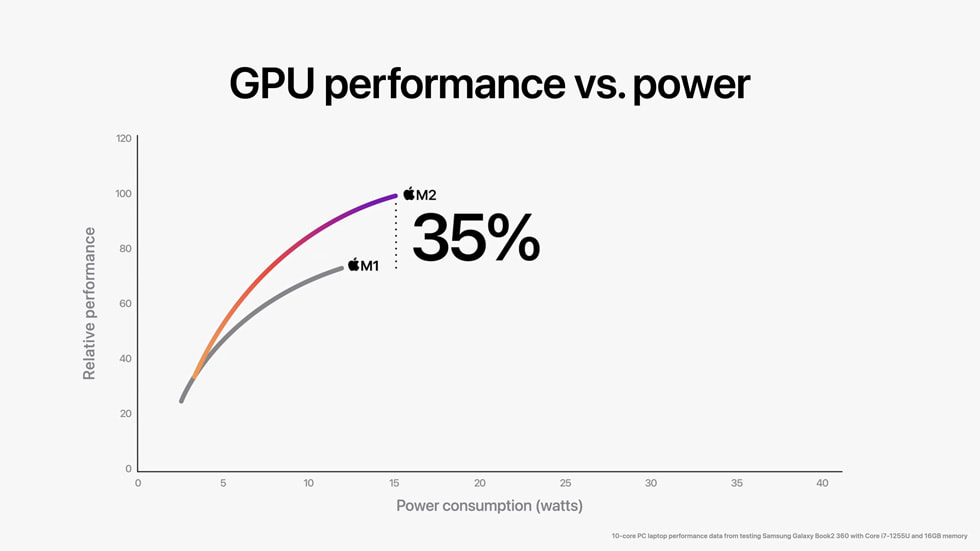
The heart of the change is the shift to a 2nm A20 Pro chip, manufactured using TSMC’s most advanced process node. Early benchmarks from similar architectures suggest this could translate into 15–20% better power efficiency compared to the current A17 Pro. Coupled with Apple’s proprietary C2 5G modem, the result may be a device that doesn’t just hold a charge longer—but also delivers sustained performance without draining reserves.
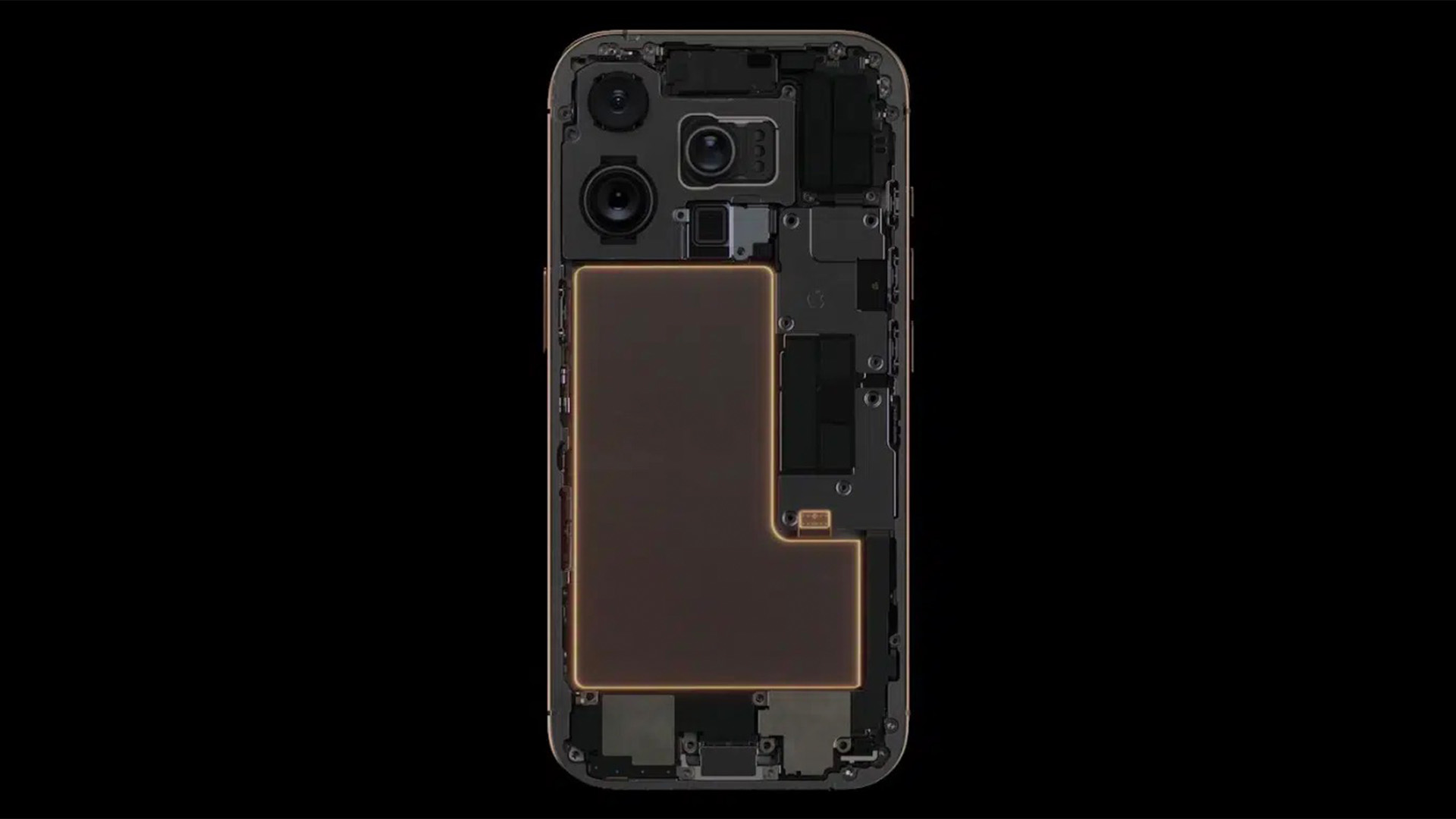
For context, the iPhone 17 Pro Max already outlasts most Android rivals despite its smaller battery. The Xiaomi 17 Pro Max, for instance, offers 55% more capacity yet only beats Apple’s device by five minutes in real-world testing. If the iPhone 18 Pro Max’s efficiency gains hold, the gap could widen further, even with only incremental battery growth.
But there’s a catch: Apple’s supply chain constraints may limit how aggressive these changes can be. The iPhone Fold, for example, is rumored to house a 5,500mAh battery—the largest in Apple’s lineup—yet it remains a niche product. The Pro Max, by contrast, must balance endurance with portability, a challenge that becomes harder as batteries grow.
Still, the math is compelling. A 2nm chip paired with optimized software could offset some of the trade-offs. If Apple’s claims of 20-hour video playback on the iPhone 17 Pro Max hold true, the iPhone 18 Pro Max might push that closer to 24 hours—or more—without a single watt of extra capacity. For power users, that could mean all-day use without the need for a second charger.
One thing is certain: if these rumors hold, the iPhone 18 Pro Max won’t just be an incremental upgrade. It may redefine what a flagship battery should deliver—proving that sometimes, less is more.