The next generation of iPhone Pro models is poised to redefine what we expect from smartphone displays. Reports indicate that the iPhone 18 Pro and Pro Max will feature advanced LTPO+ OLED panels, a technology known for its energy efficiency. This shift could also enable Apple to move the IR scanner used for Face ID behind the display, a design choice that has been long anticipated by industry insiders.
Additionally, there are suggestions that the selfie camera might also be relocated behind the screen without compromising on quality. If this is indeed the case, it would mark a significant departure from Apple's current design language for its flagship devices. This move could potentially push BOE out of Apple's supply chain for Pro models, as only LG and Samsung are currently capable of producing LTPO+ OLED screens. However, BOE might still retain a role in supplying panels for non-Pro iPhone models.
The integration of LTPO+ displays is not limited to the iPhone lineup. Reports also suggest that Apple plans to incorporate this technology into its redesigned M6 MacBook Pro, indicating a broader adoption across its product ecosystem.
Key specs for the iPhone 18 Pro and Pro Max are yet to be officially confirmed, but the focus on LTPO+ OLED displays hints at a strong emphasis on performance and efficiency. This could translate to longer battery life and potentially brighter, more vibrant visuals compared to current models.
- Display: Advanced LTPO+ OLED panels with enhanced energy efficiency, likely supporting higher brightness levels and improved color accuracy.
- Chip: Expected to feature the latest A-series chipset, possibly the A18 Pro or a similar variant, delivering significant performance improvements over previous generations.
- Memory: Likely to include 6GB or 8GB of RAM, depending on the model configuration.
- Storage: Options expected to range from 128GB up to 1TB, with no confirmation on whether a 512GB variant will be included.
- Power: Improved battery life due to the energy-efficient LTPO+ display and potentially more power-efficient chipset.
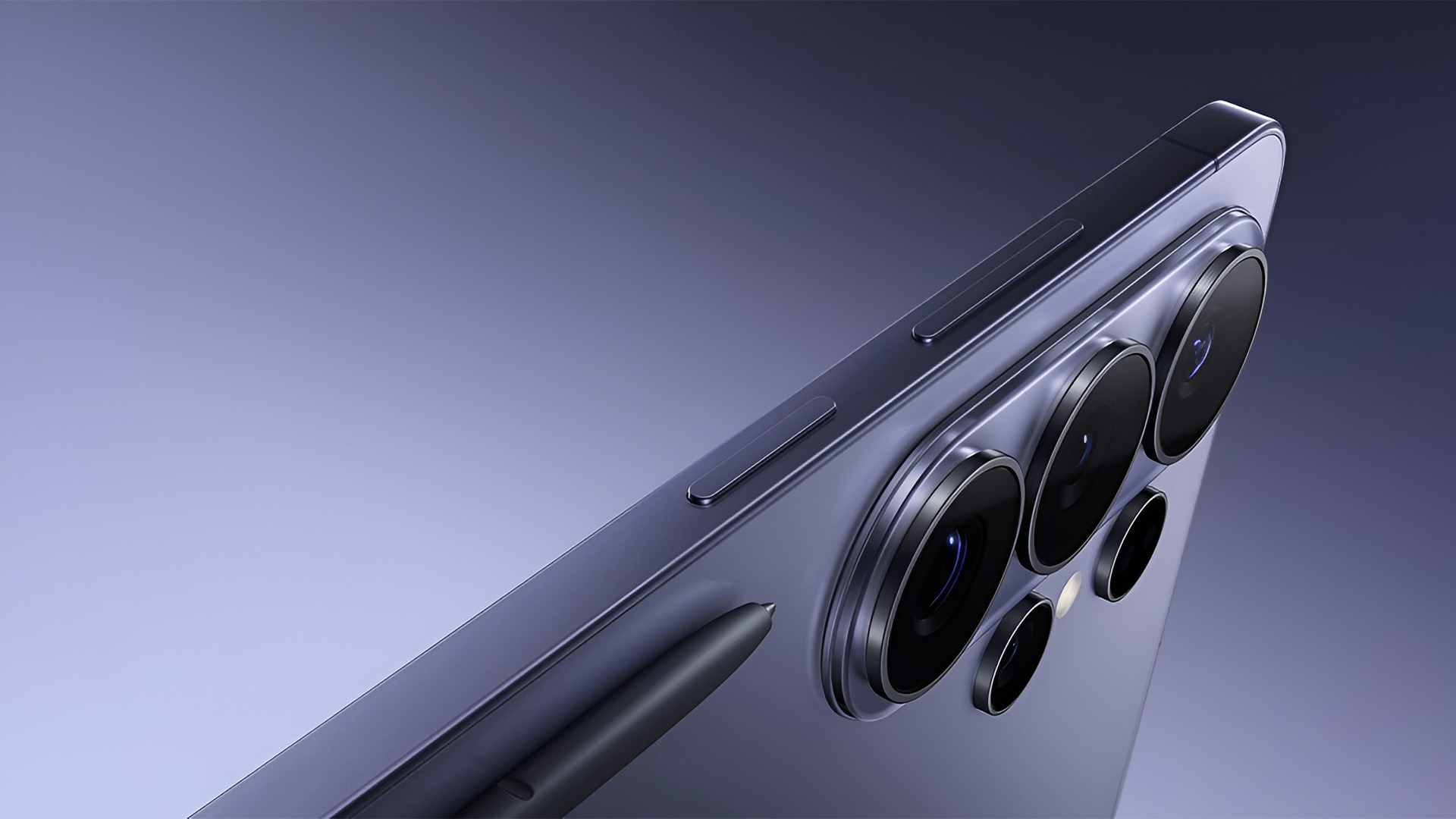
- Cameras: The rear camera setup is expected to feature significant upgrades, possibly including a larger main sensor or additional computational photography features. The selfie camera may be moved behind the screen if reports are accurate.
- Connectivity: Likely to include 5G support with advanced antenna designs and potentially new wireless charging standards.
- Ports: No USB-C port, maintaining Apple's use of a proprietary Lightning connector for data transfer and charging, though this may change in the future.
- Pricing: Expected to start at around $1,099 for the base model, with Pro Max versions likely priced higher due to additional features and larger display sizes.
The move towards LTPO+ OLED displays suggests that Apple is prioritizing both performance and battery life in its upcoming flagship models. This technology allows for adaptive refresh rates, which can significantly improve battery efficiency while maintaining smooth visuals. For users who value long battery life without sacrificing performance, this could be a game-changer.
The potential relocation of the selfie camera behind the screen is also notable. If successfully implemented, it could pave the way for even more innovative designs in future iPhone models. However, the trade-off would likely involve slightly increased thickness or other design compromises that are not yet clear. For now, the focus remains on the display technology and its implications for battery life and overall user experience.
Availability of the iPhone 18 Pro and Pro Max is expected in late 2026, though this has not been officially confirmed by Apple. If the reports hold true, these models could set a new benchmark for what consumers expect from flagship smartphones, particularly in terms of display technology and efficiency.