Intel’s decision to consolidate its chipset lineup for Nova Lake isn’t just a technical refresh—it’s a strategic realignment. The elimination of the H-series, once the gateway for budget builders, signals a platform that prioritizes performance over accessibility. For those eyeing the transition, the question isn’t just what the 900-series offers, but who it serves—and who might be left scrambling for alternatives.
The absence of an H-series chipset is the most immediate casualty. Historically, the H-series provided an entry point for users who needed basic PCIe 4.0 lanes and USB connectivity without the cost of a Z-series board. With the B960 now occupying that space, Intel appears to be betting that most budget builders will either upgrade to a Z970 or stick with legacy 800-series boards until Nova Lake prices drop. This could create a temporary gap for those on tight budgets, particularly if motherboard prices for the new platform don’t reflect the savings of a stripped-down feature set.
For gamers, the choice narrows to the Z970 or Z990, but the divide between them is stark. The Z970 retains the PCIe 4.0 lanes that will serve the majority of current-gen GPUs, making it a practical choice for high-refresh-rate gaming builds where CPU performance matters more than storage speed. Its lack of PCIe 5.0 isn’t a dealbreaker unless you’re planning for future-proofing beyond 2026. Meanwhile, the Z990’s PCIe 5.0 lanes are overkill for most single-GPU setups but become relevant for multi-GPU configurations or high-end storage arrays. The question for gamers isn’t just about specs—it’s about whether the Z990’s premium pricing justifies the upgrade for a use case that may not fully utilize its capabilities.
Creators and professionals face a clearer decision: if your workflow demands PCIe 5.0 bandwidth for storage or ECC memory for data integrity, the Z990 or W980 is the only viable option. The W980 adds enterprise-grade manageability, but its lack of BCLK overclocking (a feature only the Z990 fully supports) may limit its appeal outside corporate environments. For most creators, the Z990’s combination of PCIe 5.0, ECC support, and dual Thunderbolt 4 ports makes it the default choice—assuming the price doesn’t exceed the budget for a high-end workstation.
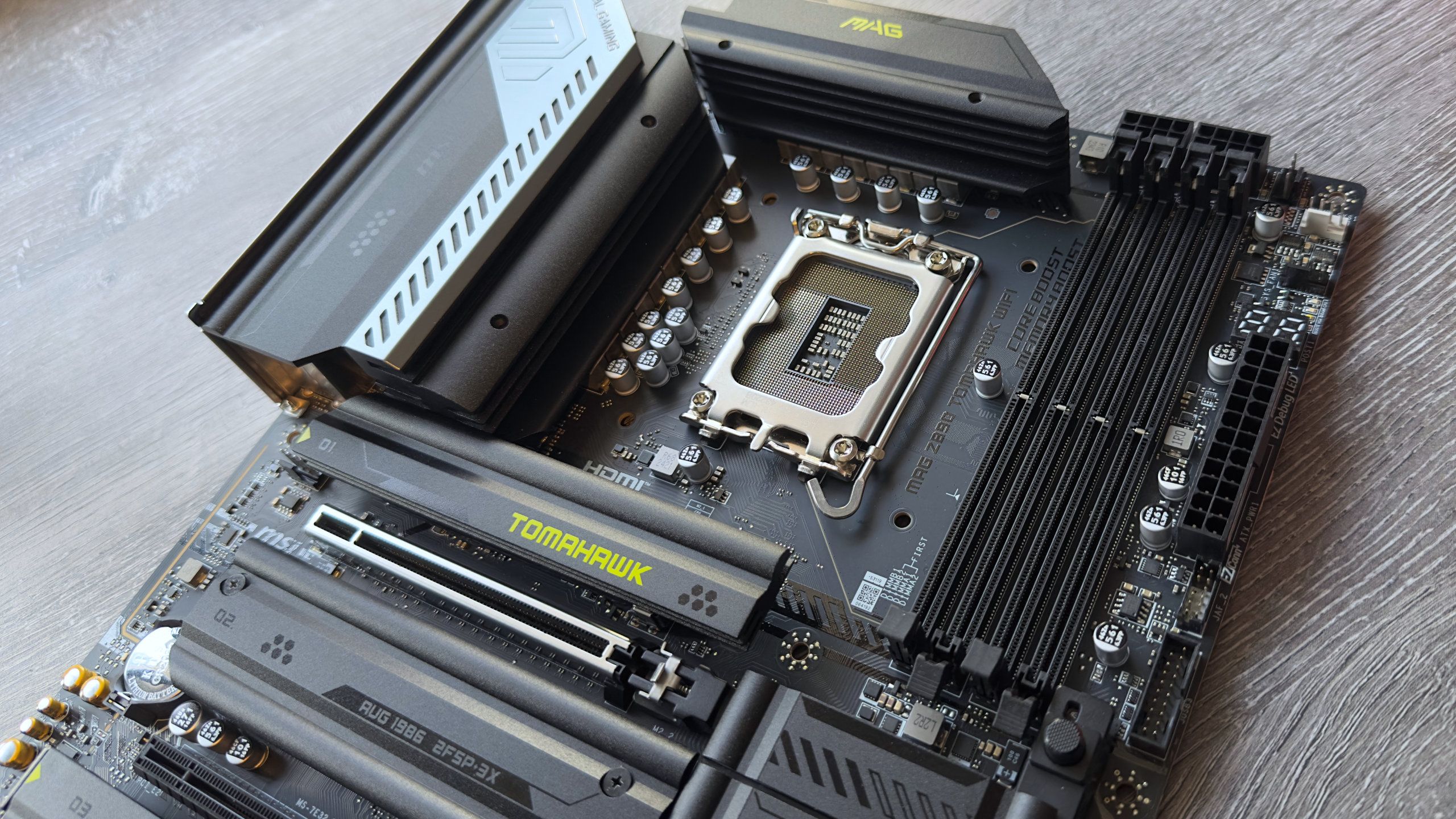
Everyday users may find the B960 sufficient, but its limitations are telling. While it supports memory overclocking—a feature that can still improve performance in non-gaming applications—the absence of CPU overclocking is a hard line in the sand. Intel’s Nova Lake CPUs may deliver strong stock performance, but for enthusiasts who’ve grown accustomed to tweaking clock speeds, the B960 feels like a step backward. The chipset’s uniform connectivity (a single Thunderbolt 4/USB4 port) is adequate for most tasks, but it lacks the expandability that power users often seek.
The business-focused Q970 and W980 chipsets introduce another layer of complexity. These models cater to environments where remote management, security, and RAID configurations are priorities, but their gaming or creator relevance is minimal. The Q970, for instance, lacks ECC memory support—a critical feature for data-heavy workloads—while the W980 includes it but at a premium. For small businesses or IT departments, these chipsets may bridge the gap between consumer and enterprise hardware, but their lack of BCLK overclocking and higher price points could deter hobbyists or power users.
Looking ahead, the timeline for Nova Lake remains fluid. Late 2026 is the target, but Intel’s history of delays suggests builders should prepare for potential shifts. Motherboard manufacturers will need to align their roadmaps with Intel’s release schedule, and pricing—particularly for the Z990—will determine whether the platform shift is accessible or exclusive. For now, the focus is on the specs: PCIe 5.0 adoption, the consolidation of overclocking features, and the disappearance of a budget-friendly option. Whether these changes will pay off depends on how well Nova Lake performs in a market where memory prices and GPU shortages continue to influence buying decisions.
The 900-series chipsets mark a clean break for Intel, but not everyone will benefit equally. Gamers and creators have clear paths forward, while everyday users and budget builders may find themselves navigating a more restrictive landscape. The absence of an H-series isn’t just a technical omission—it’s a signal that Intel’s new platform is aiming higher, even if that means leaving some behind in the process.