Intel’s latest desktop processors have earned a reputation for efficiency, but a new leak about its next-gen Nova Lake architecture has sparked concerns over power consumption—specifically, a claim that the high-end 56-core variant could draw up to 700W under extreme loads. While that number sounds alarming, the reality for gamers is far less dramatic.
The 700W figure applies only to the dual-compute-tile version of Nova Lake—a configuration pairing two 8P+16E-core tiles (plus four extra low-power E-cores), totaling 56 cores. This is not the chip most gaming PCs will ship with. Even then, the power draw is context-dependent, with Intel’s PL1-PL4 tiers dictating how long a system can sustain such loads.
The gaming power myth
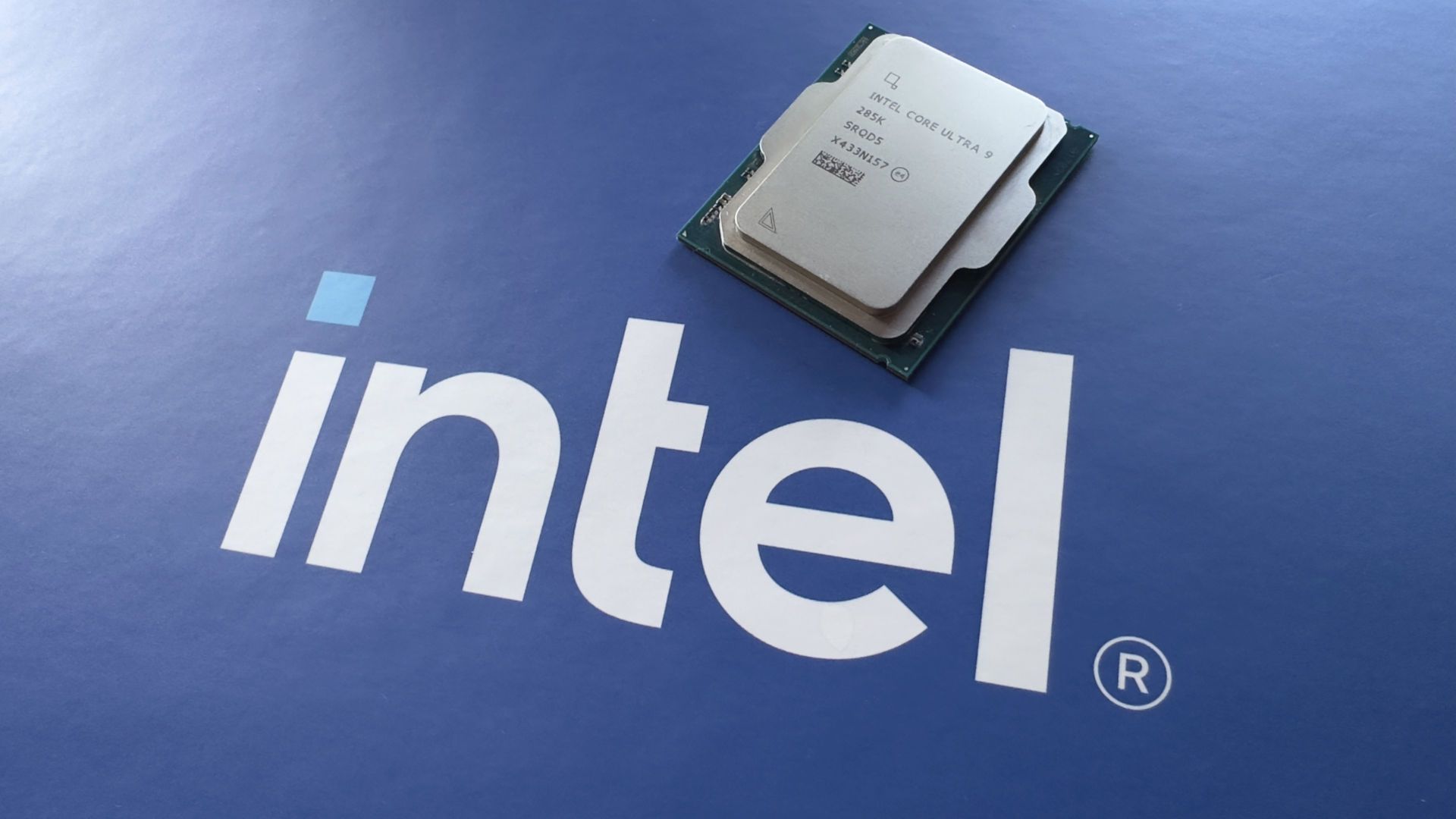
Current high-end gaming CPUs like Intel’s Core Ultra 9 285K (8P+16E) max out at 243W under full Cinebench stress—but in real gaming, they rarely exceed 100W. AMD’s Ryzen 9 9950X (16 cores) stays under 200W in the same test, yet gaming workloads barely push it past 60W. Scaling up to 56 cores doesn’t double power draw in games, as most titles don’t utilize even half the cores.
For comparison, AMD’s Ryzen 9 9950X3D (16 cores) consumes just 9% more power than the Ryzen 7 9850X3D (8 cores) in gaming—despite having double the cores. The extra performance comes at a modest efficiency cost, not a 100% spike.
Why 700W won’t melt your rig
The 700W leak likely refers to PL4—Intel’s highest power tier, designed for short bursts (e.g., overclocking or extreme workloads). Most motherboards cap sustained power at PL2 (500W) or PL1 (200W), with PL4 (800W) reserved for fleeting spikes. Gaming PCs won’t hit these levels unless running synthetic benchmarks or rendering software.
Even then, single-tile Nova Lake chips (the ones in most gaming builds) are expected to stay well below 300W under load—closer to the Core Ultra 9 285K’s 243W than the dual-tile beast. The 56-core variant is more likely a HEDT (high-end desktop) target, competing with AMD’s Threadripper, where raw power isn’t as critical as performance-per-watt in specialized workloads.
What gamers should expect
Most Nova Lake gaming PCs will use single-tile chips (e.g., Core Ultra 400 series), keeping power draw in check. The 700W figure is a red herring for the average user—more relevant to workstations than 1080p/1440p gaming rigs. If you’re worried about electricity bills, focus on VRMs, cooling, and PSU efficiency—not core counts.
Bottom line: Intel’s Nova Lake won’t turn your home into a furnace. The 56-core monster is for niche users, while gaming builds will stick to power-efficient single-tile designs. The real challenge? Finding affordable DRAM and SSDs—now that’s a problem worth fretting over.