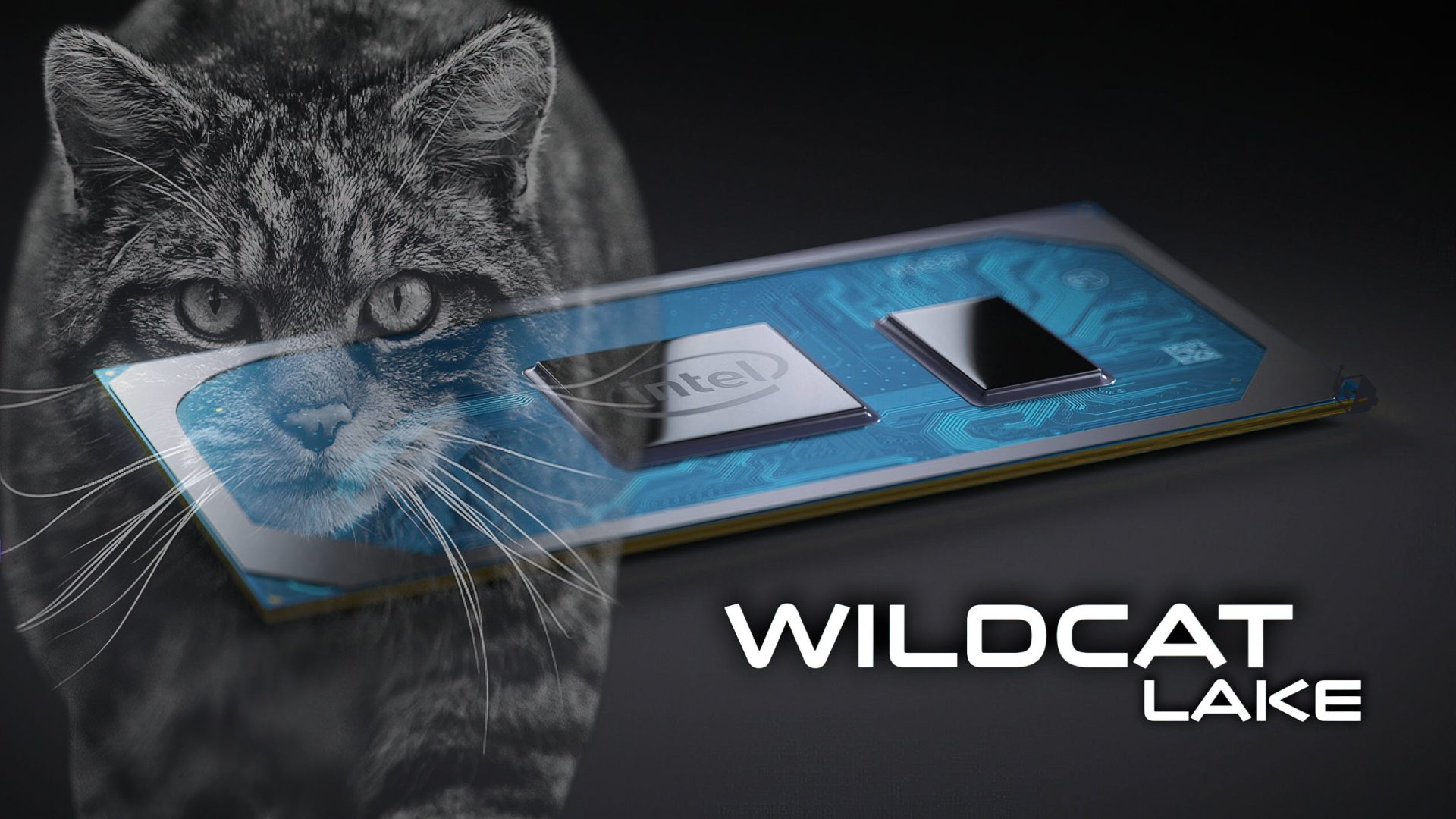
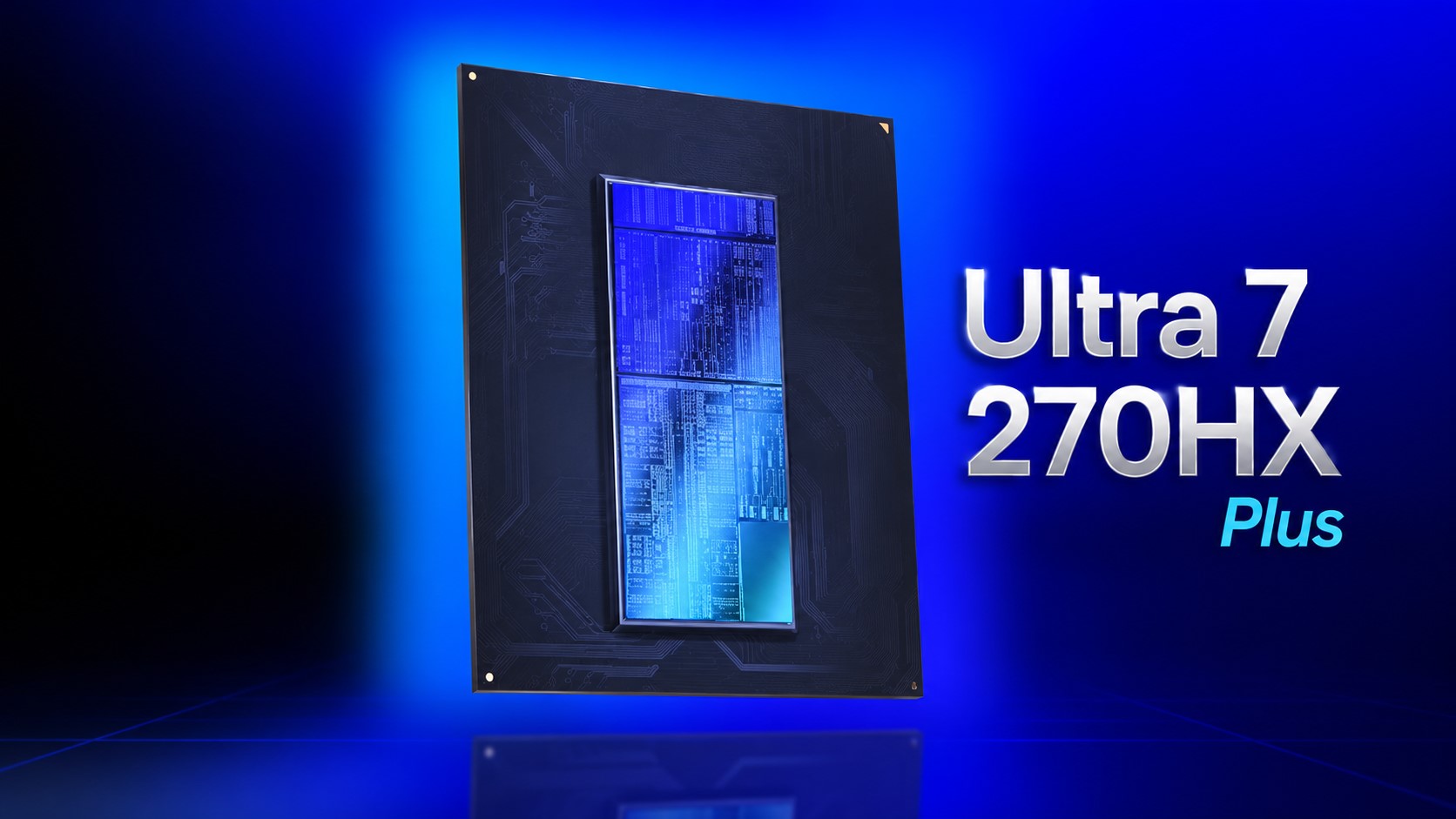
Intel is rolling out its new Core Ultra laptop processors in two distinct waves, starting with the highest-performance HX variants this month. While the initial batch includes chips with up to 18 cores, 24 threads, and turbo boosts of 5.7 GHz, benchmarks indicate that some mid-range models may fall short of expectations in both speed and efficiency.
This staggered approach marks a departure from Intel’s traditional balance between performance and power consumption. The HX series, designed for gaming and content creation, pushes thermal limits with its Arc graphics integration, but early tests suggest that not all configurations deliver the same level of responsiveness under load. Enterprises deploying these chips may encounter uneven performance across their fleet, depending on which models are procured first.

Looking ahead, Intel plans to introduce lower-power U variants in subsequent quarters, expanding the Core Ultra family beyond just high-end devices. However, the current focus on HX chips raises questions about whether this two-phase rollout will become a standard for future releases or if performance inconsistencies could hinder long-term adoption.
The full scope of the Core Ultra series remains under development, but the initial wave sets the stage for how Intel will prioritize hardware capabilities in the coming months. For IT teams and consumers alike, this launch introduces both opportunity and uncertainty—opportunity for those needing cutting-edge performance now, and uncertainty about whether mid-range models will eventually catch up.