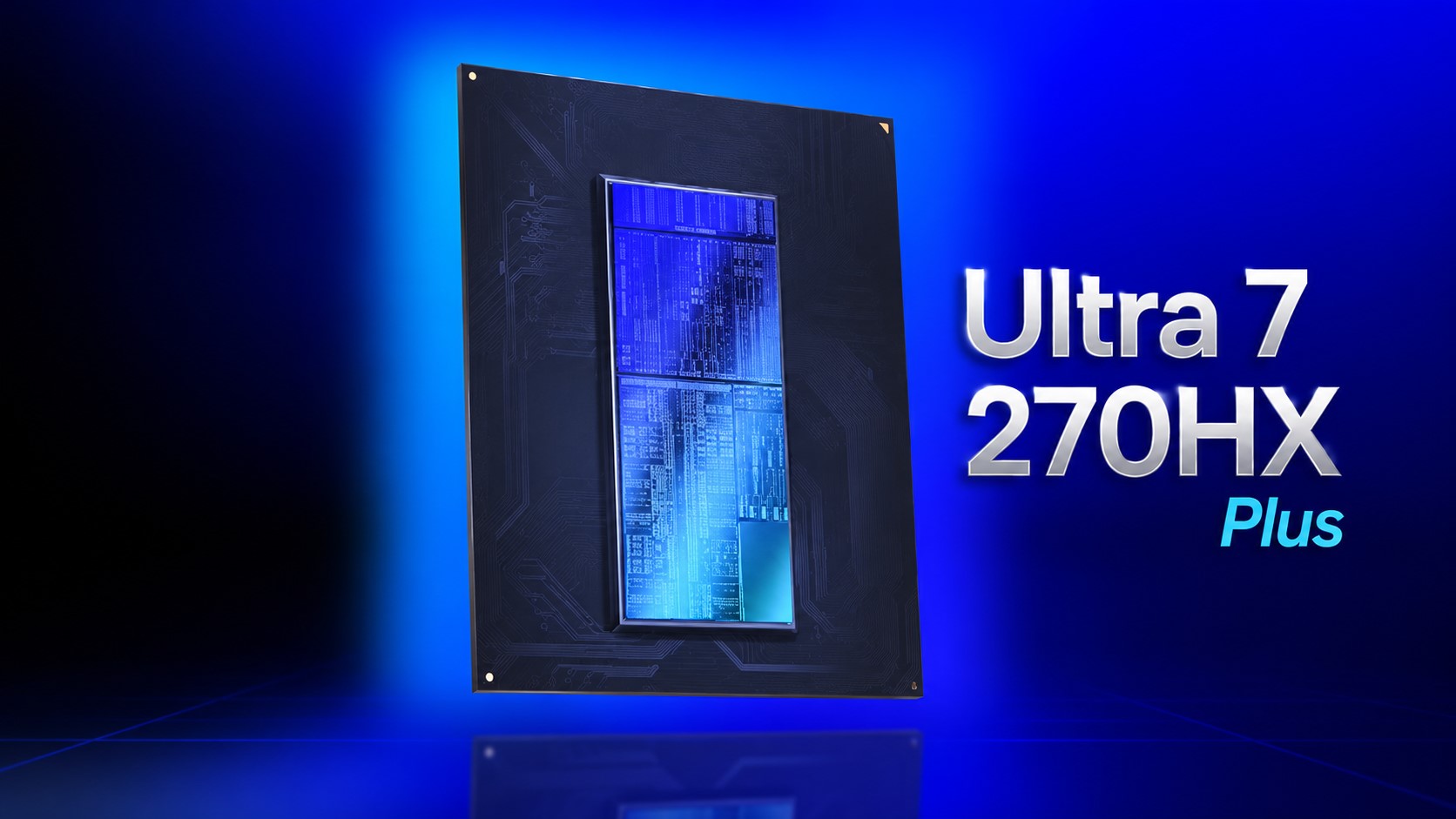
Intel's Arrow Lake Refresh CPUs have begun appearing in gaming laptops, marking a notable evolution in processing power and thermal management. These chips, built on an advanced 3nm process, promise substantial performance gains that could reshape the landscape for both manufacturers and consumers.
The new CPUs feature up to 16 cores and 24 threads, delivering a significant leap forward in single-threaded performance compared to previous generations. This is particularly relevant for gaming laptops, where thermal throttling has long been a limiting factor. Intel's introduction of a new cooling solution, which includes an integrated vapor chamber, aims to mitigate this issue by improving heat dissipation and maintaining performance under load.
One of the standout specifications is the inclusion of up to 128MB of eDRAM, which acts as a cache for frequently accessed data. This can lead to notable improvements in both gaming performance and overall system responsiveness. Additionally, the CPUs support DDR5 memory with speeds up to 5600MT/s, providing a solid foundation for high-performance systems.

The implications of this development are significant. For consumers, it means that upgrading to a laptop equipped with an Arrow Lake Refresh CPU could offer tangible benefits in terms of performance and longevity. However, the availability of these CPUs remains a critical factor. Given Intel's current supply constraints, buyers should be cautious about when they decide to upgrade, as the market may take time to stabilize.
The introduction of these CPUs also suggests a shift in how gaming laptops are designed. The new cooling solution, for instance, could lead to more compact and efficient designs without sacrificing performance. This is particularly important in a market where form factor and portability are increasingly valued alongside raw power.
While the full extent of these CPUs' capabilities is still being explored, it is clear that they represent a significant milestone in Intel's roadmap. The confirmed specifications point to a future where gaming laptops can achieve higher performance levels while managing thermal constraints more effectively. However, questions remain about how quickly these improvements will translate into real-world products and what the long-term implications for consumers will be.