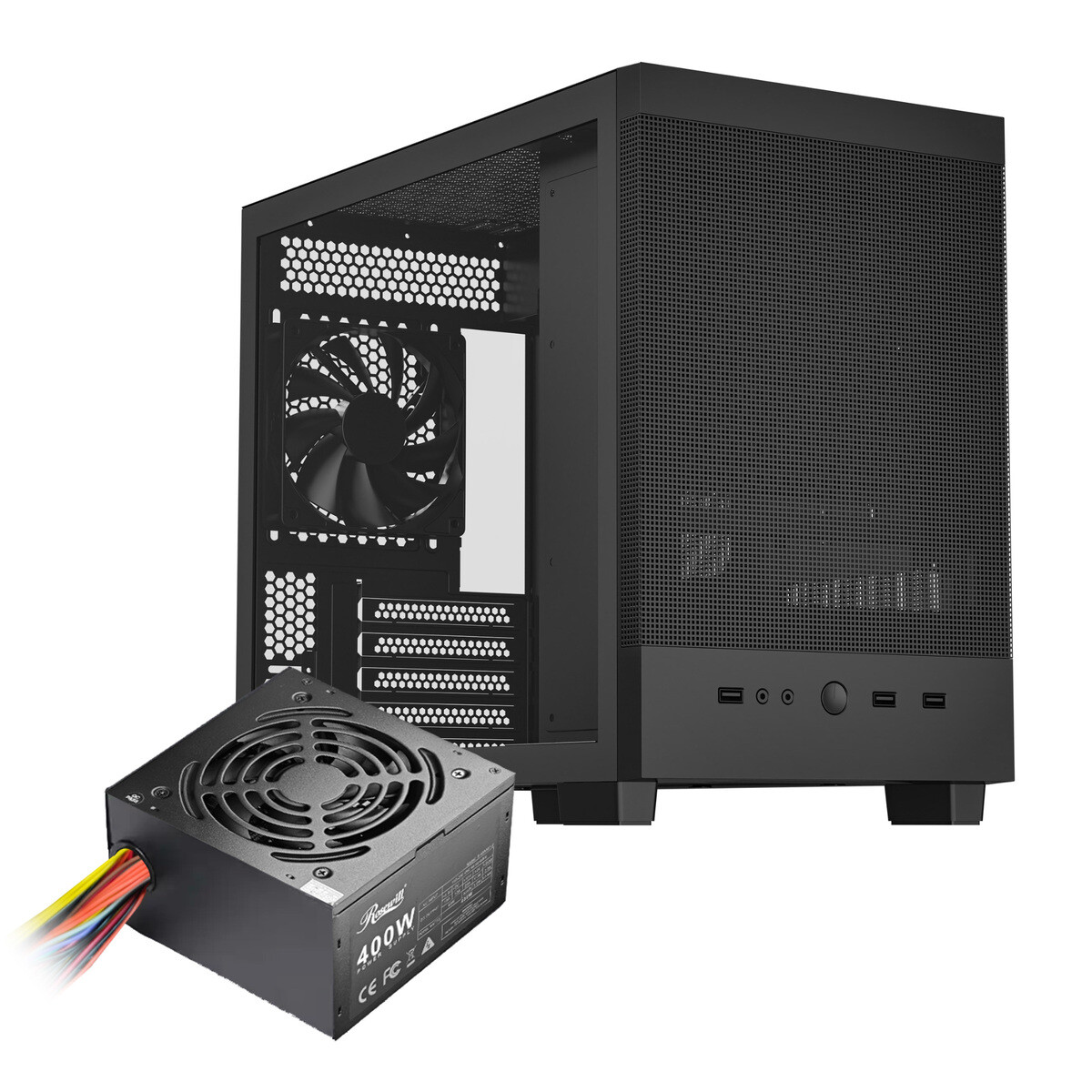
A mini PC that can run full-size workloads without breaking the bank has always been a rare find. Now, an Intel Core i5 model with 16GB of DDR4 RAM and a 256GB SSD is available for $309—a price that challenges the assumption that high performance requires deep pockets. The system’s compact form factor belies its capabilities, but it’s the thermal management and power efficiency that make this offer stand out.
This mini PC isn’t just a budget option; it’s an upgrade path for creators who need more than a Chromebook or low-end laptop can deliver. Whether editing light video, managing databases, or running virtual machines, the 10th-generation Intel i5 processor delivers enough horsepower to handle these tasks without the usual thermal throttling that plagues many small-form-factor systems. The 256GB SSD ensures storage isn’t a bottleneck, though users with heavier workloads will need additional drives or cloud solutions.

The system’s power draw is where it truly distinguishes itself. At just 35 watts under load, it avoids the heat and noise issues common in mini PCs that push closer to 65-watt TDP limits. This efficiency isn’t just about staying cool; it’s about longevity. A creator who relies on a system for long editing sessions or overnight renders will appreciate not having to manage fan noise or thermal throttling, which can degrade performance over time.
For those who need more than 16GB of RAM but don’t want to stretch the budget further, this mini PC offers an immediate upgrade path. The DDR4 slots support up to 32GB, meaning users can double their memory without replacing the entire system. That flexibility is crucial in a market where RAM prices remain volatile and workload demands fluctuate.
If this price holds, it could signal a shift in how mini PCs are priced—no longer just premium accessories for home theaters or office setups, but viable options for creators on tighter budgets. The challenge will be whether the thermal design can scale with heavier workloads without sacrificing performance. For now, though, this is a clear win for those who need more power without the premium cost.