Bethesda’s Fallout series had always promised player freedom, but by the time Fallout 3 launched, its ambition had been tempered by necessity. Internal documents later revealed the studio had to strip entire systems—particularly dynamic faction responses—to avoid overwhelming players. What New Vegas would offer wasn’t just more choices; it was a Mojave that reacted*. Obsidian’s mandate was clear: build a world where every decision left a mark, where factions didn’t just exist but evolved in response to the player’s actions.
The core of this transformation was a reputation engine that extended far beyond traditional RPG mechanics. In previous *Fallout games, faction standing might shift temporarily after a quest, but in New Vegas*, even the smallest interactions carried weight. Help a stranger repair a solar panel for the Boomers, and their trust in the player compounds—not just in that moment, but across every subsequent encounter. Refuse aid to the Great Khans, and their caravans turn hostile, altering trade routes and even combat encounters. For the first time, factions weren’t static entities; they were organic systems that adapted to the player’s presence.
The NCR’s expansion into the Mojave wasn’t a linear story—it was a living campaign. Support their military efforts, and their settlements grow stronger, their soldiers more cooperative. Sabotage their supply lines, and their grip weakens, leaving towns vulnerable to raids. The Legion’s conquest of the Mojave wasn’t a predetermined narrative either; it was a contingent war where the player’s actions could accelerate Caesar’s rise, delay it, or even prevent it entirely. By the game’s end, the Mojave’s fate wasn’t just a reflection of the player’s choices—it was a direct consequence of them.
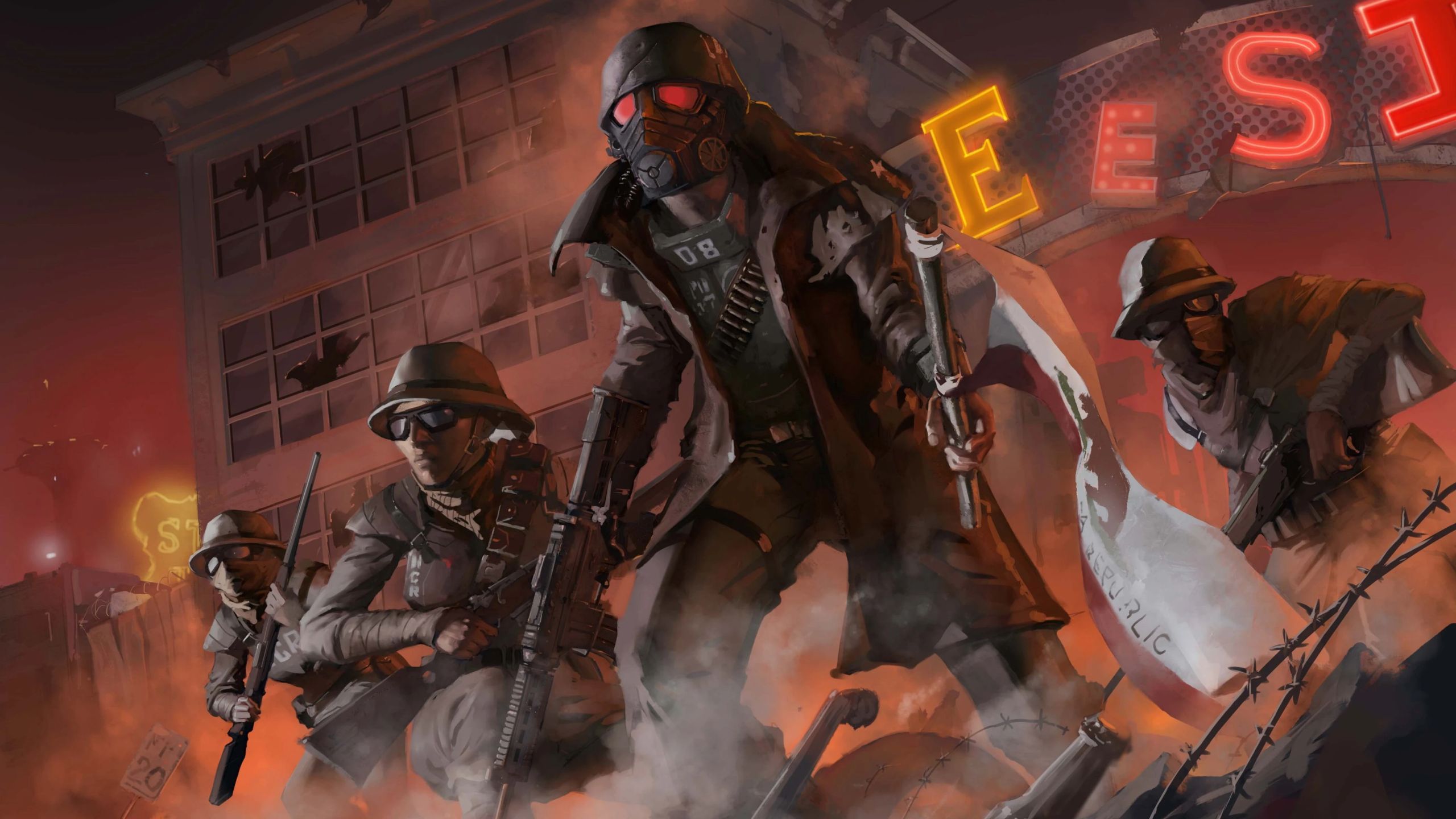
Obsidian’s system didn’t just reward roleplaying; it demanded engagement. Ignore the Three Families’ gambling debts, and their enforcers become relentless pursuers. Meddle in the Kings of the Countryside’s political strife, and their loyalty shifts, unlocking new dialogue and alliances. The Mojave’s towns weren’t just locations—they were living reports of the player’s influence. A town under NCR rule thrived with patrolled streets and prosperous markets, while a Legion-occupied settlement bore the scars of conquest. Even the wildlife adapted: side with the Boomers, and their settlements teem with friendly dogs; align with the Legion, and their wolves become aggressive. The landscape itself became a visual record of player legacy.
Key innovations that defined the system
- A reputation framework that tracked interactions across factions, not just individual quests, ensuring minor choices had lasting consequences.
- Dynamic war campaigns—the NCR’s expansion or the Legion’s conquest responded in real time to player actions, altering the Mojave’s political map.
- Permanent ripple effects—fixing a solar panel or refusing a favor didn’t just change dialogue; it altered faction behavior permanently.
- A visual Mojave that reflected the player’s influence—towns, caravans, and even wildlife adapted to alliances formed or broken.
The impact of Obsidian’s work extended beyond gameplay mechanics. It redefined what an open-world RPG could achieve, proving that player agency didn’t have to be a gimmick—it could be the bedrock of the experience. While later Bethesda titles would struggle to replicate this depth, *New Vegas remains a benchmark for how factions can transform a world from a static setting into a living, breathing ecosystem. For players, the Mojave wasn’t just a place to explore; it was a mirror of their own choices—one that remembered, reacted, and reshaped itself in their absence.