High on Life 2 arrives as a game that refuses to be what it once was. The original’s reputation for shock humor and relentless cynicism—often tied to Justin Roiland’s voice work—has been replaced by something far more interesting: a shooter that embraces its gross-out roots without wallowing in cruelty. It’s still violent, still referential, and still packed with fourth-wall shattering jokes, but where the first game leaned into nihilism, the sequel leans into purpose. You’re no longer just a bounty hunter for hire; you’re an outlaw turned folk hero, hunting the executives of a pharmaceutical empire that’s turned human suffering into a commodity.
The shift in tone is immediate. The first game’s infamous child-blocking joke—where the humor hinged on the absurdity of killing a kid—feels like a relic. High on Life 2 isn’t allergic to darkness, but it’s no longer entertained by it. Instead, it’s a game that revels in absurdity without self-loathing, trading Roiland’s schtick for a voice that’s funny rather than just edgy.
And yet, for all its ambition, the game’s technical foundation is still shaky. On a high-end PC (RTX 5090, Ryzen 7 9800X3D at 4.7 GHz, 32GB RAM), it’s playable but not pretty—frequent stutters, clunky movement in later levels, and dialogue that overlaps like a bad dub. The recommended specs (RTX 4080, i7-13700KF, 32GB RAM) suggest optimization wasn’t a priority, and the Unreal 5-powered visuals—while stunning—sometimes obscure what matters most: readability. A bright light casting a shadow that swallows dialogue scenes isn’t just a bug; it’s a design flaw in a game where clarity should be king.
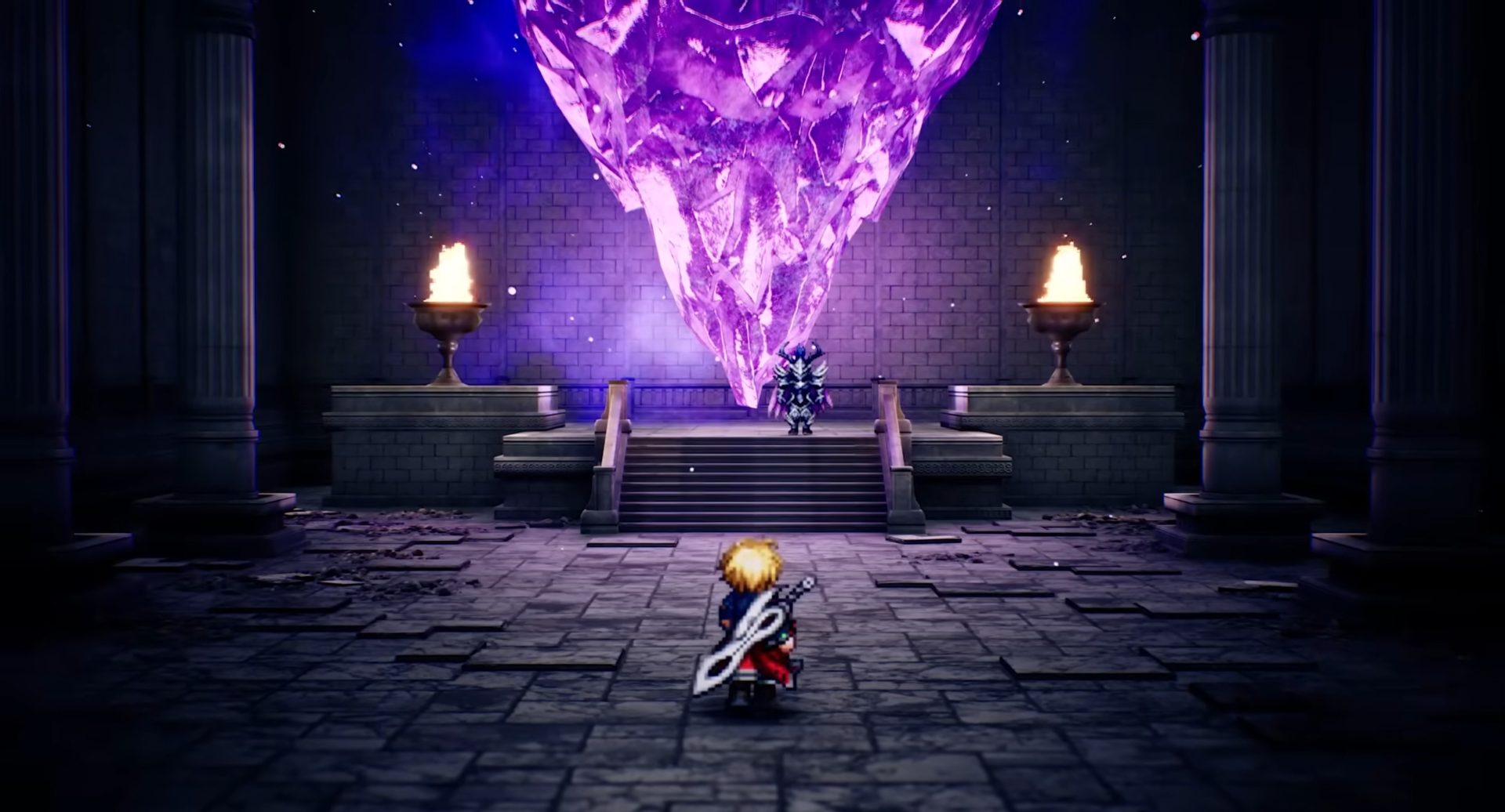
But the heart of High on Life 2 is undeniably strong. The story unfolds through a series of bizarre, one-off contracts, each with its own twist. One mission turns into a murder mystery aboard a cruise ship, complete with suspects, clues, and a handwritten note system embedded in your UI. Another drops you into a bioluminescent cave where the real threat isn’t the enemies but the sheer amount of glowing goop. These aren’t just set pieces; they’re moments, the kind of creativity that makes games like Double Fine’s titles or Nintendo’s experiments feel alive.

The movement system—replacing traditional sprinting with a skateboard—is a mixed bag. The idea of dodging bullets while grinding rails is fun in theory, but the Outlaw’s top speed never feels thrilling. There are upgrades (air dashes, better handling), but the skateboard never evolves beyond its Bioshock Infinite-inspired rails. And while the Gatlian weapons are a visual feast—each with its own quirky animations and secondary abilities—they rarely feel necessary. On the hardest difficulty, I never once felt pressured to use anything beyond my favorite pistol, and the infinite ammo system turns weapon variety into a guilt trip rather than a tactical choice.
Still, the game’s strengths outweigh its stumbles. High on Life 2 is a rare singleplayer FPS that doesn’t just tell a story—it performs one. The hub city is a hub of weirdness, filled with side quests and upgrades, but the real draw is the galactic tour of oddballs and bizarre environments. It’s a game that doesn’t just want to be remembered; it wants to be noticed.
And for all its flaws—buggy launch, clunky movement, occasional readability issues—it’s a game that refuses to be anything less than what it is: a brutal, unapologetic, and occasionally brilliant middle finger to the genre’s stagnation.
- Release date: February 13, 2026
- Price: $60
- Developer/Publisher: Squanch Games
- Multiplayer: None
- Steam Deck: Untested
- Reviewed on: RTX 5090, Ryzen 7 9800X3D (4.7 GHz), 32GB RAM
- Recommended specs: RTX 4080, i7-13700KF, 32GB RAM
- Resolution: 1440p (playable, but not optimal)
- Performance: ~90 FPS at high settings (varies by level)
- Engine: Unreal 5
- Playtime: ~10–12 hours
The technical rough edges are undeniable, but they don’t erase the fact that High on Life 2 is a game that means something. It’s not just another shooter; it’s a middle finger to the status quo, wrapped in a package that’s as messy as it is memorable. Whether it can outrun its bugs remains to be seen—but as a statement piece, it’s already a success.