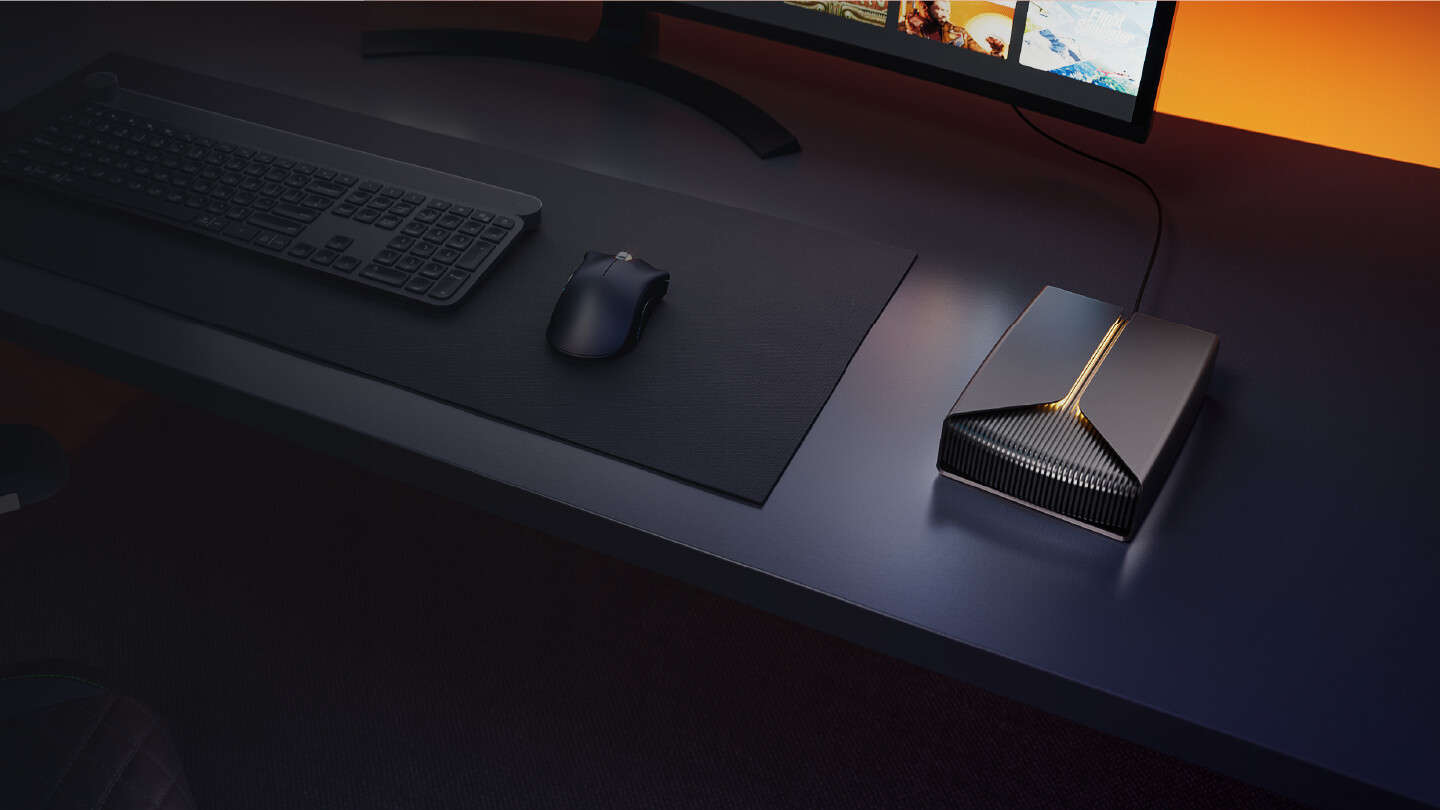
For years, gamers have settled for the limitations of onboard audio, trading depth and clarity for convenience. That may be about to change with the arrival of the Fosi Audio C3, an external sound card that combines a high-end DAC and headphone amplifier into a single, desk-friendly unit. Unlike traditional sound cards that require internal installation, the C3 plugs into a USB port and delivers what Fosi claims is a transformative audio experience—one that rivals dedicated audio interfaces but at a fraction of the cost.
The C3 isn’t just about raw performance, though. It integrates AI-driven DSP effects, allowing users to tweak EQ settings, apply virtual surround sound, or even simulate different acoustic environments with the push of a button. Physical controls on the device itself mean no software fiddling—just instant adjustments for volume, bass, and treble. This level of tactile interaction is rare in consumer audio hardware, and it’s a feature that could appeal to gamers who value immediacy over complexity.
The Case for External Audio
Most modern motherboards come equipped with audio solutions that, while functional, often lack the refinement of standalone components. Fosi’s approach flips the script by externalizing the critical audio processing—DAC (digital-to-analog conversion) and headphone amplification—into a compact, portable unit. The result is cleaner signal paths, reduced interference, and the ability to use high-end headphones without the distortion that can plague onboard audio.
The C3’s target audience isn’t just audiophiles or professionals; it’s aimed squarely at PC gamers who have grown tired of the compromises inherent in onboard audio. Whether it’s the muddiness of bass in competitive shooters or the lack of immersive spatial audio in open-world games, the C3 promises to address these pain points with hardware that’s both powerful and accessible.
What’s Under the Hood
While exact technical specifications haven’t been disclosed in detail, Fosi has emphasized the use of premium components in the C3’s design. This includes a high-resolution DAC and a headphone amplifier capable of delivering clean, distortion-free sound across a wide range of impedances. The inclusion of AI-powered DSP effects suggests a focus on adaptability—users can fine-tune their audio experience on the fly, whether they’re gaming, streaming, or listening to music.

Physical controls are a standout feature, allowing gamers to adjust settings without diving into software menus. This hands-on approach is particularly useful in fast-paced gaming scenarios where every second counts. The device’s compact form factor also means it won’t clutter a desk, making it a practical addition to any setup.
The Catch: Is It Worth the Upgrade?
For most users, onboard audio is more than sufficient for casual listening or basic gaming. The real question is whether the C3’s performance justifies the upgrade for those willing to invest in external audio. Early indications suggest that Fosi is targeting a niche market—gamers who demand precision and clarity but aren’t ready to commit to high-end audio interfaces.
One potential drawback is the lack of detailed benchmarks or side-by-side comparisons with competing solutions. Without concrete data, it’s difficult to gauge how the C3 stacks up against other external sound cards or even high-end onboard audio solutions. That said, Fosi’s reputation for delivering high-quality audio hardware gives the C3 a strong starting point.
A Giveaway That Reflects Its Ambitions
The launch of the C3 is being accompanied by a limited-time giveaway, offering 10 units to readers. While this is a marketing tactic, it also underscores Fosi’s confidence in the product’s appeal. The giveaway runs until February 21, 2026, and participation is open to anyone willing to submit a short form. Whether this is a genuine test of demand or simply a way to generate buzz remains to be seen—but the C3’s existence signals a growing trend in external audio solutions.
For now, the C3 represents a bold step forward for Fosi Audio, blending cutting-edge technology with user-friendly design. If it delivers on its promises, it could redefine what gamers expect from their audio setups—one USB port at a time.