Deploying AI infrastructure at scale has always been a gamble: months of integration work, costly hardware delays, and the constant fear that something critical will fail on day one. NVIDIA’s DSX Air aims to eliminate that uncertainty by letting organizations build, test, and validate their entire AI factory in simulation—before any physical server is unboxed.
The platform, part of NVIDIA’s DSX Sim suite, creates a high-fidelity digital twin of an AI factory’s compute, networking, storage, orchestration, and security layers. It integrates with partner solutions for storage, routing, security, and orchestration through open APIs, allowing vendors to validate their offerings alongside NVIDIA’s hardware—GPUs, SuperNICs, DPUs, and switches—in a single environment.
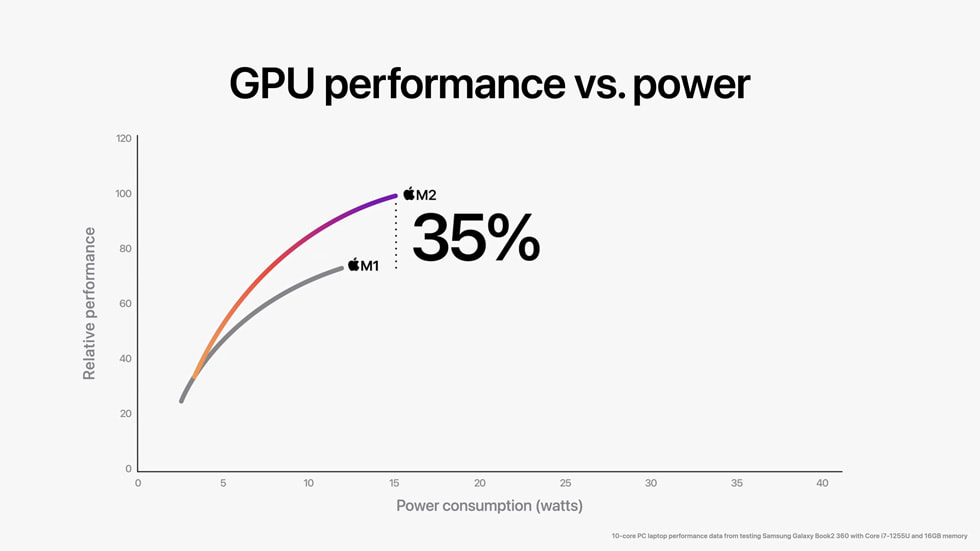
For IT teams, the implication is clear: if simulation can mirror the complexity of a hyperscale AI factory as effectively as it mirrors a laptop setup, the traditional deployment timeline could collapse. Instead of weeks or months to first token, organizations are now looking at days—or even hours—saving significant time and cost.
Why Simulation Matters Now
The shift toward simulation isn’t just about speed; it’s about reducing risk. AI factories rarely follow rigid designs. Custom configurations, bespoke workflows, and the need for seamless integration across vendors make physical testing expensive and time-consuming. DSX Air changes that by allowing server manufacturers, orchestration providers, storage vendors, and security partners to test their solutions in a digital replica of the production environment.
Partner Ecosystem Benefits
- Server Manufacturers: Can model reference architectures without physical labs, tailoring digital twins to customer needs and validating software stacks before hardware is deployed.
- Orchestration Vendors: Test multi-tenant environments at scale, such as a simulated RTX PRO Server setup with Netris for network orchestration and Rafay for host orchestration.
- Data Platforms: Validate AI workflows end-to-end, like VAST’s video retrieval-augmented generation workload, without requiring physical clusters.
- Security Partners: Test multi-tenant policies, DPU-accelerated isolation, and threat detection in a realistic environment, such as Check Point’s distributed firewall on simulated BlueField DPUs.
The platform’s ability to unify NVIDIA infrastructure with partner technologies in one scalable simulation is already reshaping workflows. Partners report that DSX Air provides a cost-effective way to validate solutions together, reducing the need for expensive physical testing.
A New Operational Model
DSX Air introduces a simulation-first operational model that extends beyond deployment. Organizations can
- Build their intended production environment entirely in simulation on day one, configuring networking, compute, storage, orchestration, and security exactly as planned.
- Validate the entire stack end-to-end before hardware arrives, reducing the likelihood of day-one failures.
- Use long-lived simulations for change management—testing upgrades, patches, and maintenance windows without impacting production.
This approach maximizes uptime and ensures infrastructure availability by applying changes only after they’ve been validated in simulation. For IT teams managing AI factories at scale, the potential to rehearse operational changes safely could be as valuable as the initial deployment acceleration.
What Remains Unclear
While DSX Air’s capabilities are impressive, questions linger about its scalability and long-term adoption. Can it handle the complexity of hyperscale AI factories without performance bottlenecks? How will pricing models evolve for different enterprise sizes? And as simulation becomes more critical, will organizations need to invest in new skill sets or tools to maximize its benefits?
For now, DSX Air represents a significant leap forward in AI infrastructure deployment. It’s not just about speed—it’s about redefining how AI factories are built, tested, and operated. The next step is proving that simulation can scale with the demands of real-world AI workloads.