DRAM prices have crossed the threshold of 100% increases, with Samsung leading the charge on a new round of price hikes that could reshape the memory market for months to come. This latest surge, following a 70% jump earlier in the year, underscores a supply-demand imbalance that shows no signs of resolving quickly.
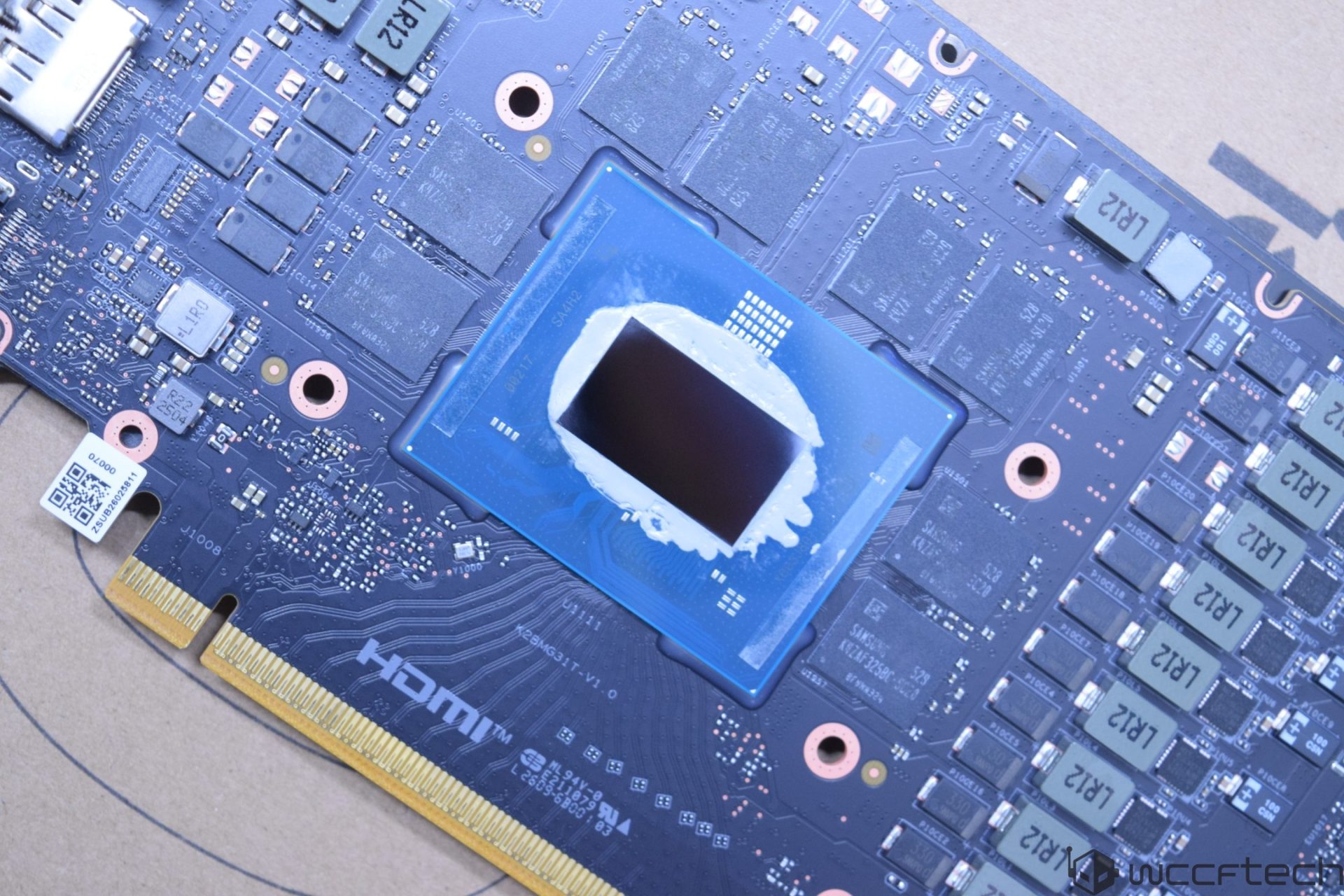
The move is part of a broader trend where manufacturers are abandoning annual contracts in favor of quarterly—or even monthly—agreements to adapt to surging demand. While AI-driven server deployments remain the primary driver, the ripple effects are already being felt across consumer hardware, from high-end GPUs to enterprise storage systems.

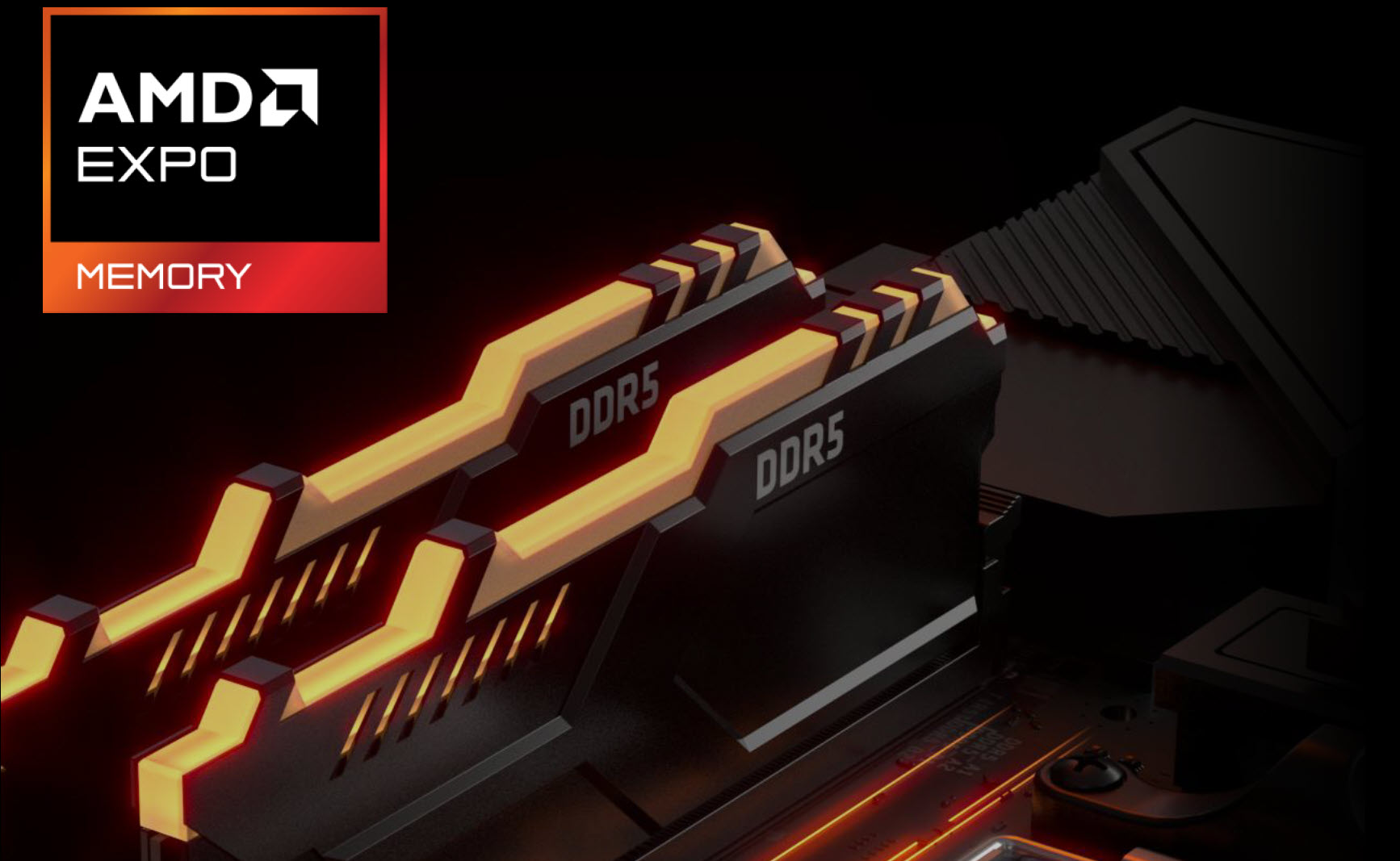
- Memory Specs:
- DDR5 standard
- 32 GB capacity (per kit)
- 6000 MHz clock speed
A 32 GB DDR5 kit operating at 6000 MHz, already a premium offering, could soon become a more expensive proposition for buyers. The shift to quarterly pricing contracts reflects the market’s inability to stabilize supply, leaving manufacturers and customers alike in a period of uncertainty. For enterprises, this means tighter budgeting for memory-intensive workloads, while consumers face higher prices for everything from gaming rigs to data-center infrastructure.
The question now is whether other DRAM suppliers will follow suit—or if Samsung’s move is an outlier that could trigger further price adjustments in the coming weeks. With no clear end in sight, the memory market appears locked in a cycle of escalating costs that may stretch well into 2025.