Five seconds to full power—it sounds like a trick, yet it’s now standard for office mice and keyboards. Dell’s latest UltraPortable series does exactly that: charges from zero to 100 percent in under five minutes while promising up to two days of use. But the timeline is less about speed than about how these devices reshape daily routines.
Users may assume faster charging means smaller batteries or shorter runtime. That’s not the case here. Dell claims both products maintain a full day of operation on a single charge, even after rapid top-ups. The trade-off isn’t battery life; it’s convenience. For professionals who juggle multiple devices or work across locations, five-minute bursts at lunch or between meetings can eliminate dead-battery anxiety without sacrificing endurance.
What’s Changing Under the Hood
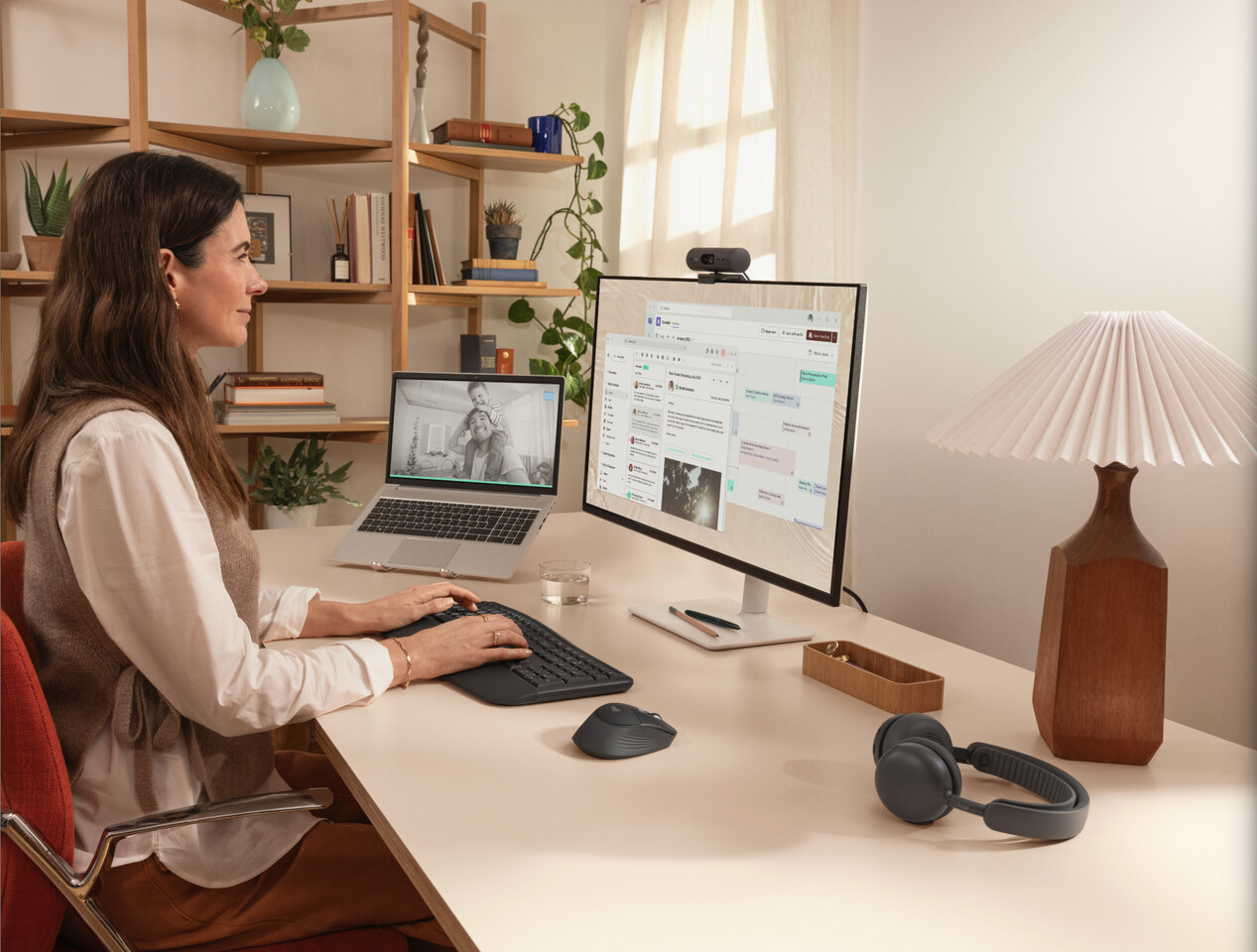
The shift isn’t just in charging speed but in how these peripherals adapt to modern workflows. The mouse and keyboard share a unified design language—slim profiles, matte finishes, and a central power button that doubles as a status indicator. But the real innovation lies in connectivity.
- Wireless Flexibility: Both support Bluetooth 5.3 and USB-C (with optional dongle), allowing seamless switching between laptops, desktops, or even tablets without re-pairing.
- Battery Efficiency: A low-power mode kicks in when the device is idle, extending runtime while maintaining responsiveness.
The keyboard includes a dedicated media bar and backlighting that adapts to ambient light, while the mouse features an ergonomic design with customizable button mapping—useful for developers or designers who rely on shortcuts. Neither product skips essentials: USB-C ports (for power and data), omnidirectional scrolling, and a 1080p resolution sensor that feels snappy without lag.

Market Implications
The timing couldn’t be more strategic. As hybrid work becomes the norm, peripherals that sync effortlessly across devices are in demand. Dell’s bet is on speed—not just of charging, but of adoption. The challenge for competitors will be matching this balance: rapid recharge without sacrificing battery life or build quality.
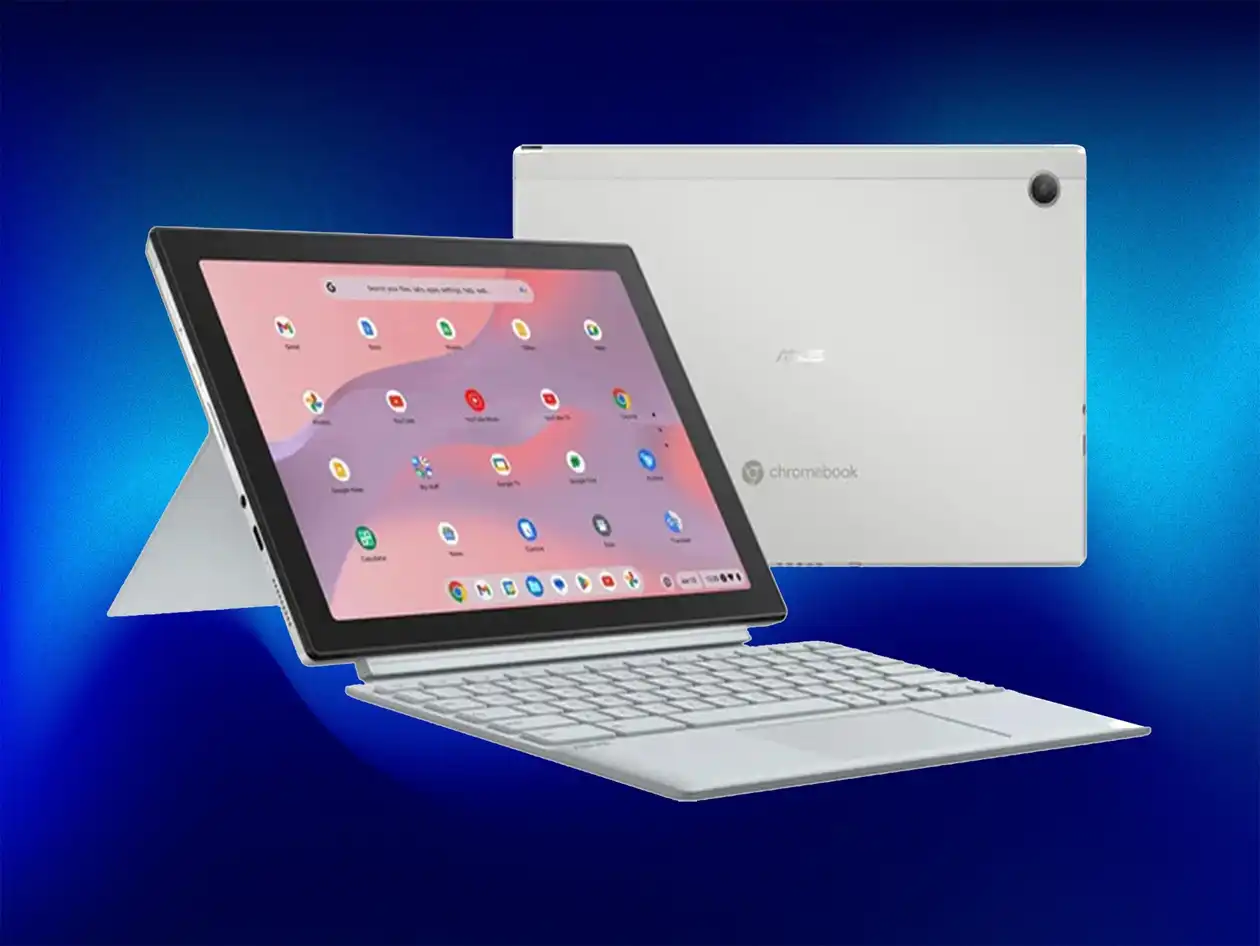
For enterprises, the practical impact is clear. IT departments can standardize on a single peripheral line that works across Windows, macOS, and Chrome OS, reducing compatibility headaches. And with price points aligned to mid-range business hardware, the barrier to entry is low.
Where Things Stand Now
The UltraPortable series isn’t a revolution—it’s an evolution. It proves that charging speed can be blindingly fast without compromising runtime or features. For users, the difference is in the small moments: no more frantically searching for a charger mid-meeting, no more sacrificing battery life for convenience. The market will judge whether this becomes the new baseline or just another flash in the pan.