CachyOS, a high-performance Arch-based Linux distribution favored by gamers, has chosen not to participate in the Open Gaming Collective (OGC), a collaborative effort among several Linux gaming distros. The decision stems from concerns over bureaucratic hurdles and a perceived misalignment with the distro’s focus on desktop optimization.
The collective, which includes distros like Bazzite and Nobara Linux, aims to streamline development efforts and improve integration across the Linux gaming ecosystem. However, CachyOS founder Peter Jung—known online as ptr1337—has expressed skepticism about the initiative’s structure. In discussions on Reddit, Jung noted that the collective’s formation appeared rushed, particularly in response to technical challenges faced by Bazzite, such as kernel maintenance issues.
Jung also highlighted concerns about potential bureaucratic inefficiencies, suggesting that the collective’s governance could create unnecessary obstacles. Additionally, the distro’s developer has distanced CachyOS from Playtron, another OGC member, citing past controversies surrounding the company’s integration of cryptocurrency features and questionable business practices, including a non-refundable deposit requirement for its handheld device.
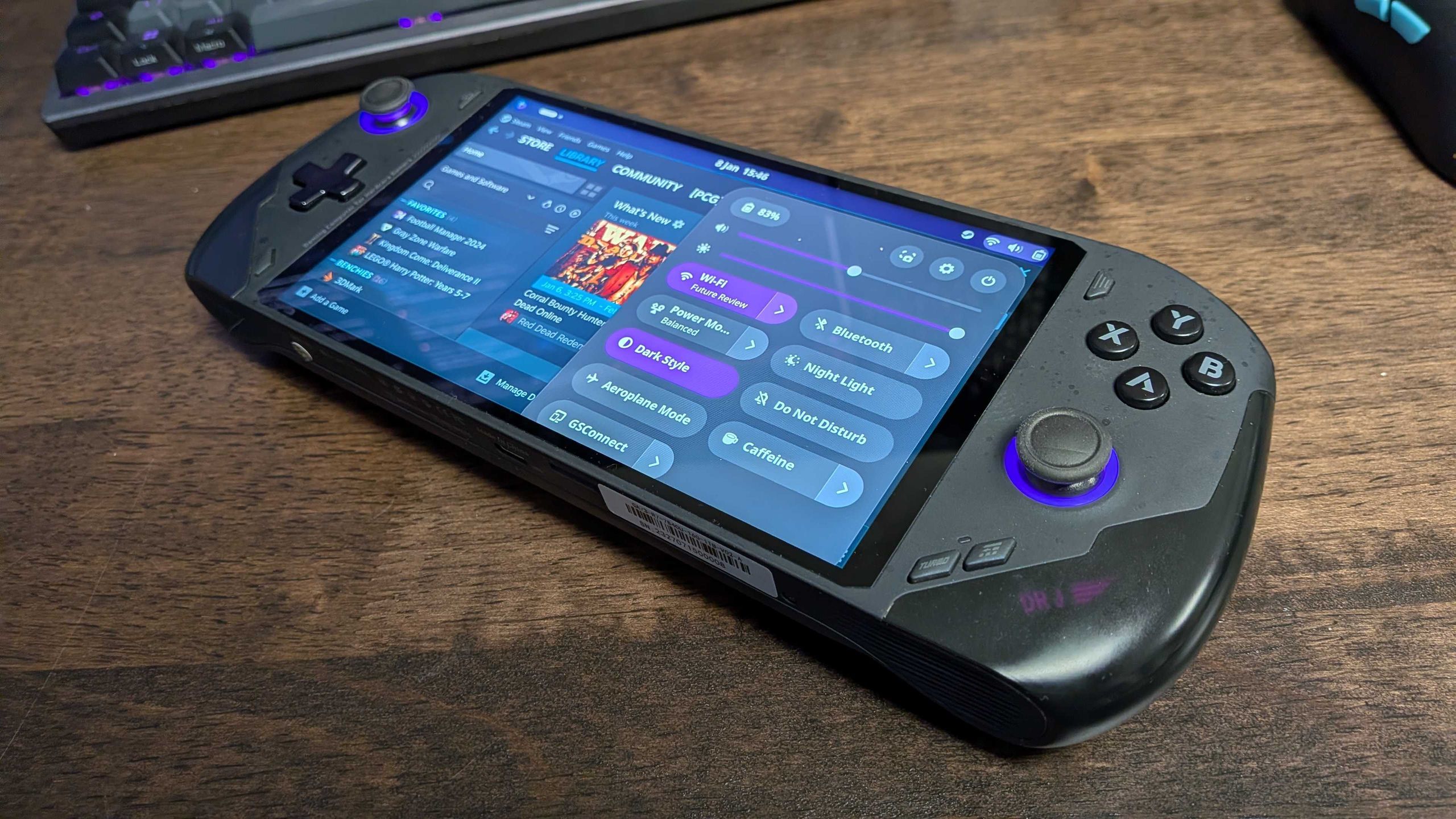
Despite the opt-out, CachyOS maintains strong collaborative ties with other projects. The distro has worked closely with ChimeraOS and Asus-Linux for over a year, with contributions from developers like Inputplumber. Jung emphasized that such partnerships already provide the benefits the OGC promises, without the need for a centralized collective.
The OGC’s shared kernel development—a key initiative—remains in review for potential inclusion in the mainstream Linux kernel. While the collective includes both handheld-focused distros and desktop-oriented projects like Nobara, CachyOS’s decision underscores a broader debate about the necessity of large-scale collaboration in open-source gaming.
For gamers, CachyOS’s continued independence may mean fewer standardized integrations but could also signal a focus on maintaining its signature performance and flexibility. The distro’s handheld edition, though not a primary focus, has already contributed to collaborative testing efforts, proving its commitment to the broader Linux gaming community—just not through the OGC framework.