The BotsLab W510 System’s appeal for IT teams lies in its ability to deliver four 4K outdoor cameras with local storage and solar-powered operation—all without recurring cloud fees. However, the system’s wireless limitations and administrative hurdles could render it impractical for anything beyond the smallest of deployments.
The most immediate obstacle for administrators is the system’s reliance on 2.4GHz Wi-Fi, which severely restricts camera placement. Even when positioned within 20 feet of the base station, the cameras frequently dropped connections or degraded to low-resolution mode. This instability becomes untenable in environments requiring coverage beyond a single room or small property. The base station’s ethernet requirement mitigates some wireless strain, but the cameras’ inability to maintain stable connections beyond 60 feet forces IT teams to either hardwire each camera—an impractical solution—or accept compromised performance.
Deployment logistics are further complicated by the system’s design. The base station must be configured first, a process hindered by the app’s inability to reliably scan QR codes during initial setup. Once operational, the system offers some flexibility—such as adjustable recording intervals and solar panel optimization—but these features are locked behind a convoluted setup workflow that requires re-entering configurations to access basic controls. This lack of persistent settings access introduces unnecessary friction for admins managing multiple cameras.
The 10,000mAh battery in each camera, while robust for off-grid operation, adds significant weight (1.75 pounds per unit) and requires careful mounting. Solar panels can extend battery life, but their effectiveness depends on optimal placement—a manual process that may not align with IT-driven standardization. The cameras themselves are IP66-rated, ensuring durability in harsh conditions, but their size (8 inches tall by 4 inches wide) and fixed mounting constraints limit flexibility in high-security or multi-environment deployments.
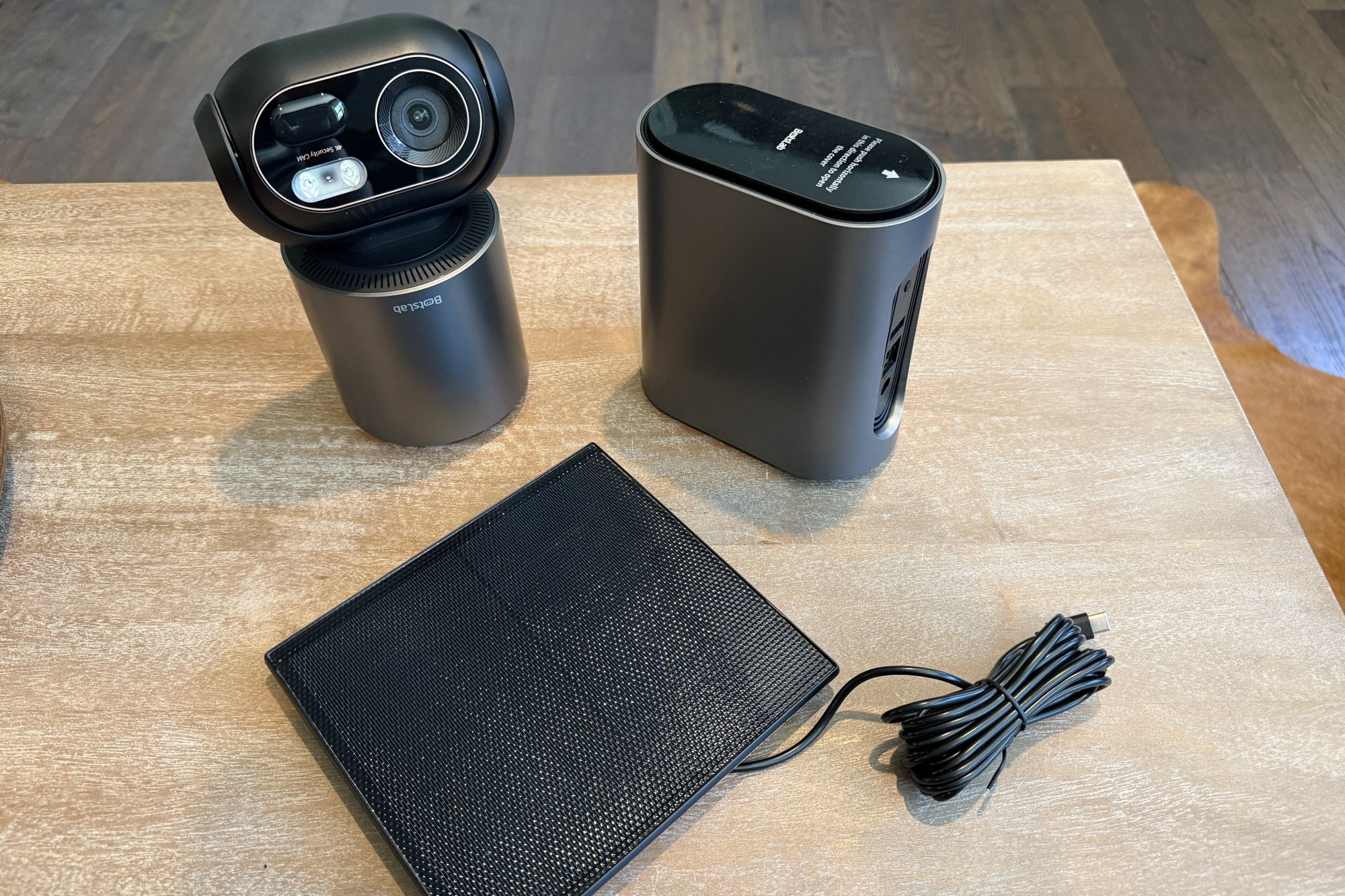
Local storage is a standout feature, with the base station supporting up to 16TB via a user-supplied 2.5-inch hard drive. However, the system lacks clear documentation on drive compatibility, and SSDs are explicitly discouraged due to write-cycle limitations. This oversight could lead to storage failures if admins assume SSD reliability. Recording management is also fragmented: clip lengths and cooldown periods must be set during initial configuration and cannot be adjusted later without restarting the process—a design flaw that contradicts enterprise-grade usability.
The app’s poor translation and fragmented feature access compound these issues. AI-driven tools, such as text-based search and pet detection, are not pre-installed and must be manually enabled per camera, a process that consumes excessive time in large deployments. Some AI features, like cross-camera tracking, fail entirely, redirecting users to promotional pages instead of functional interfaces. Ads embedded within the app further degrade the user experience, detracting from its professional appeal.
For IT teams weighing the W510 System, the $399 price tag is secondary to its operational limitations. While the 4K resolution and solar-powered batteries are compelling, the wireless instability and administrative inefficiencies create a system that is difficult to scale. Smaller properties or single-camera setups might tolerate these flaws, but large-scale or high-security deployments would likely require alternative solutions with more reliable wireless performance and streamlined management tools.
The W510 System’s strengths—high-resolution video, local storage, and solar compatibility—are overshadowed by its deployment challenges. Until these issues are addressed, its practical use cases remain confined to narrow scenarios where proximity to the base station is guaranteed and administrative overhead is minimal.